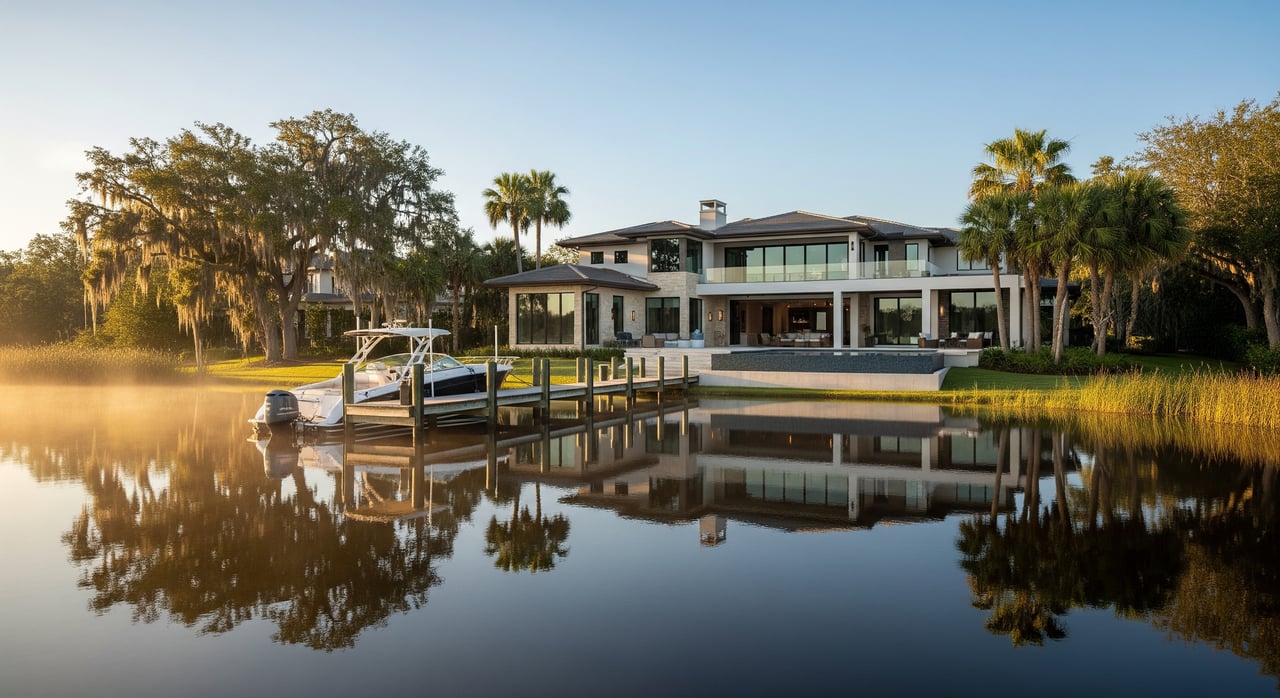
If you picture mornings on glassy water, afternoons cruising past Bird Island, and sunset views from your own dock, buying a Windermere lakefront estate can make that vision real. You also know it is not a typical home purchase. Lake selection, dock rights, canal depth, permits, and insurance all shape value and lifestyle here. This orientation gives you a clear roadmap so you can move from curiosity to confident action. Let’s dive in.
Butler Chain basics
Windermere’s luxury waterfront market centers on the Butler Chain of Lakes, a spring‑fed system recognized for high water quality and special protection. The chain includes major lakes like Lake Butler, Lake Tibet, Lake Down, Lake Isleworth, Lake Sheen, Lake Louise, Lake Chase, Wauseon Bay, Pocket Lake, and Little Fish Lake. You can explore an overview and maps of the system on the county’s Water Atlas, which highlights its Outstanding Florida Waters status and canal network on the Butler Chain page.
Governance and on‑water rules are coordinated by Orange County and the Windermere Water & Navigation Control District, with enforcement support often referred to locally as the Butler Patrol. If you plan shoreline work or have a question about navigation or markers, start with the district’s guidance and Orange County contacts listed on the WWNCD information page.
Match your lifestyle to the lake
Not every lake feels the same. Lake Butler and Lake Tibet offer the biggest water and widest views, which suits water‑skiing and larger boats. Quieter coves and smaller lakes, including portions of Lake Down, Pocket Lake, and Little Fish Lake, favor kayaking, casual fishing, and privacy.
Connectivity also plays a role. Many lakes link by narrow, shallow, no‑wake canals. If you plan to keep a tall center console or a wake boat with a tower, verify canal depths and bridge clearances from your dock to open water before you buy. Limited public ramps, notably R.D. Keene Park on Lake Isleworth and a Lake Down launch, mean private or deeded dock access adds daily convenience and long‑term value. You can confirm public launch details and parking rules on the R.D. Keene Park listing.
Estate and lot features to expect
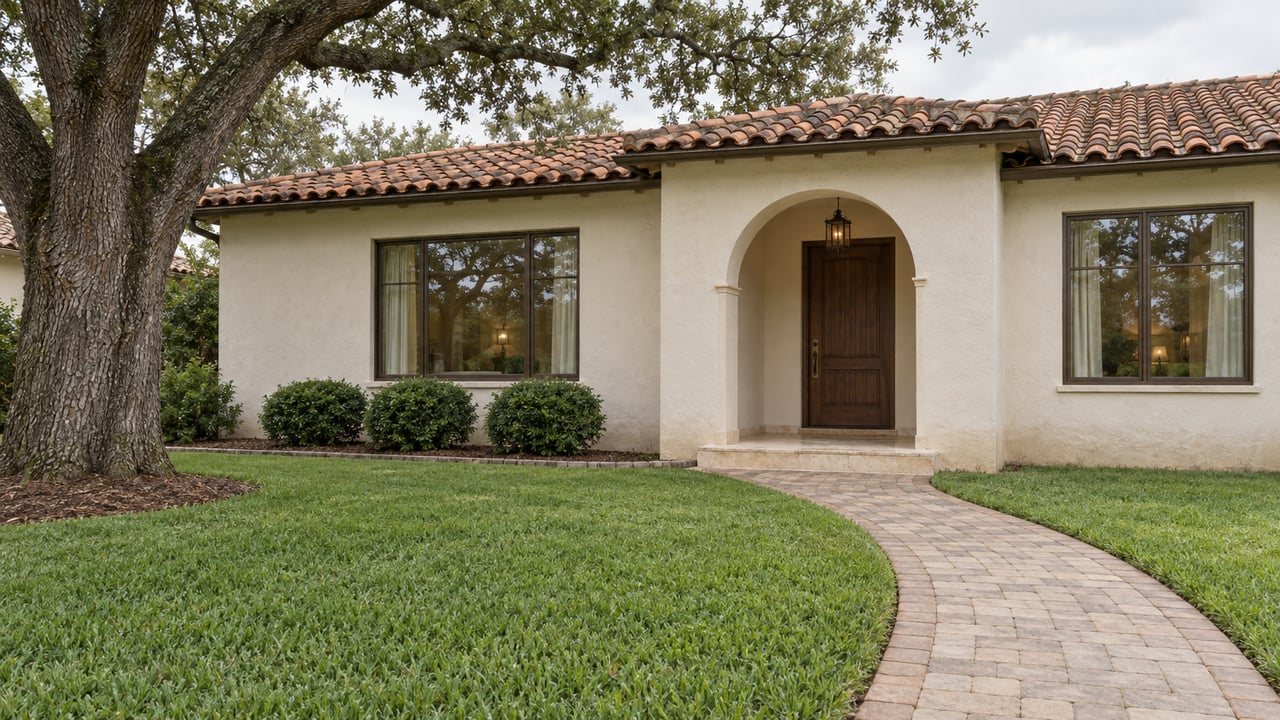
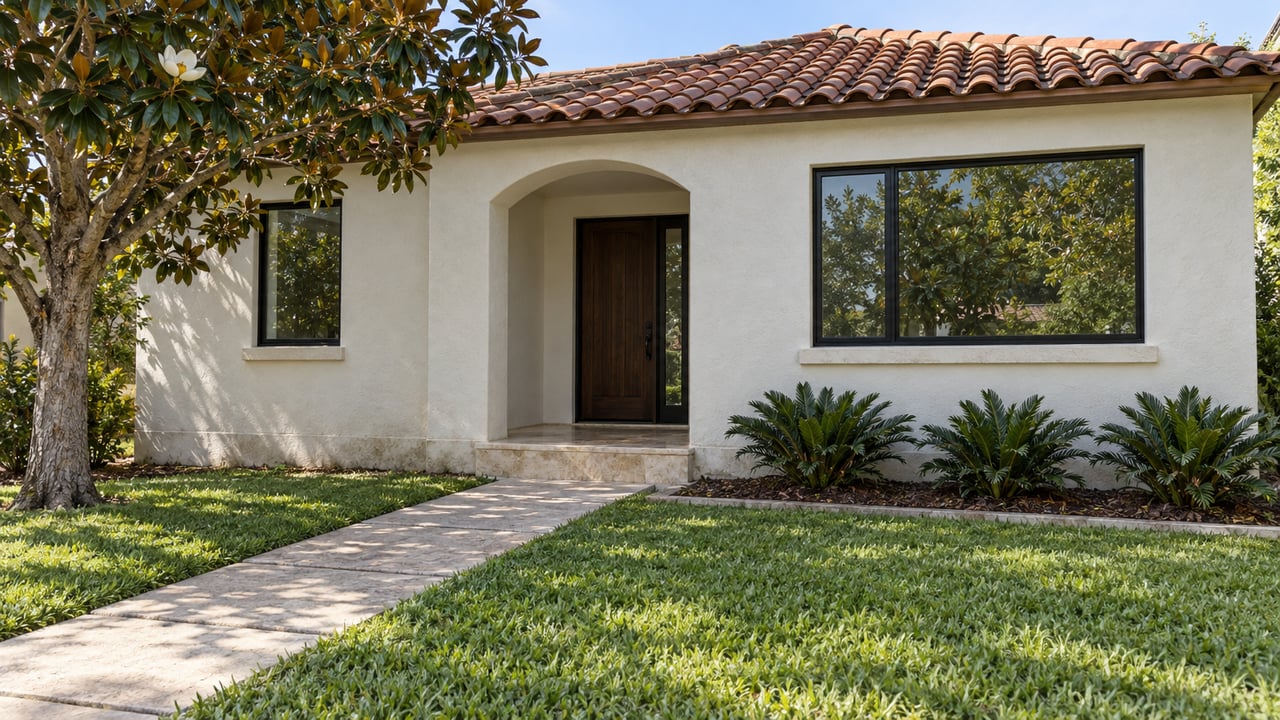
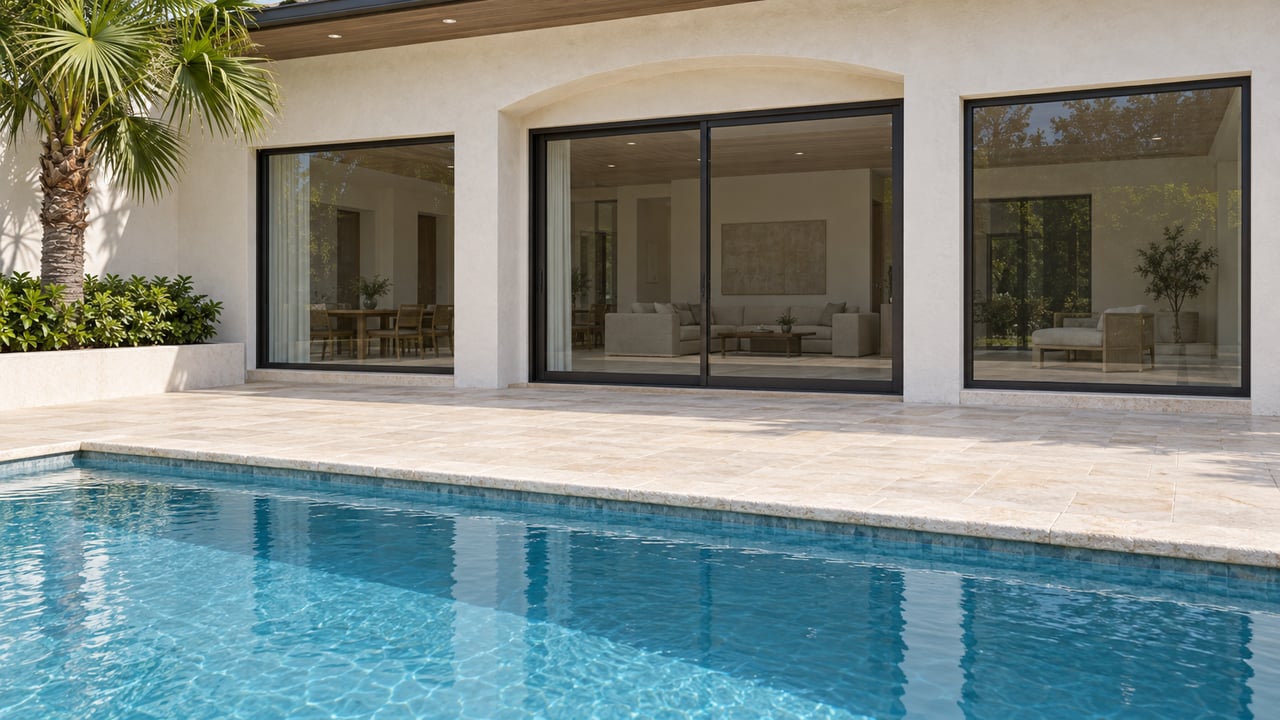
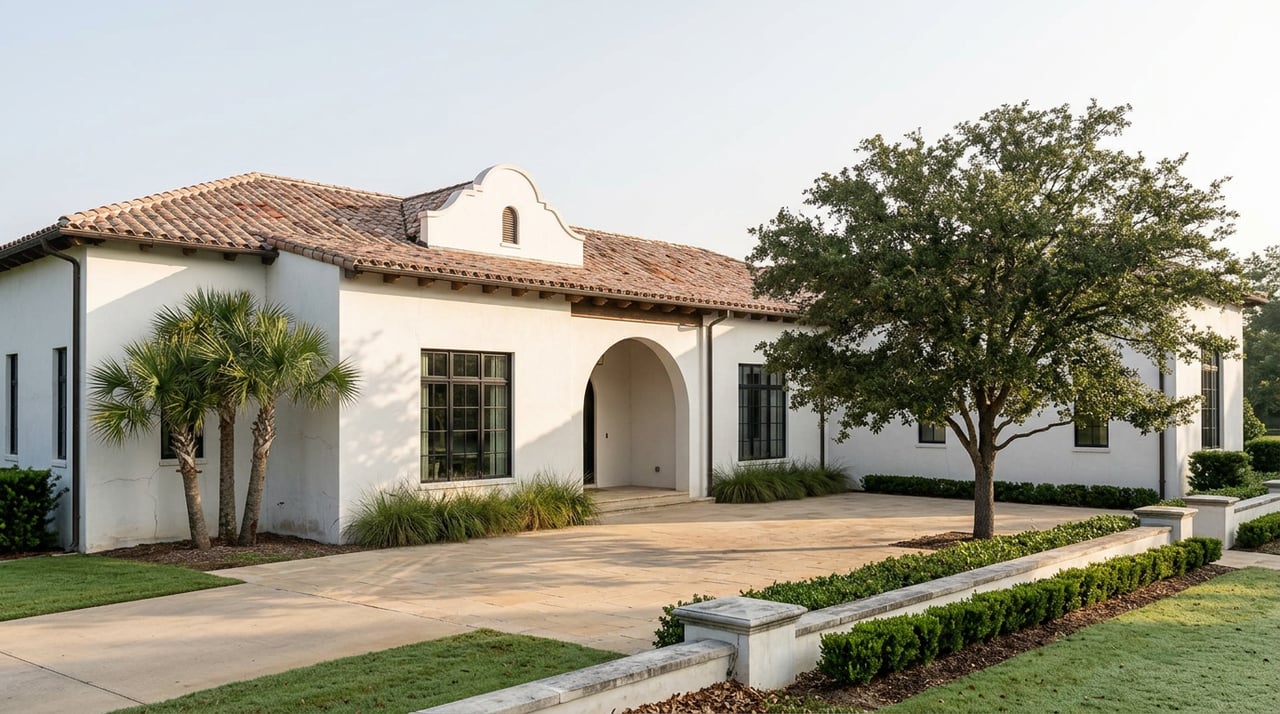
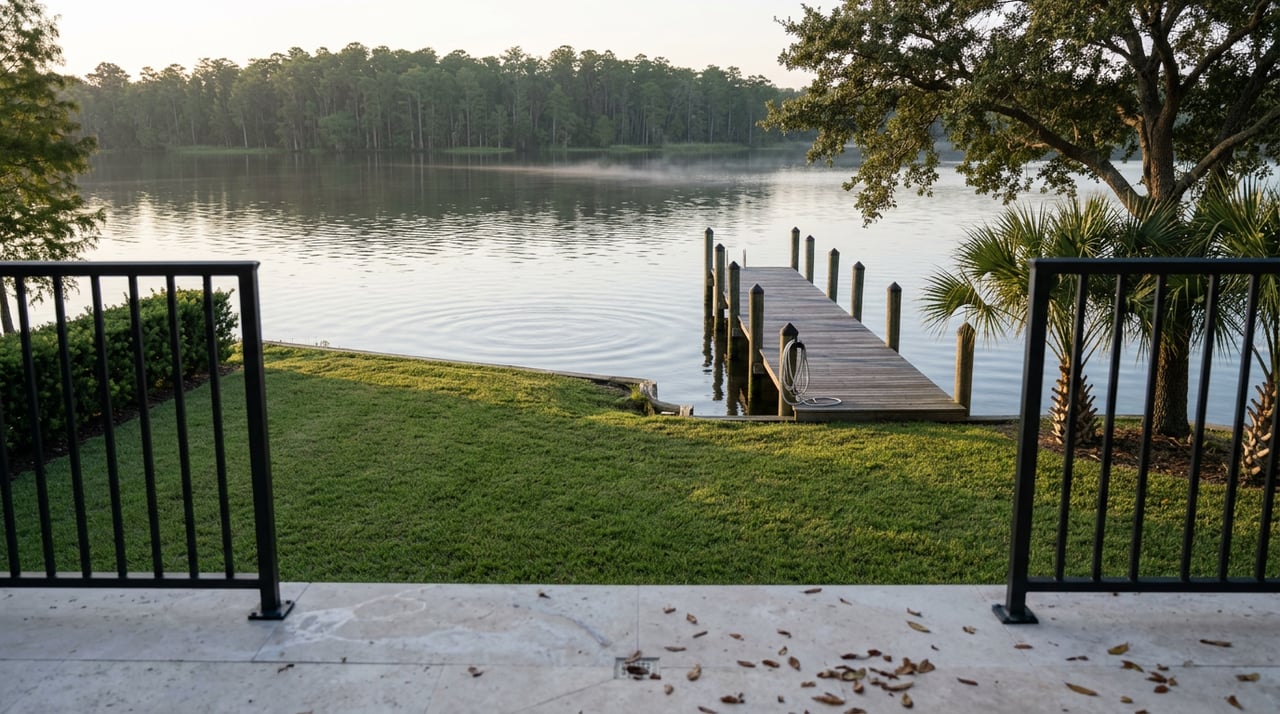
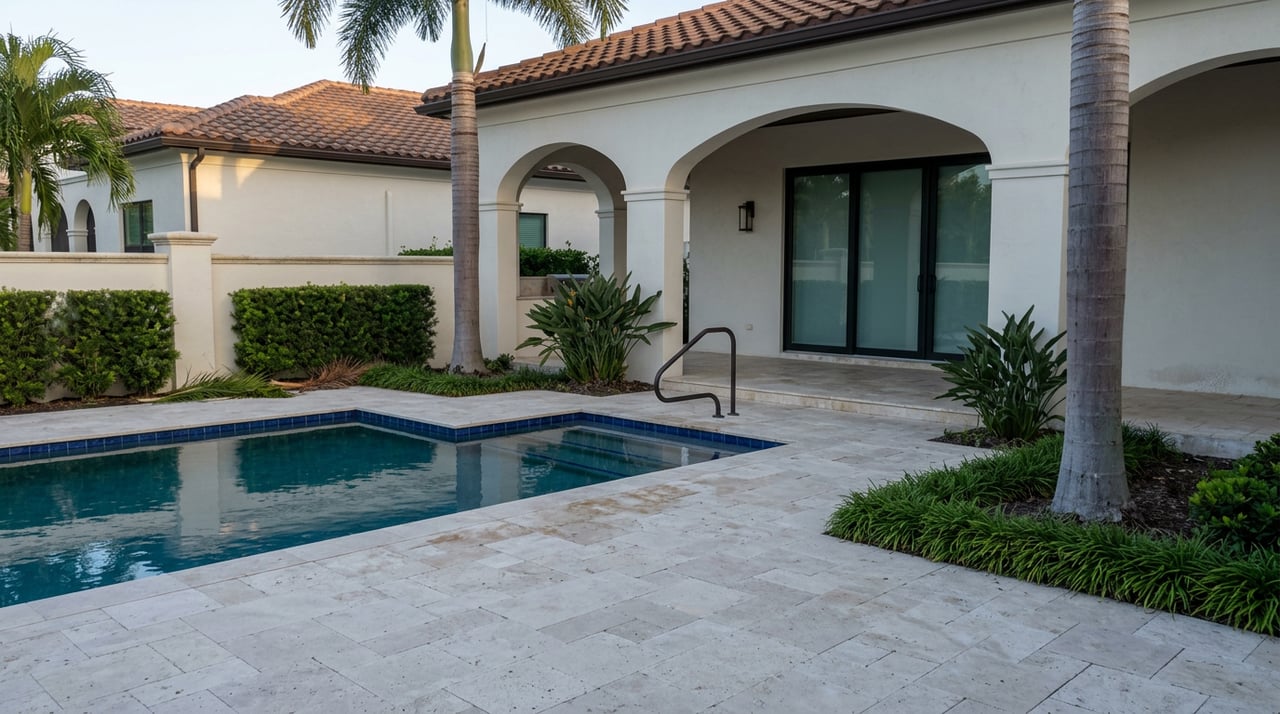
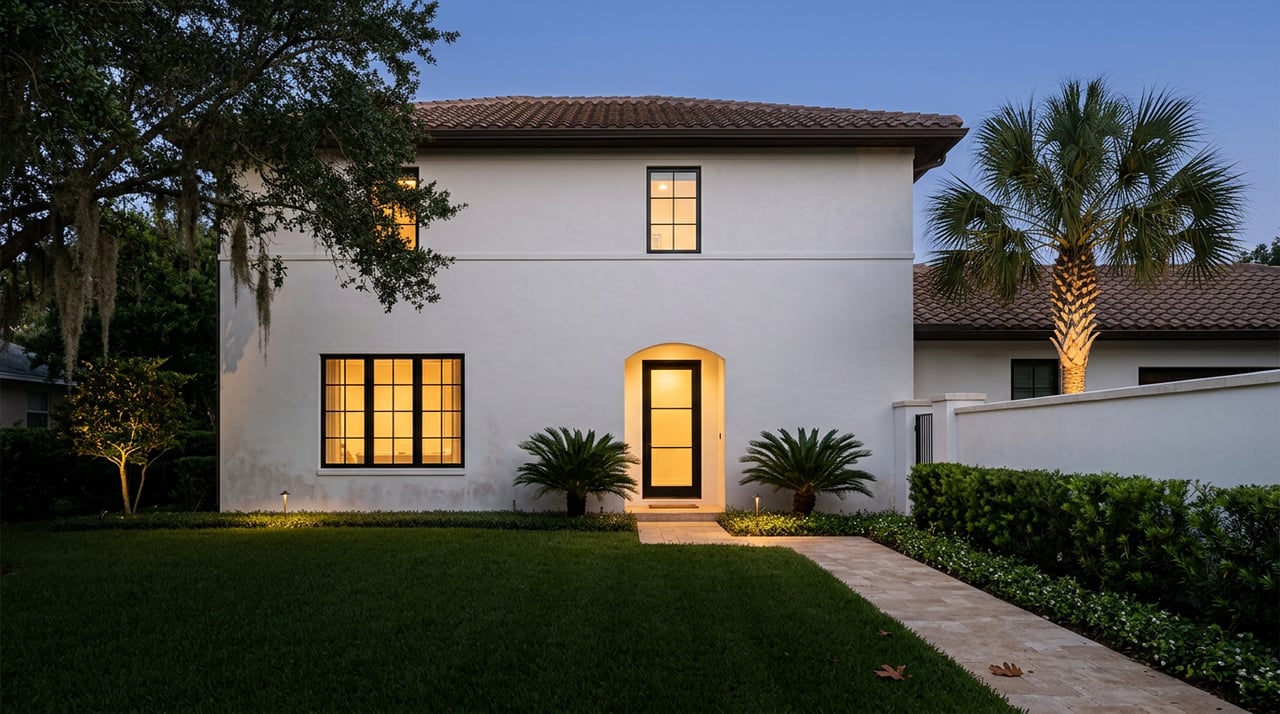
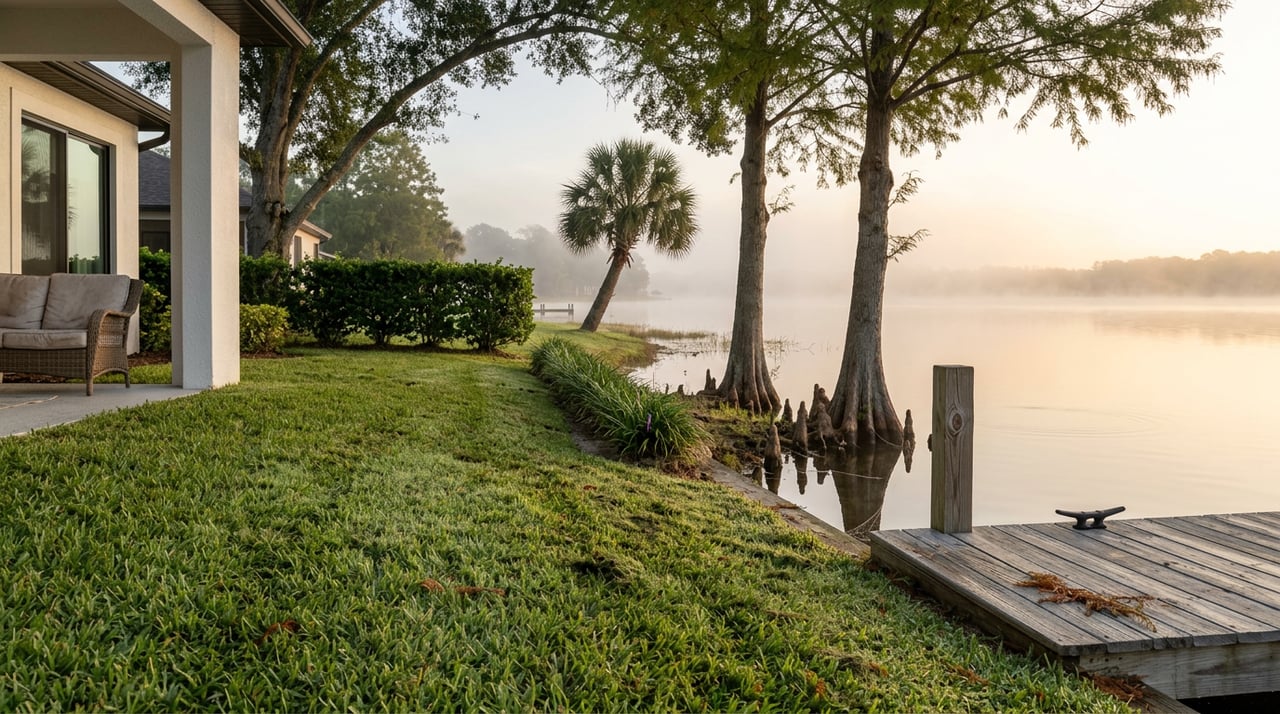
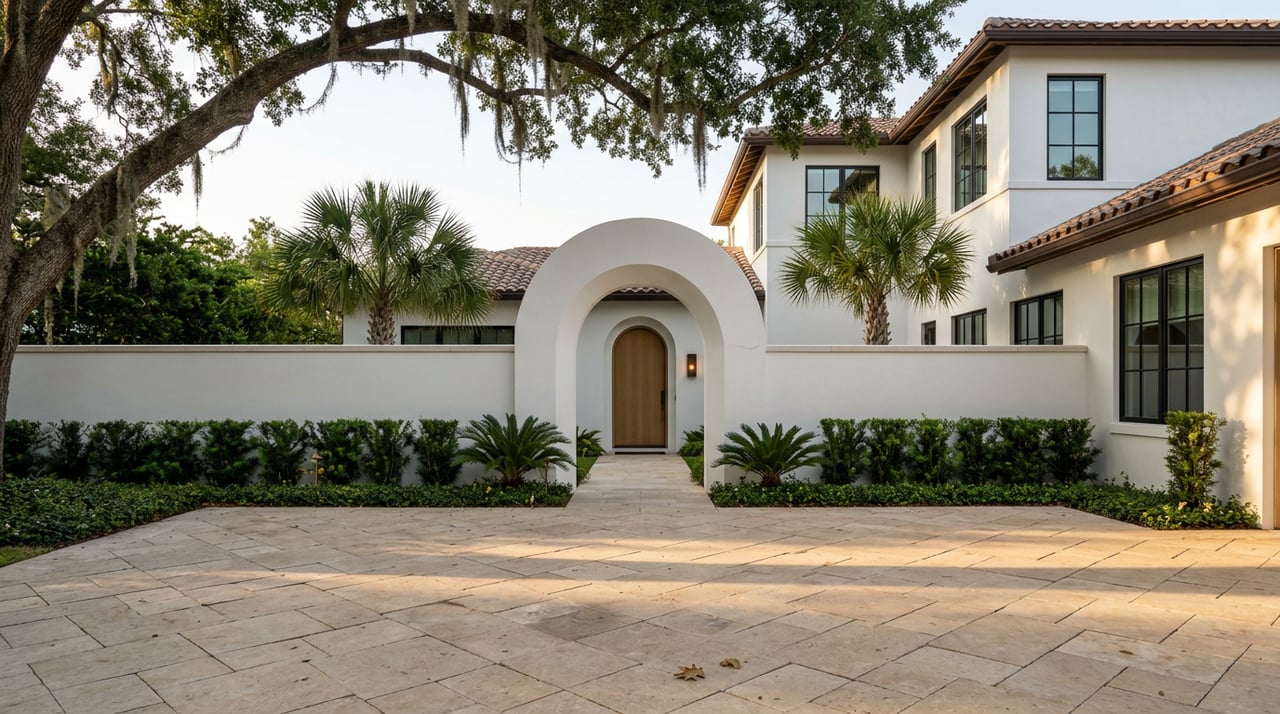
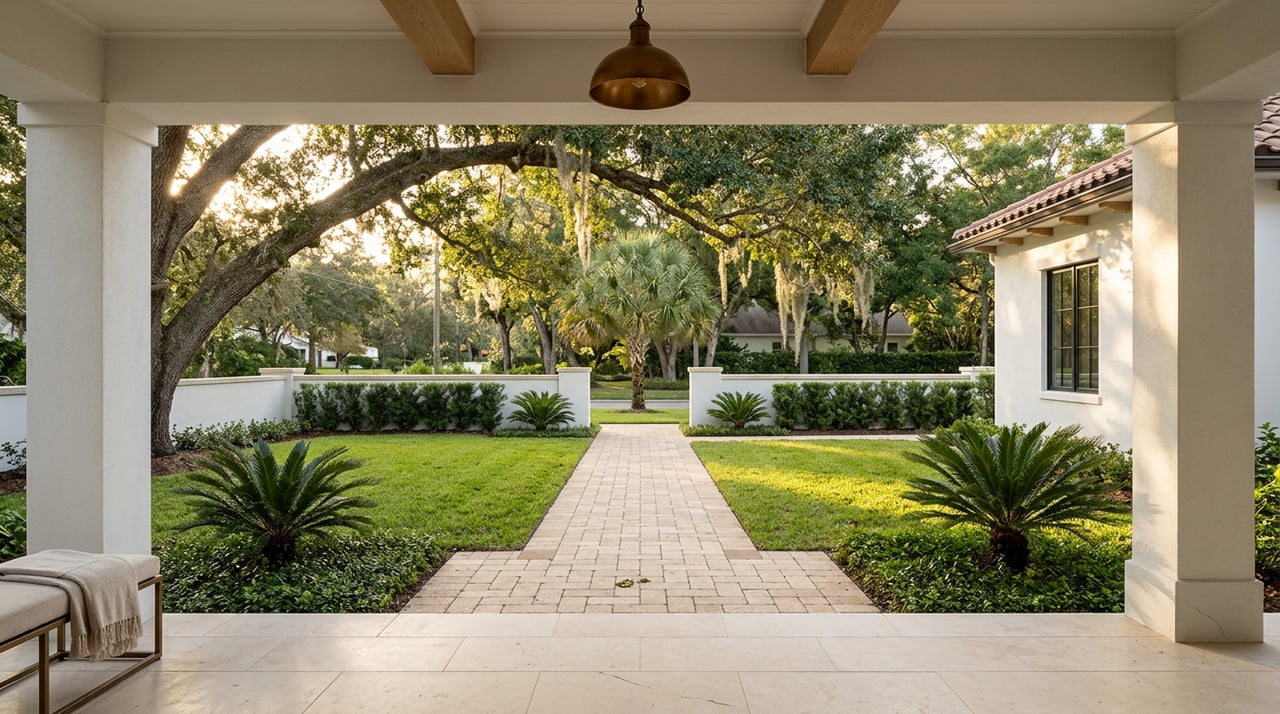
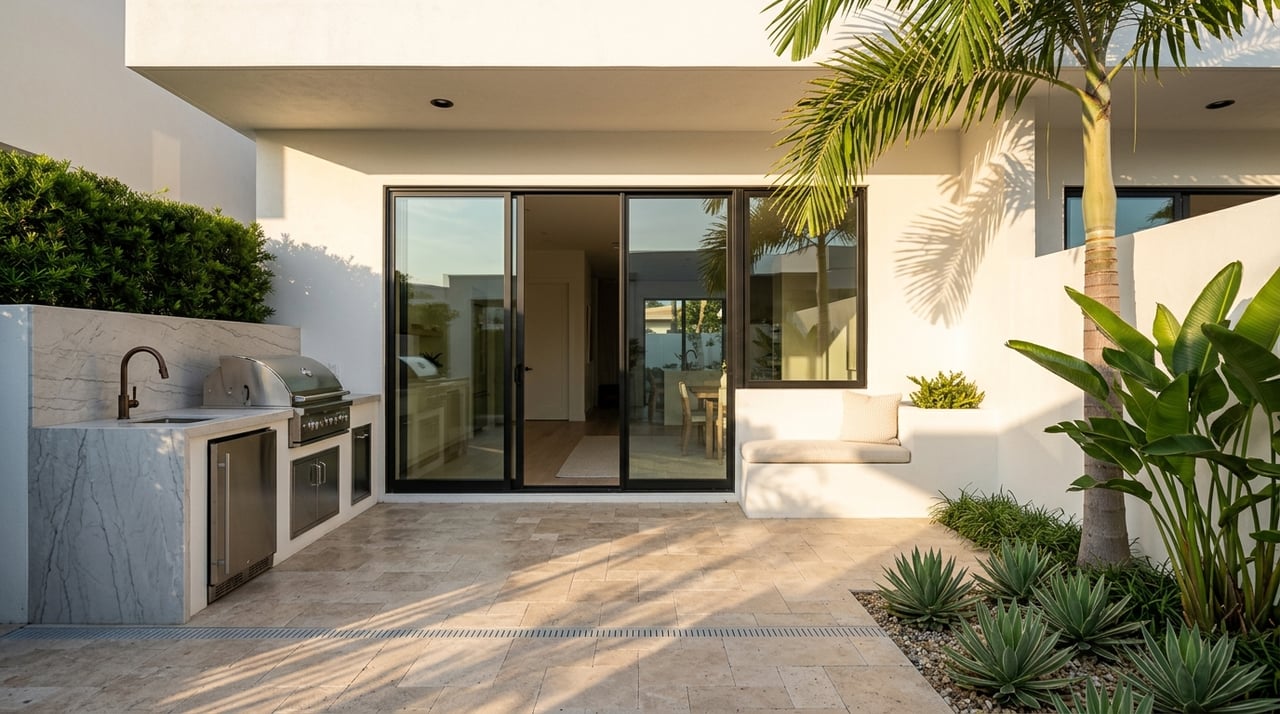
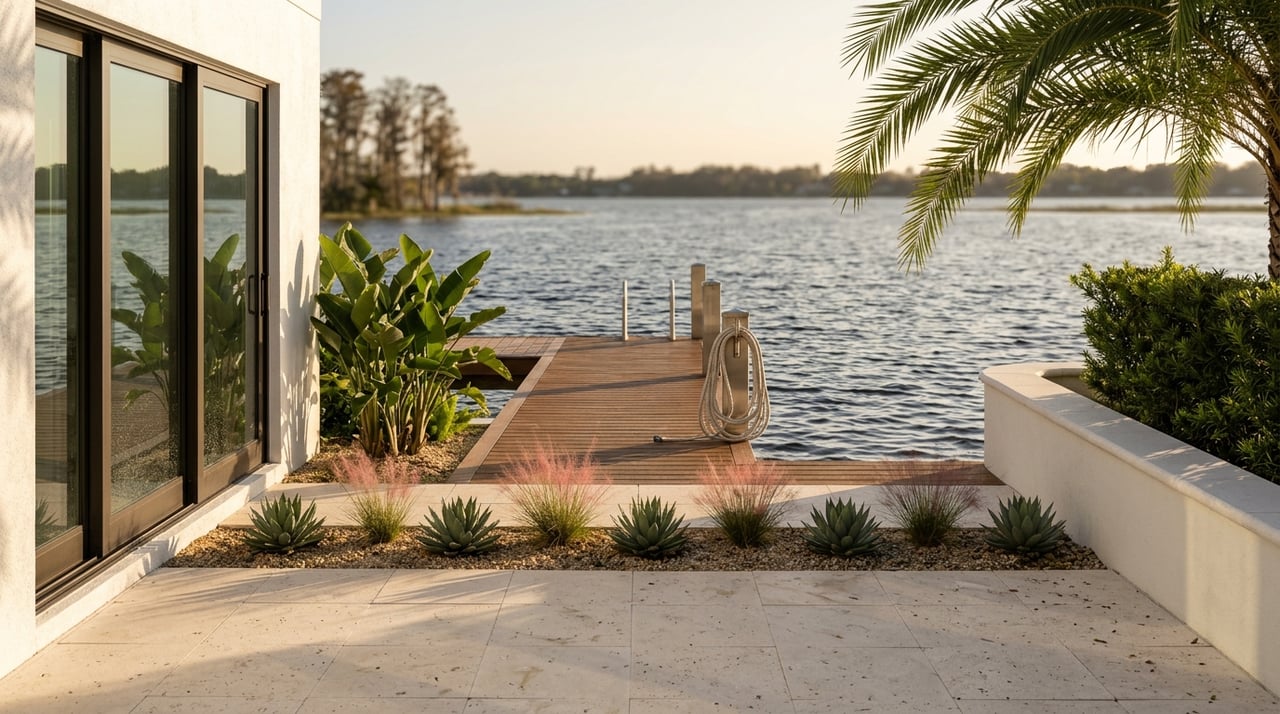
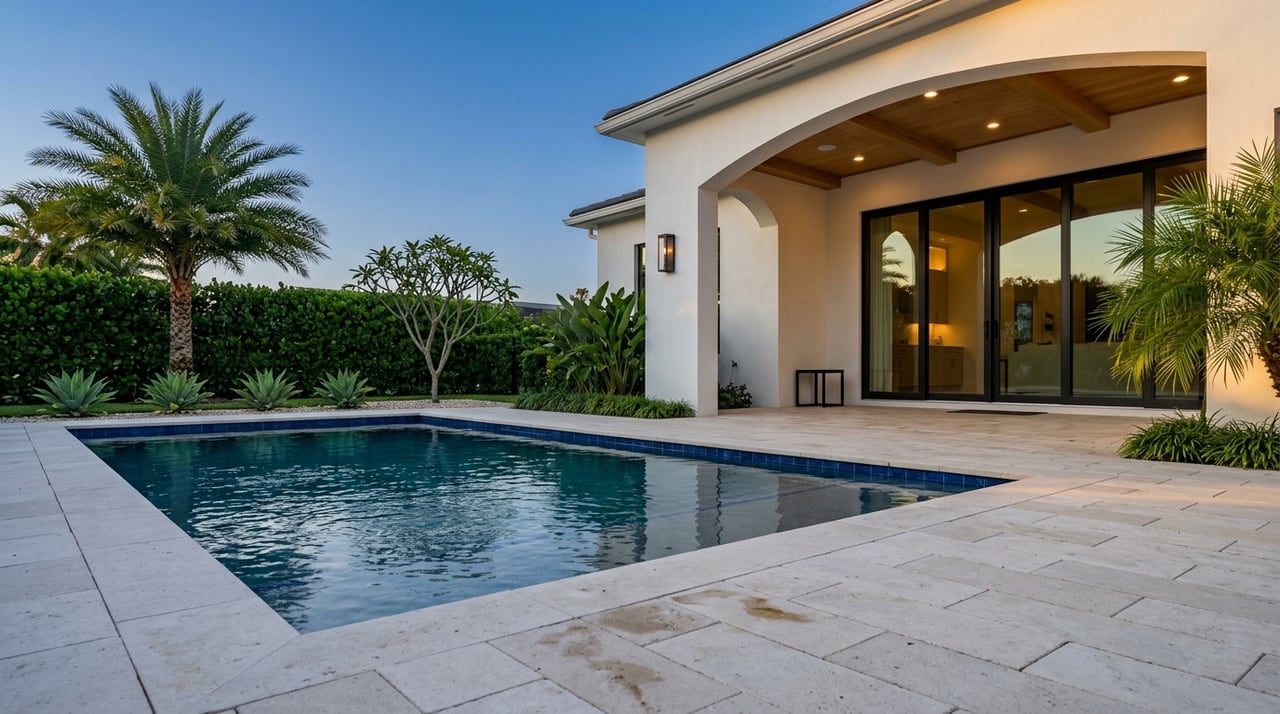
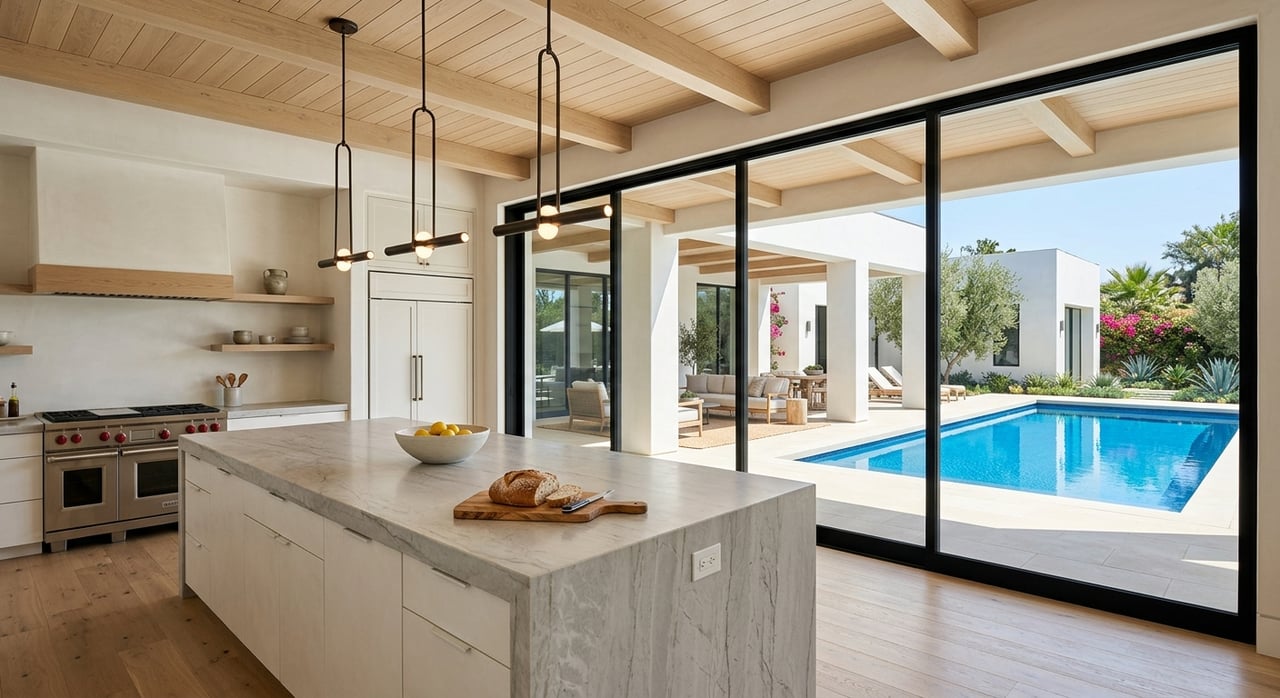
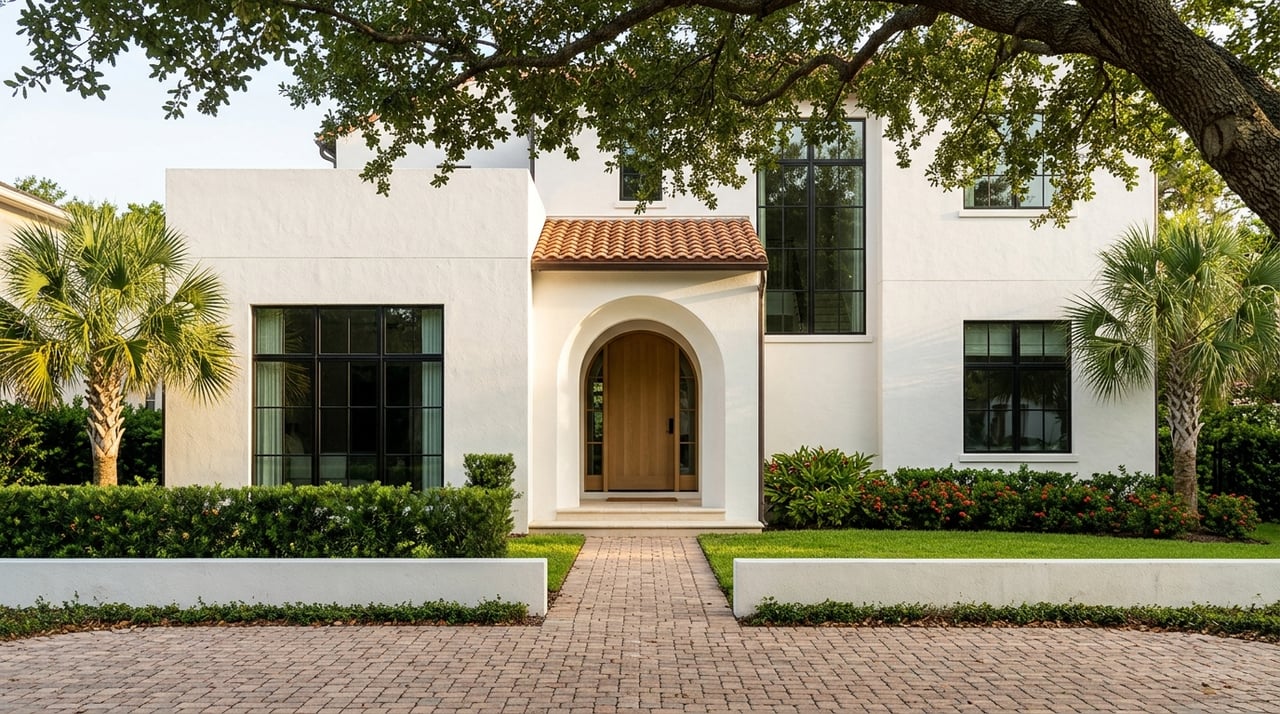
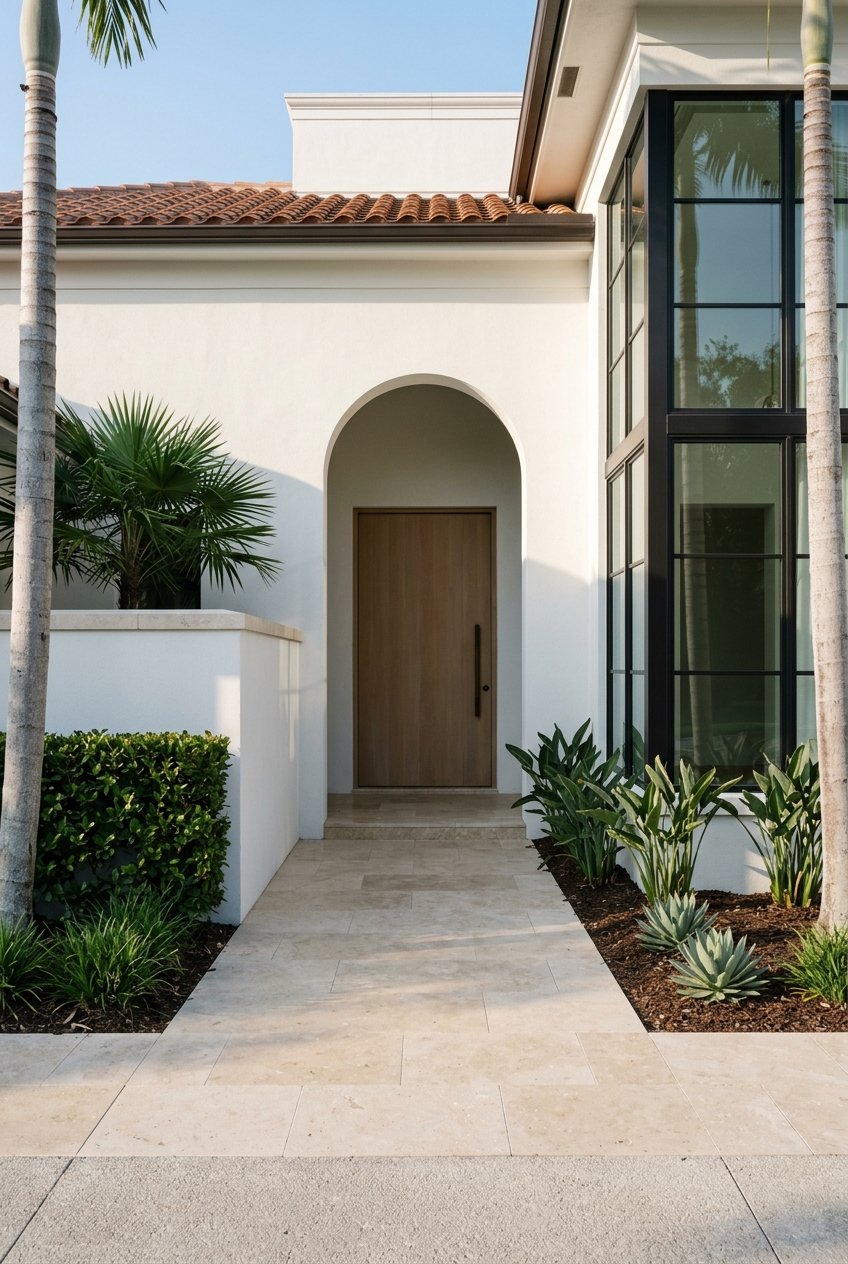
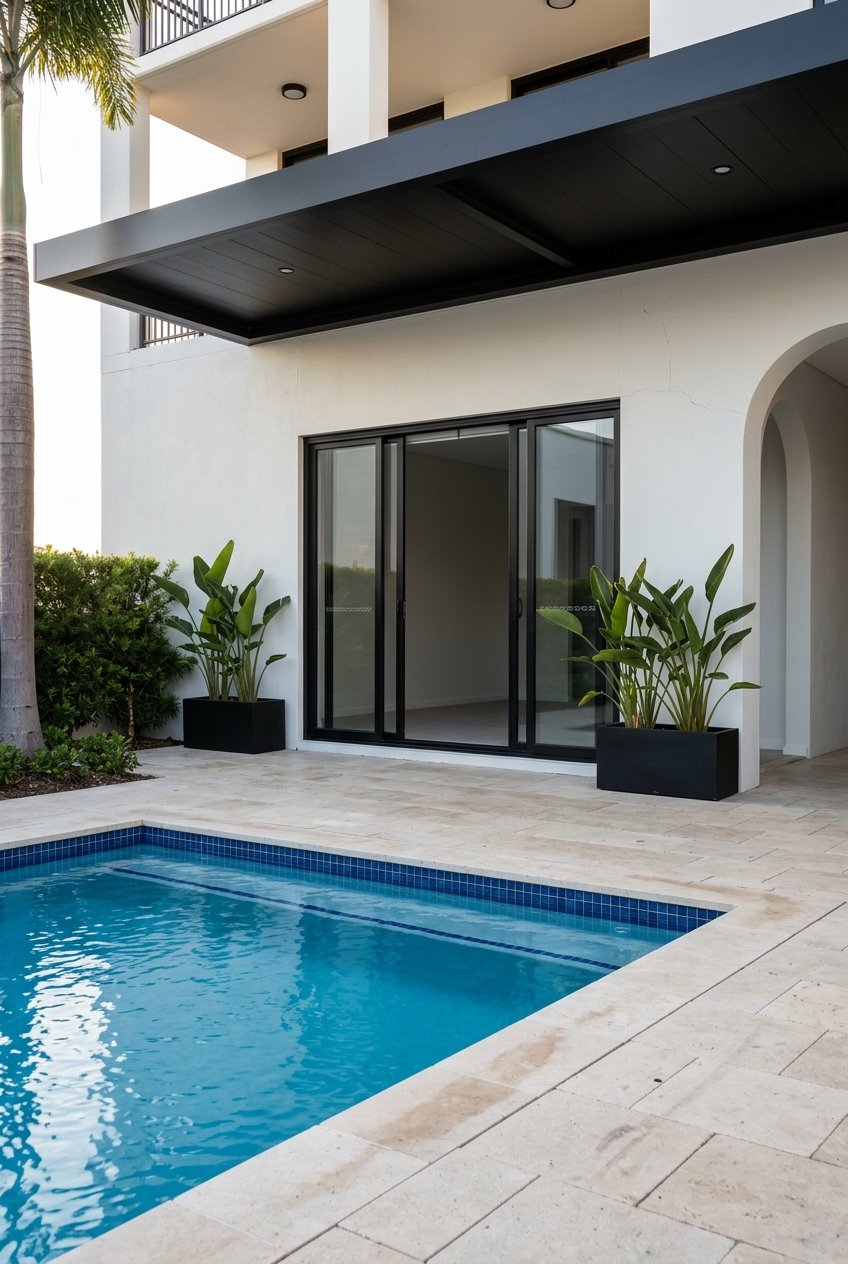
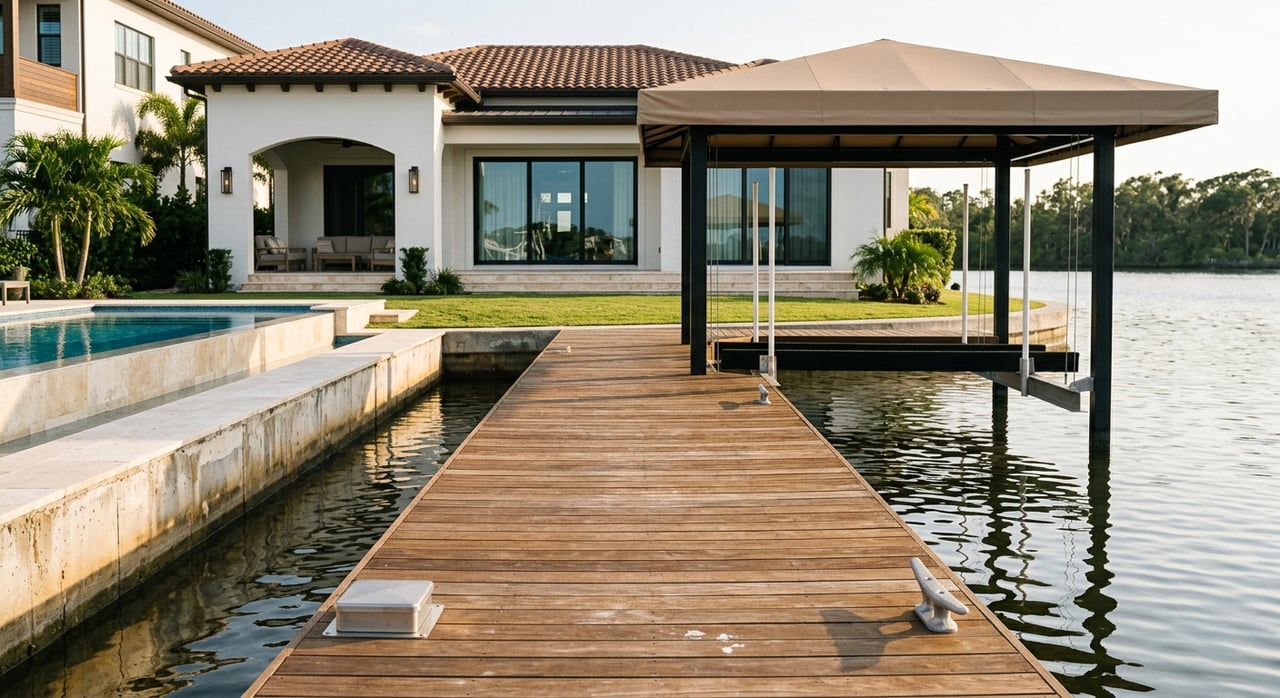
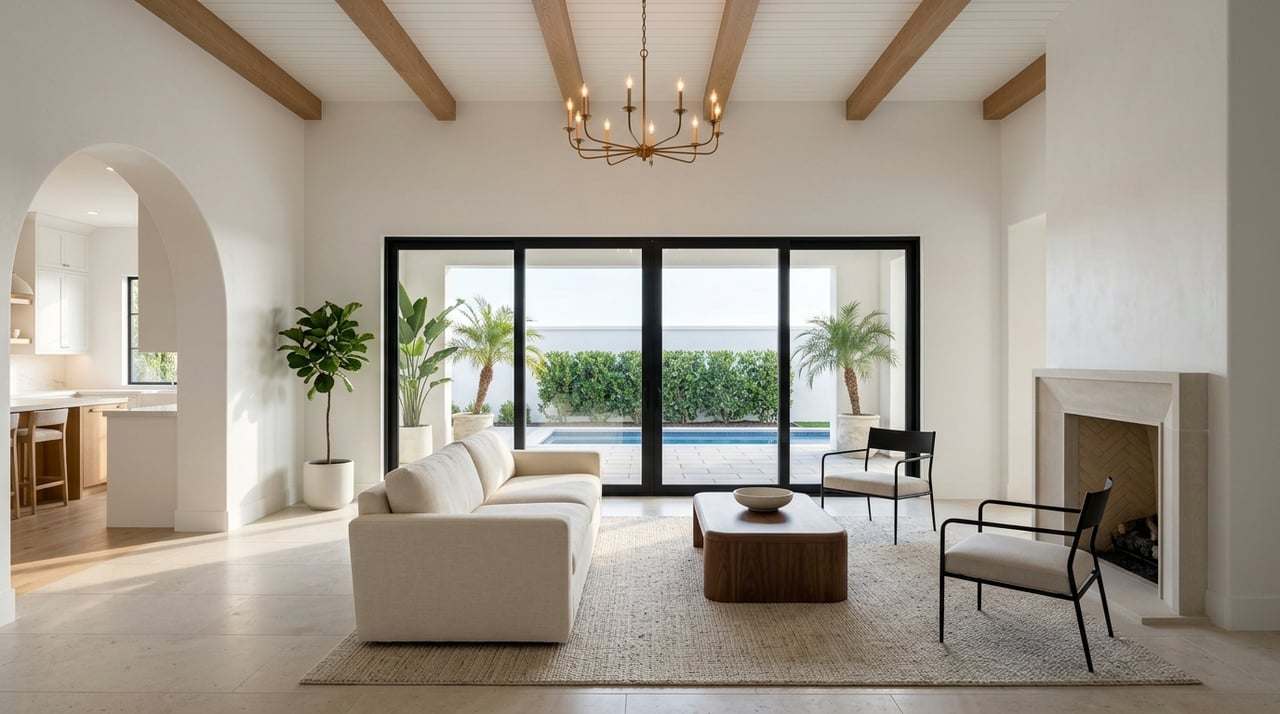
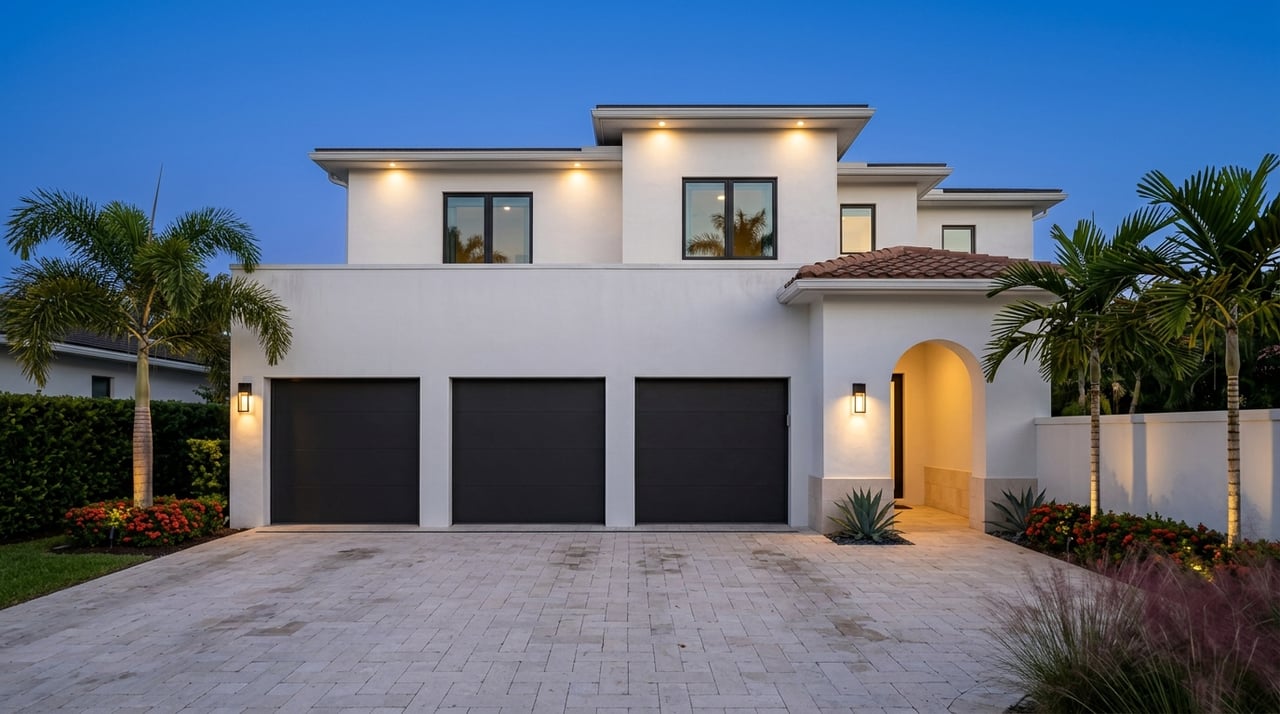
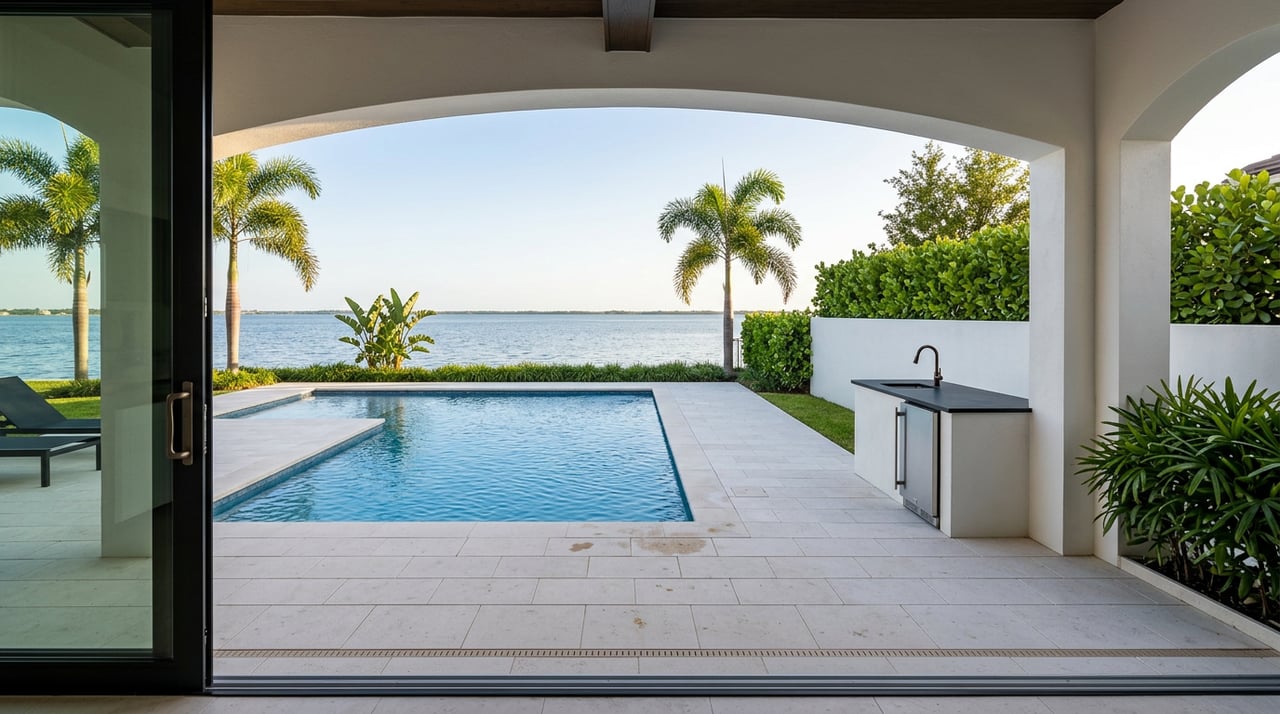
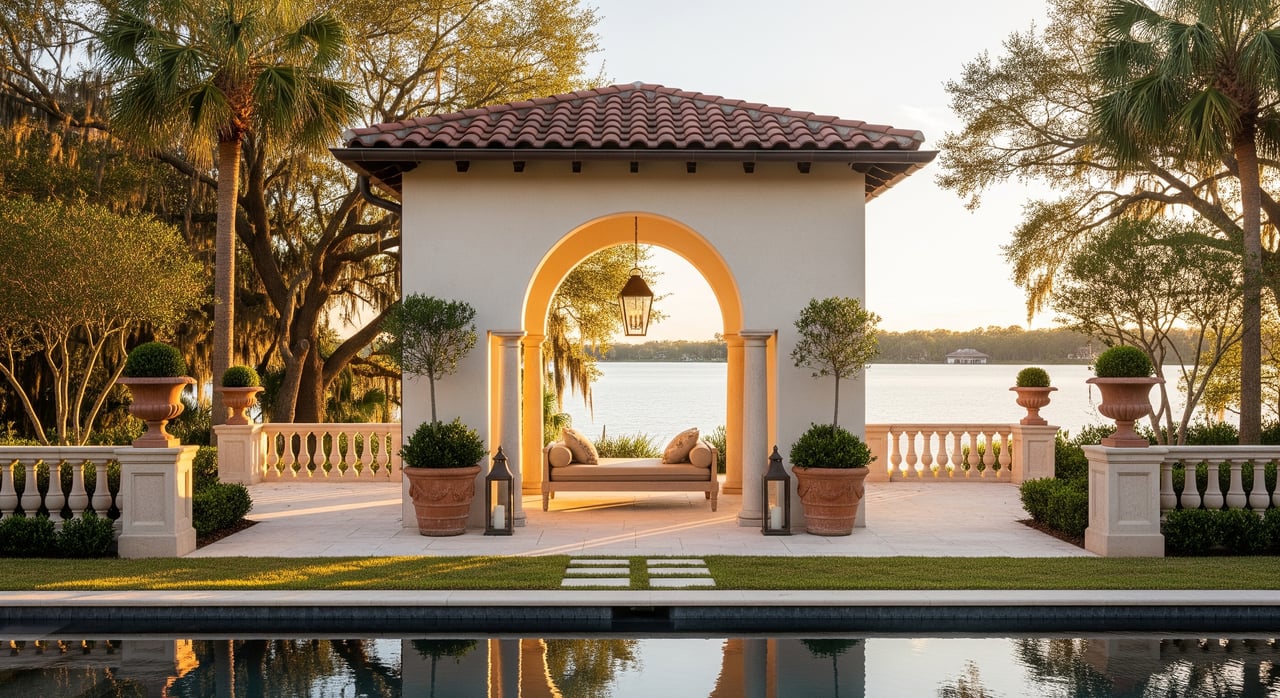
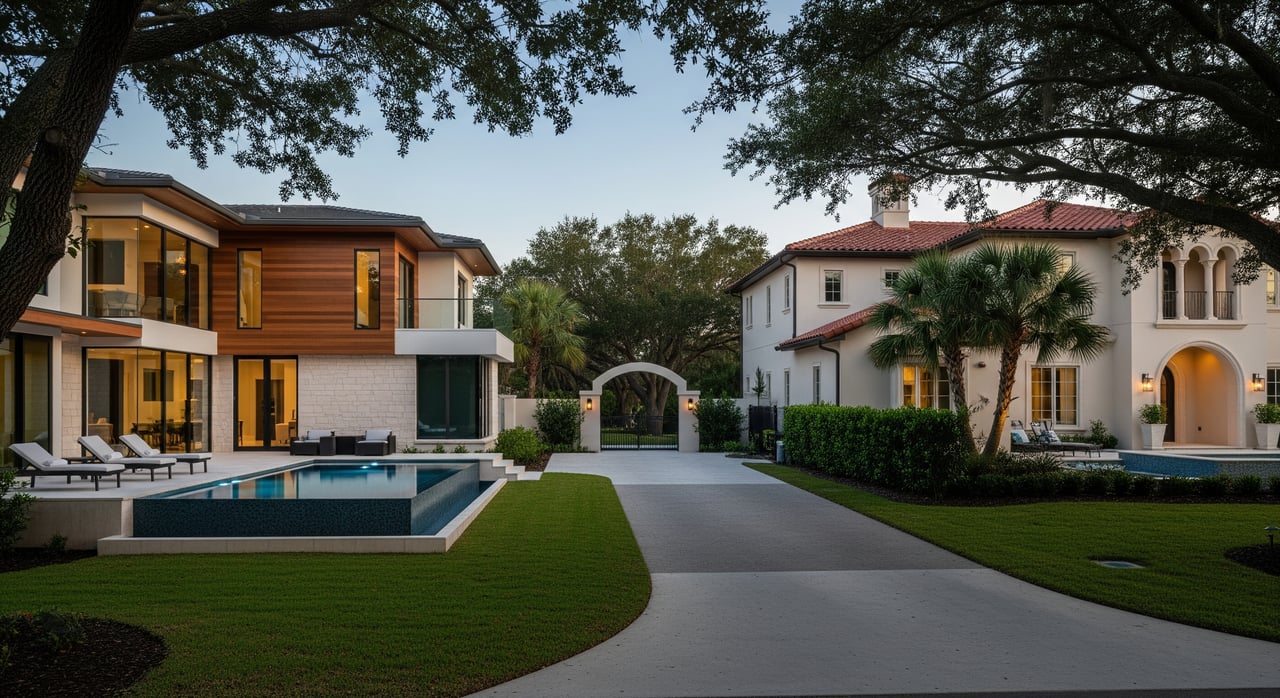
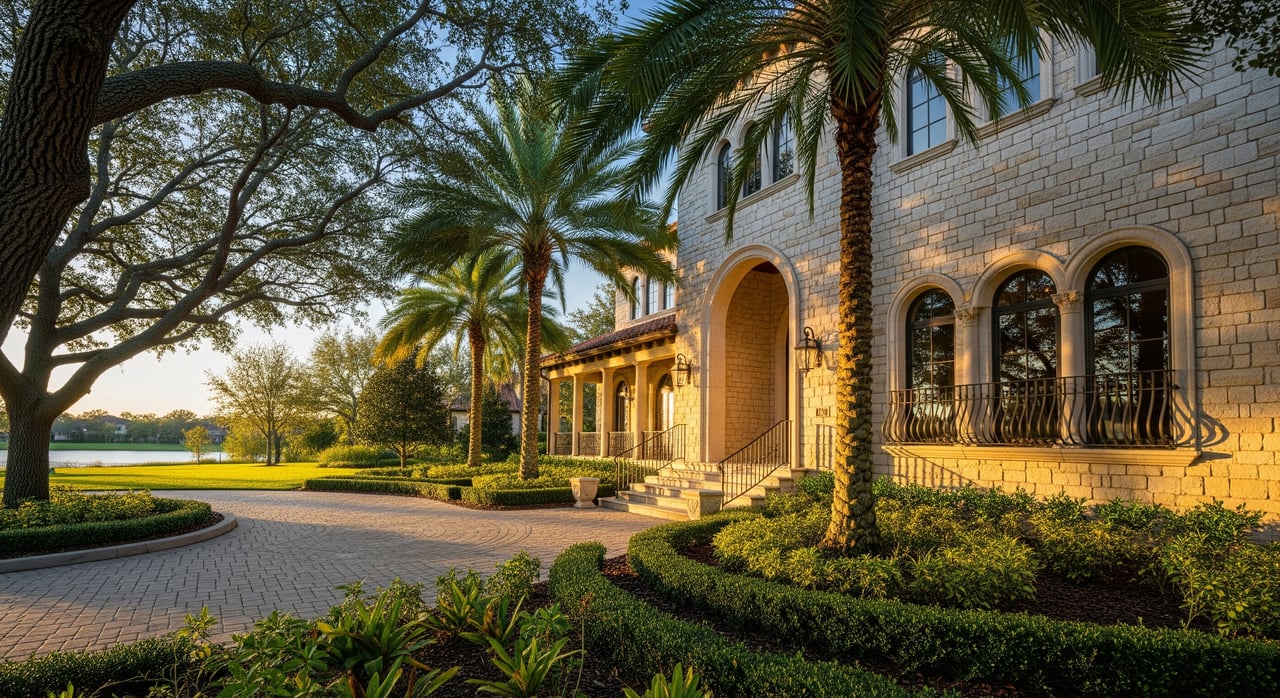
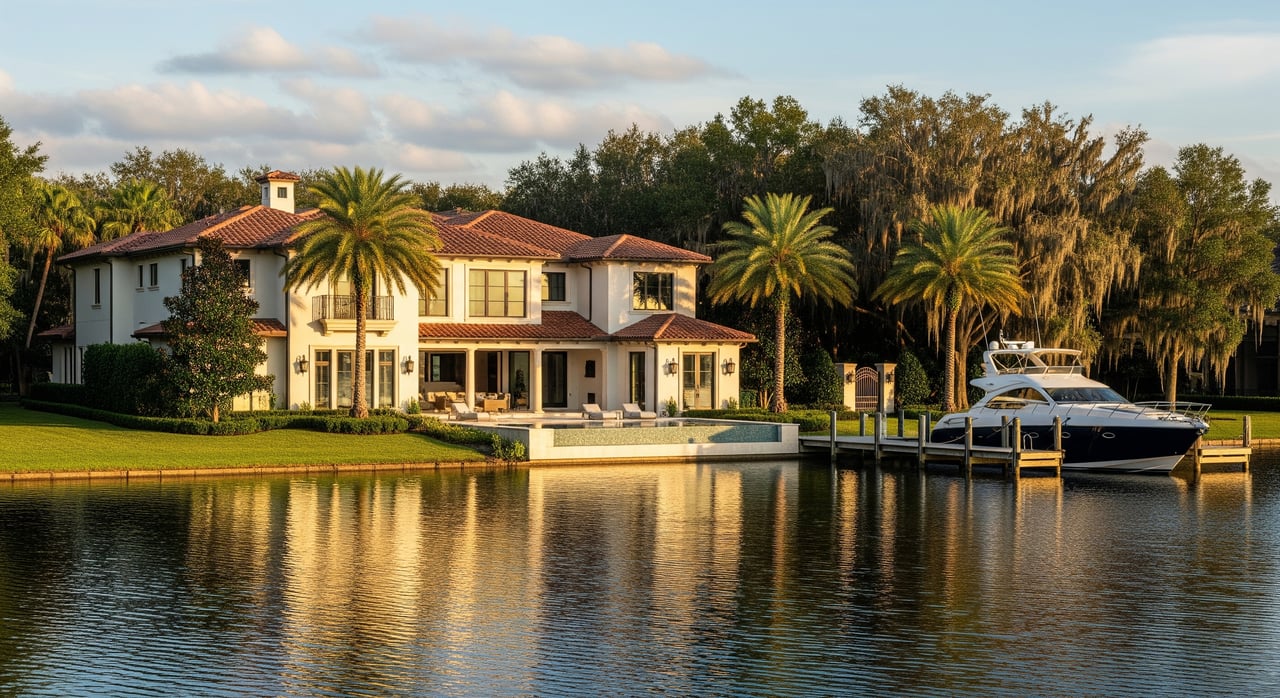
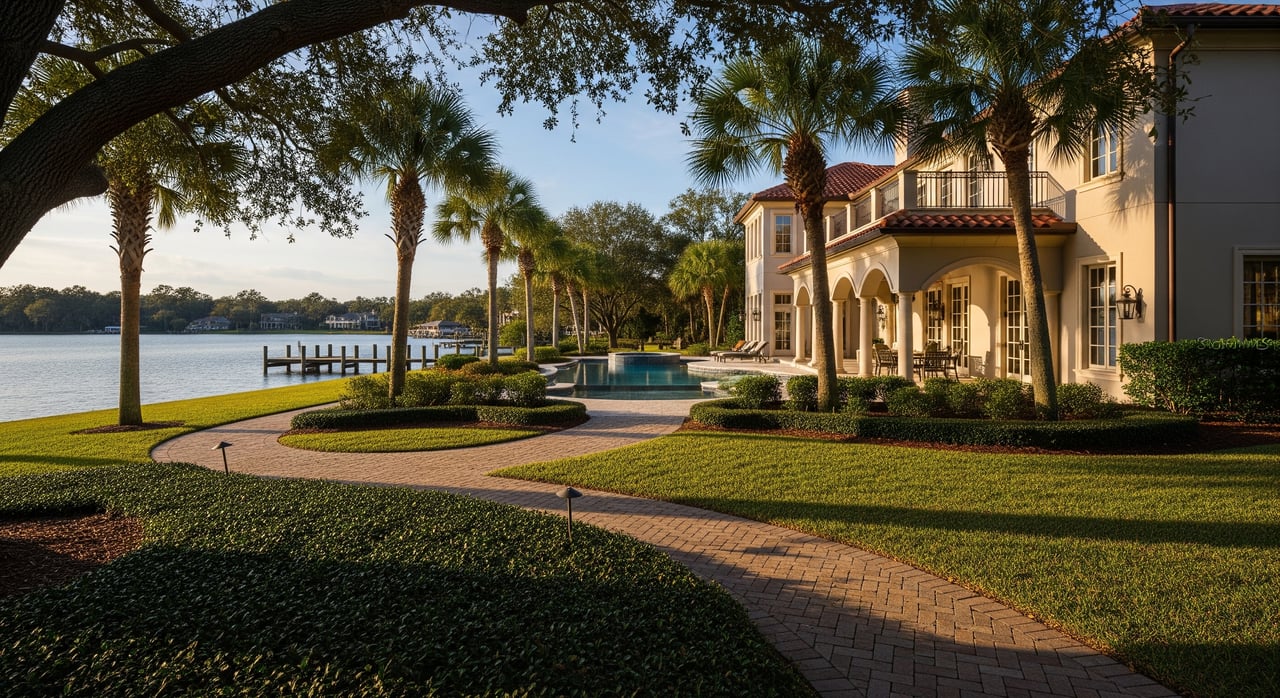
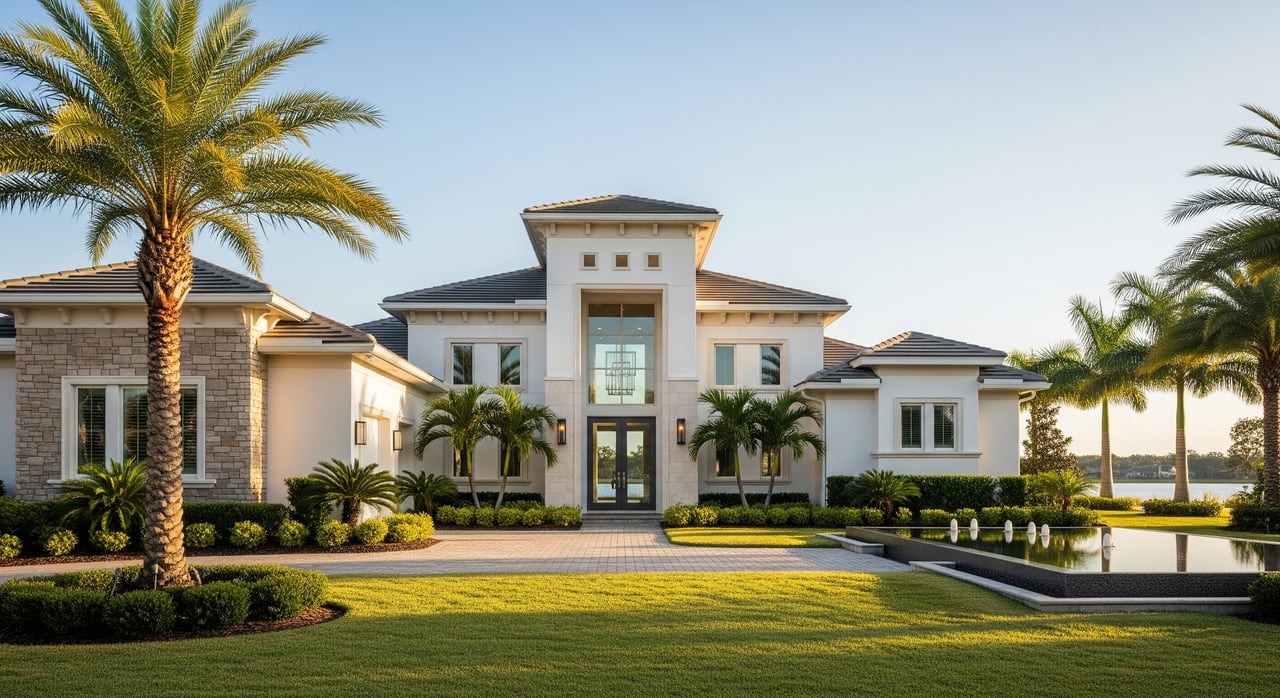
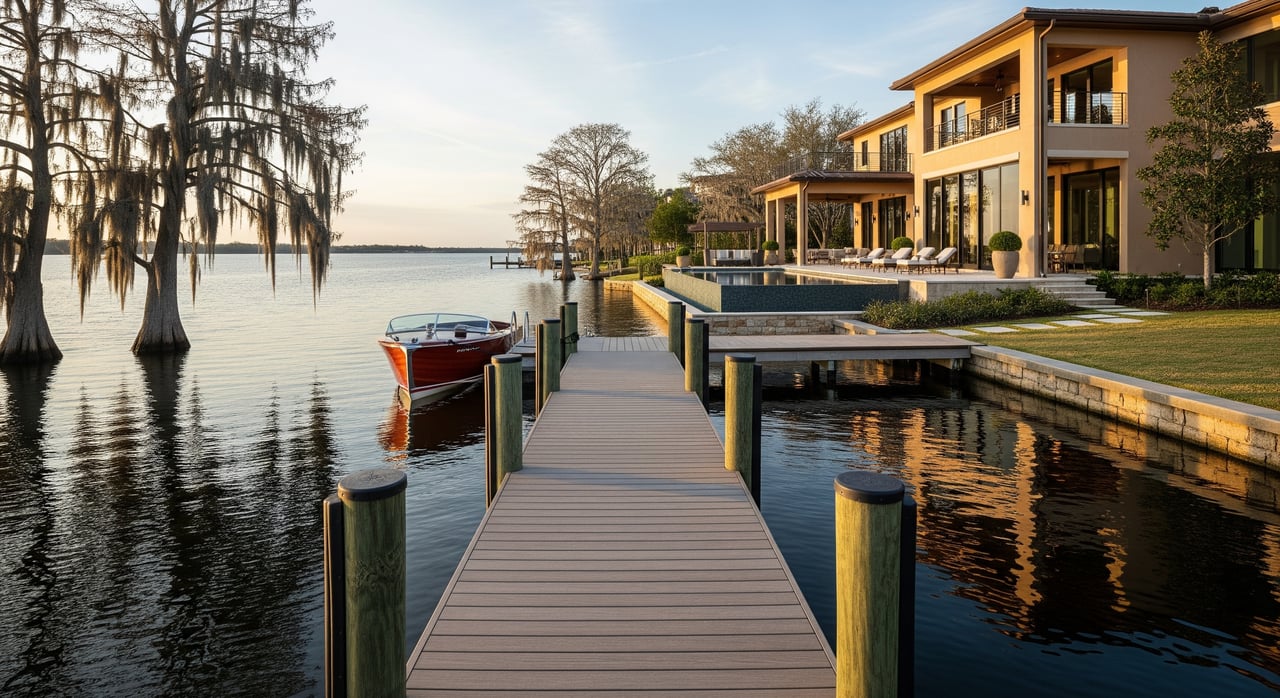
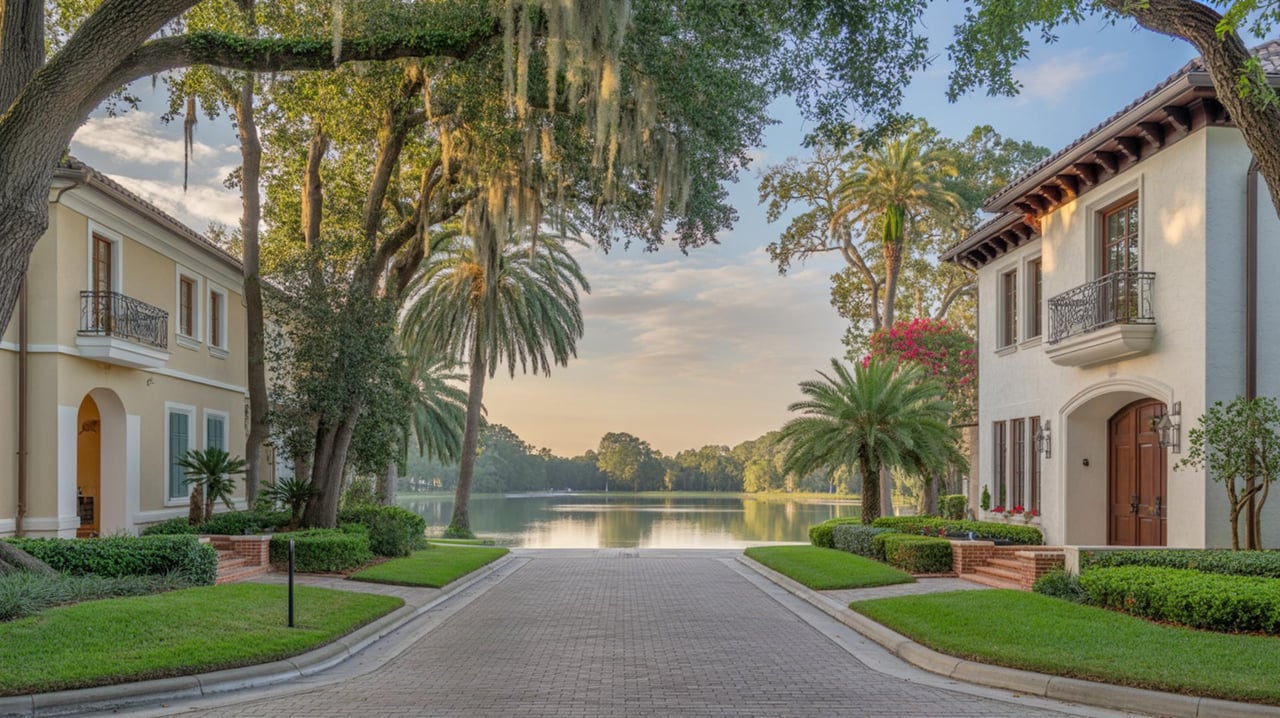
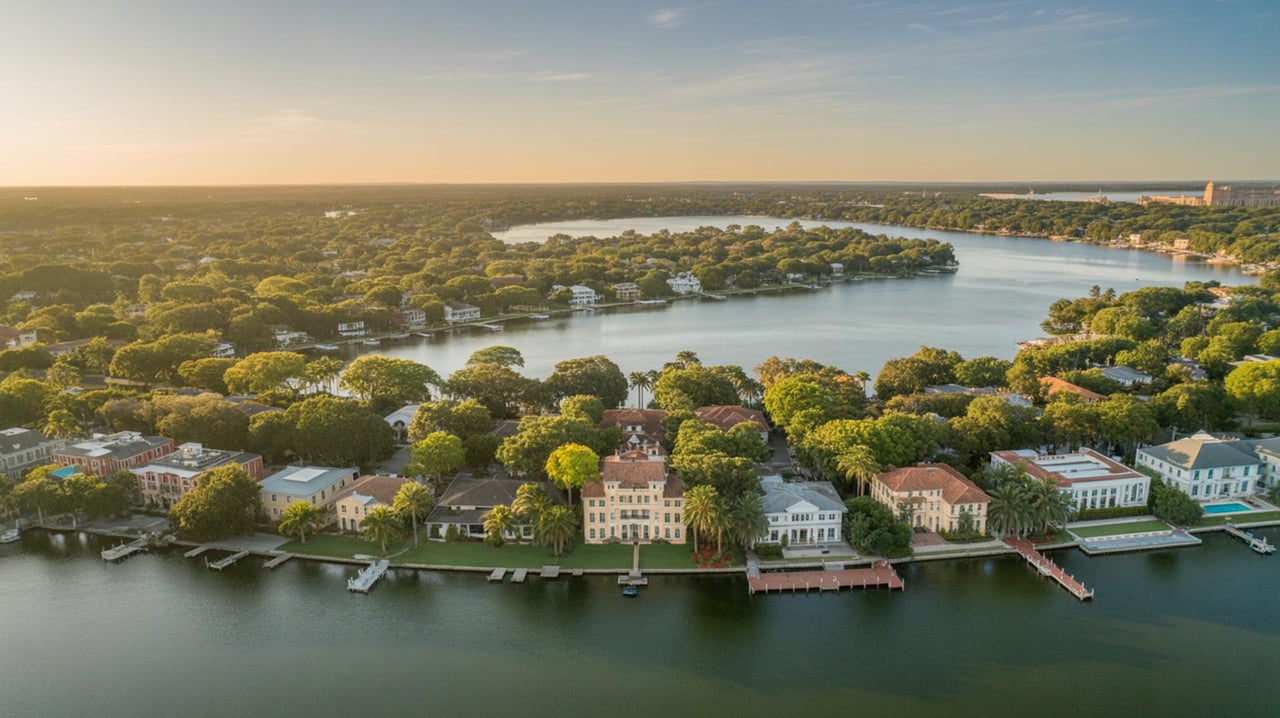
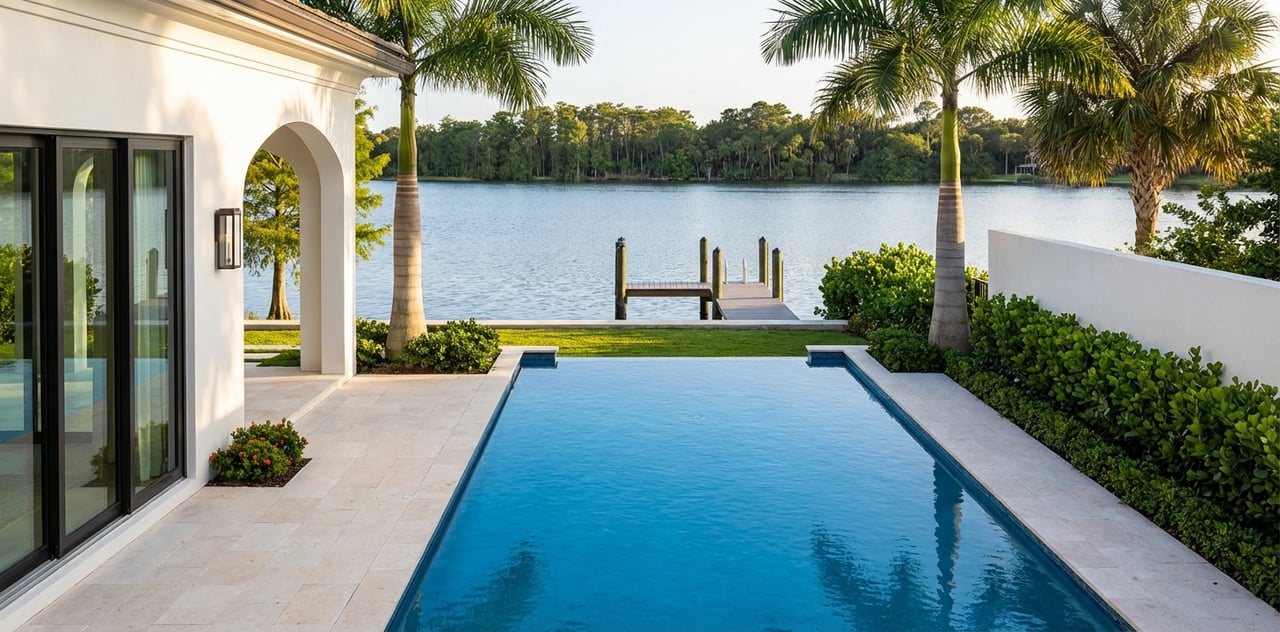
Luxury lakefront homes here lean custom and resort‑style, with expansive lanais, pool terraces, multiple‑garage courts, and guest accommodations. Waterfront improvements often include private docks and lifts, boathouses in some areas, and seawalls or riprap. Because the chain has clear water and shallow margins in places, some docks extend far from shore. Ask for as‑built drawings, permits, and maintenance records.
Seawall history matters. Orange County has processed after‑the‑fact seawall approvals, which is a reminder to verify the full permit trail and engineering where applicable. For context, see a recent local case covered by the Orange Observer about a replacement seawall on Lake Butler in this report. Also confirm utilities early. Some lakefront parcels connect to municipal sewer while others still use septic. Replacement or connection costs can be material and should be part of your evaluation.
On‑water rules that shape daily life
The chain’s canals are often posted as no‑wake and are actively patrolled on busy weekends. Expect safety markers and speed zones, and plan your boat profile around any low bridges. Protected areas also apply. Bird Island on Lake Butler has vessel‑exclusion rules intended to protect wildlife and improve safety. If you like to raft up or swim from the boat, review current restrictions and maps on the Town of Windermere’s Bird Island page.
Permits and environmental checks
Docks, lifts, and shoreline work usually require a paper trail. Single‑family docks often qualify for Florida DEP environmental resource permit self‑certification, while new seawalls, riprap, or dredging can trigger broader county and state review. Always collect permit numbers, approvals, and final inspections before closing, and keep them with your long‑term property records. Florida DEP’s overview of ERP e‑permitting lays out the process and forms on the ERP e‑permitting page.
Buyers sometimes encounter listings where shoreline work occurred before permits were finalized. In those situations, request a remediation plan or escrow to complete approvals. You can see how the county addresses such items in the Orange Observer’s coverage of an after‑the‑fact seawall approval in this article.
Insurance, flood, and risk essentials
Waterfront can mean different insurance and flood‑zone realities. Pull your FEMA Flood Insurance Rate Map panel and the National Flood Hazard Layer for the parcel, and obtain an elevation certificate if the home sits in a Special Flood Hazard Area. Flood coverage may be required for financed purchases and is separate from homeowners insurance. FEMA provides map tools and resources on the FEMA flood map service page.
On wind coverage, Florida carriers use a standardized wind‑mitigation inspection to document features that can reduce premiums. Items like roof‑to‑wall connections, opening protection, and secondary water resistance may produce credits that last several years. Order this inspection early in due diligence and share it with your insurance advisor. You can review the program and form details on the FLOIR wind mitigation resource page.
How location shapes pricing
Big‑water views, wide frontage, and private dock access drive premiums. Lake Butler frontage with open views toward Bird Island or long, uninterrupted shoreline often commands the highest tier, with Isleworth and select gated enclaves also capturing a luxury premium. Orientation matters too. West or south exposures for sunset, deep water at the dock, and renovated outdoor living can create step‑function jumps in price.
At the very top of the metro, enclaves like Golden Oak and prime Butler Chain frontage typically lead luxury headline numbers in the region. For context on where the top end clusters, see this Orlando Sentinel summary preserved on Archive.ph. For current neighborhood‑level medians and live inventory, lean on MLS data during your search and review like‑kind waterfront comps with your agent.
Three decisions that drive value
- Water access type. A deeded, private dock with a lift is a different experience and valuation than HOA‑assigned slips or no-slip communities. Confirm whether any slip is deeded and transferable, whether there is a waitlist, and what the community rules allow. Public ramps are limited, so private access can be a daily convenience and a pricing lever. Details on public access are summarized on the R.D. Keene Park page.
- Lake and canal character. Big‑water lakes like Butler or Tibet suit skiing and larger boats, while protected bays and smaller lakes trade some action for quiet and privacy. If you favor a tall T‑top or heavy wake boat, verify canal depth and low‑bridge clearances along your route using local maps on the Butler Chain overview.
- Insurance and flood profile. Flood‑zone designation and wind‑mitigation features can change your carrying costs significantly. Check FEMA maps for flood status and order a wind‑mitigation inspection early. FEMA’s map service and FLOIR’s wind‑mitigation page are good starting points.
Your due diligence checklist
Use this list with your agent and specialists before you waive contingencies:
- Survey and riparian rights. Order a current boundary and waterfront survey showing measured frontage, dock location, and any easements. Ask your title team to confirm riparian rights. Florida’s Attorney General explains riparian concepts in this overview PDF.
- Dock and lift file. Collect permits, as‑built drawings, electrical specs, and maintenance records. Confirm who holds docking rights and whether they are deeded to the lot or assigned by an HOA. Keep serial numbers for lift motors and controls.
- Seawall and shoreline records. Request permits and any engineer reports for the seawall or riprap. The county has handled after‑the‑fact seawall approvals, so ask for a complete paper trail or a remediation escrow if needed, as seen in this local case study.
- Water access logistics. Verify canal depths at the dock and low‑bridge clearances along your intended routes. Confirm permitted boat size or horsepower limits for your lake, and understand public ramp capacity if you expect guests to launch from offsite.
- Flood and insurance. Pull the FEMA panel and the National Flood Hazard Layer, gather any existing elevation certificate, and get preliminary quotes for homeowners, wind, and flood. Review wind‑mitigation credits and any required improvements. Start with FEMA’s map service and the FLOIR wind‑mitigation page.
- Utilities and systems. Confirm sewer versus septic and the age or condition of any private system. Check potable water source and amperage at the dock for lifts and lighting.
- Permitting and environmental. Save permit numbers for any docks, lifts, dredging, or stabilization work, and verify whether the property has conservation easements or restricted shoreline areas. Florida DEP outlines ERP pathways on the e‑permitting page.
- HOA or club rules. Read covenants and marina policies for slip assignment, guest mooring, transfer fees, and club membership requirements where applicable.
Assemble your specialist team
Buying on the Butler Chain goes smoother when you coordinate a few experts early:
- Waterfront real estate advisor with active lakefront comps and community knowledge.
- Marine contractor or dock and boat‑lift inspector, plus a diver or drone operator for under‑dock visuals if needed.
- Structural or coastal engineer for seawall evaluation and cost opinions.
- Licensed home inspector and wind‑mitigation inspector to document insurance credits, using Florida’s standardized approach explained by FLOIR.
- Surveyor to confirm frontage, riparian lines, and encroachments.
- Title and closing attorney experienced with riparian rights and submerged‑lands issues.
- Insurance broker versed in Florida luxury waterfront to quote homeowners and flood and to advise on credits.
Neighborhood quick notes
- Isleworth. A benchmark for luxury with private club amenities and a concentration of custom estates. Confirm each lot’s boat access and any resident ramp details before you tour.
- Keene’s Pointe and Lake Butler Sound. Strong luxury options with gated sections, golf, and community water access in places. Pricing typically sits below top Isleworth and Golden Oak numbers but offers outstanding lifestyle and value.
- Downtown Windermere and Lake Butler peninsula pockets. Scarce, high‑appeal positions with long views can command premium pricing when updated or thoughtfully preserved. Use recent like‑kind comps to benchmark value.
Next steps
Windermere’s Butler Chain rewards buyers who align lifestyle with lake, verify the facts behind the shoreline, and lock in the right insurance and access. If you want a confident, streamlined purchase, partner with a team that lives this market and coordinates the details for you. For a private, concierge‑level plan tailored to your goals, request a consultation with The Hazera Team.
FAQs
What makes the Butler Chain unique for Windermere buyers?
- It is a connected, spring‑fed lake system with protected status, limited public ramps, and active navigation management, outlined on the Butler Chain overview.
How do canals and bridges affect boat choice on the chain?
- Many interconnecting canals are shallow, narrow, and no‑wake, and some bridges sit low, so verify depth and clearance on your route using local maps on the Butler Chain page.
What permits are needed to replace a dock or seawall?
- Most single‑family docks follow Florida DEP ERP pathways and shoreline work can trigger county and state review, detailed on the ERP e‑permitting page.
How should I evaluate flood and insurance on a Windermere lakefront home?
- Check FEMA flood maps and obtain an elevation certificate if needed, then order a wind‑mitigation inspection to pursue credits, using FEMA’s map service and FLOIR resources.
Where are the public ramps, and why does private dock access matter?
- Primary launches include R.D. Keene Park on Lake Isleworth and a Lake Down ramp, and limited parking or seasonal limits make deeded docks a high‑value convenience, as noted on the R.D. Keene Park page.