If you are torn between a storied estate and a newly built showpiece in Winter Park, you are not alone. In 32789, both options can be compelling, but they offer very different ownership experiences. When you understand how character, maintenance, design rules, and resale fit together, your decision becomes much clearer. Let’s dive in.
Winter Park’s luxury setting
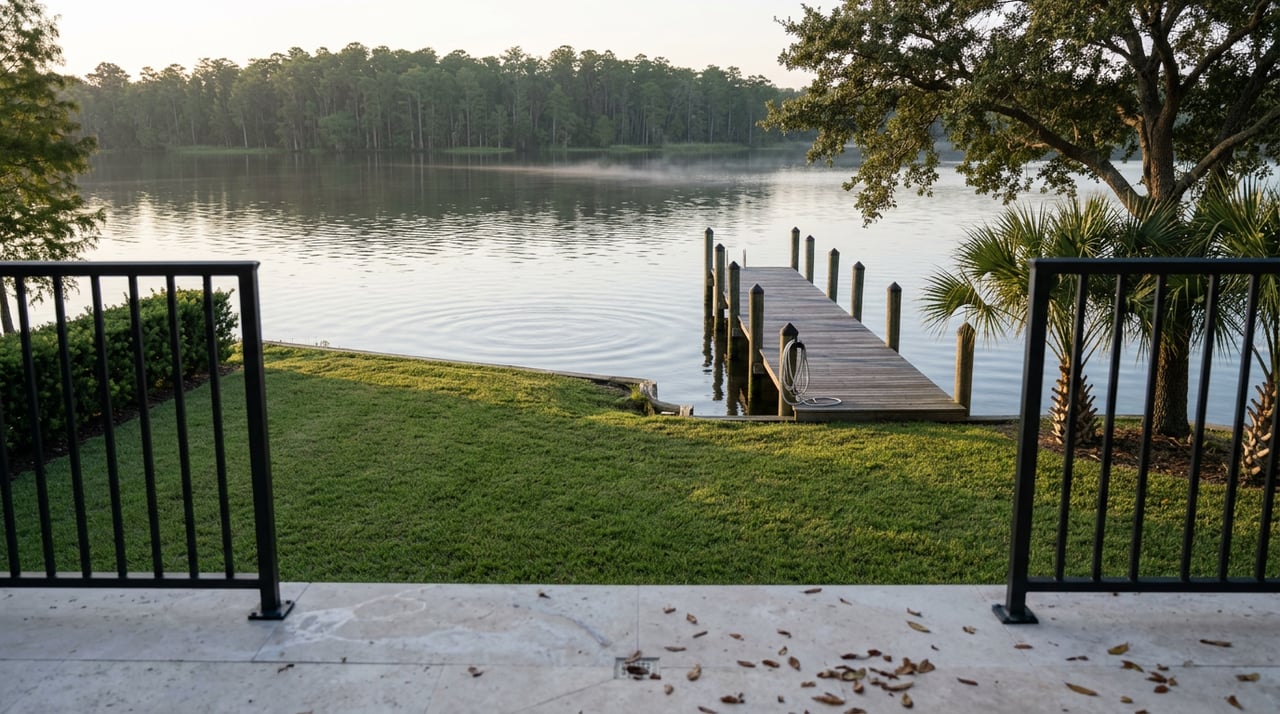
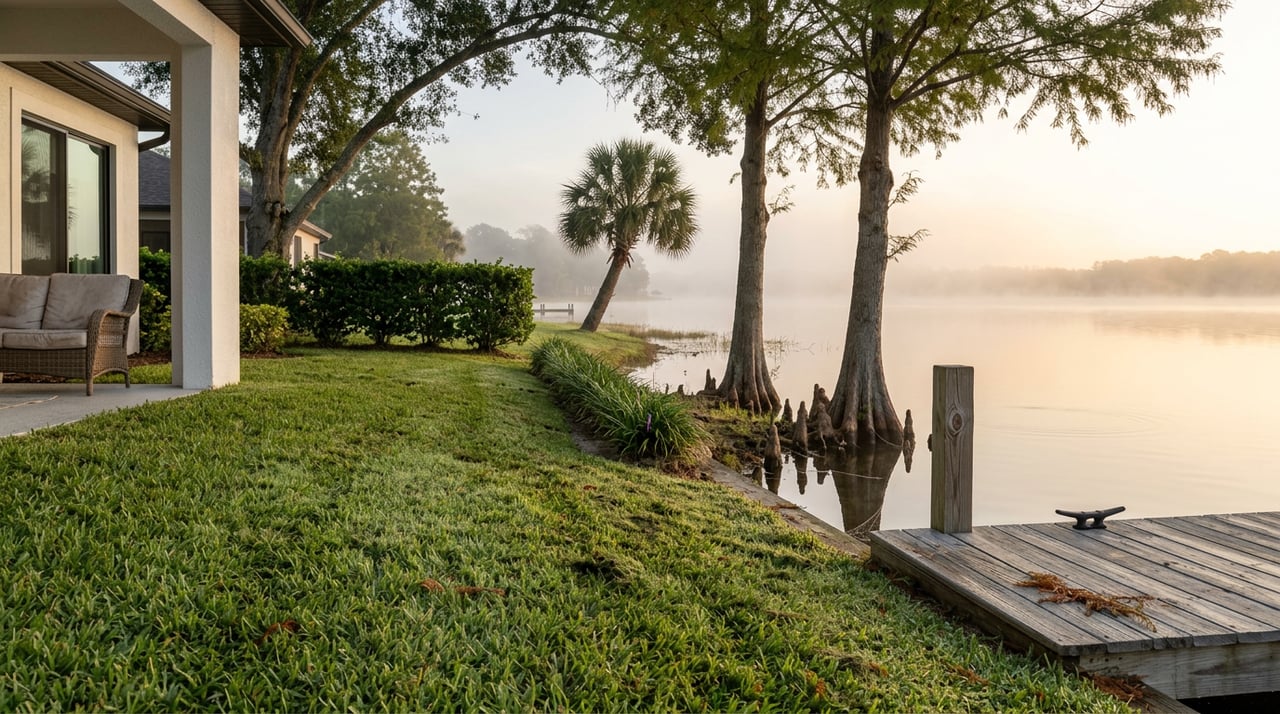
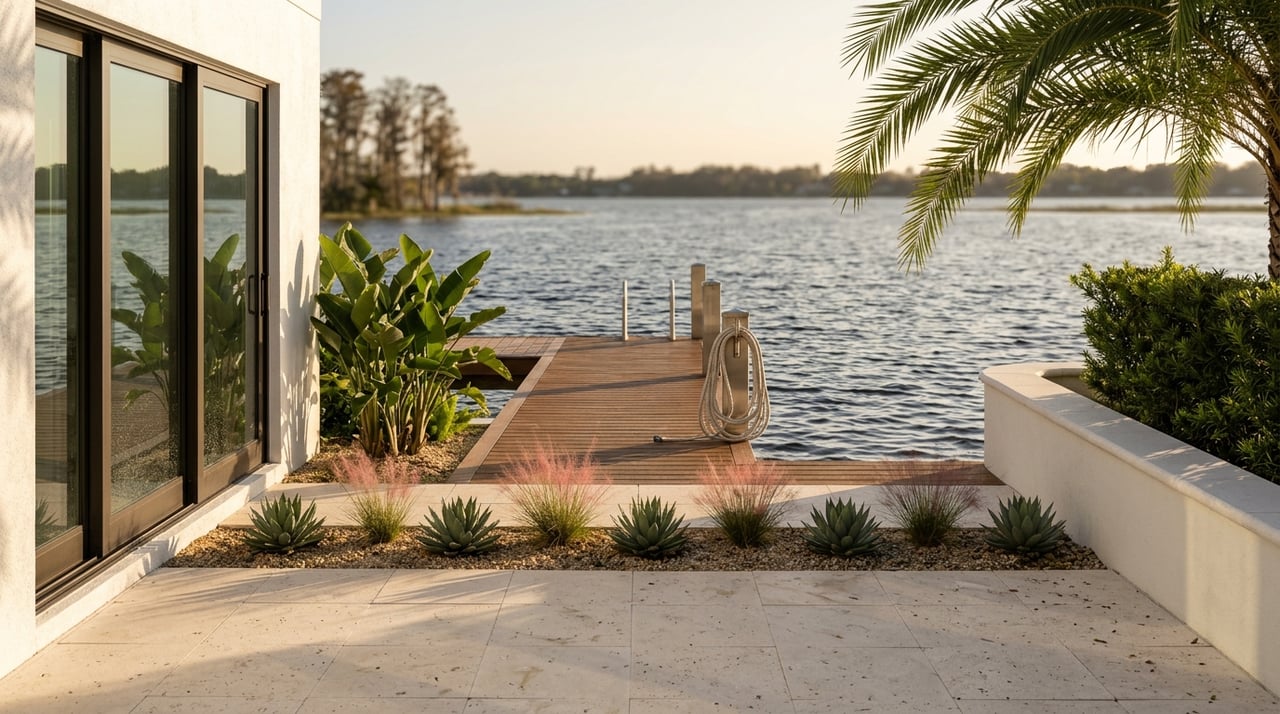
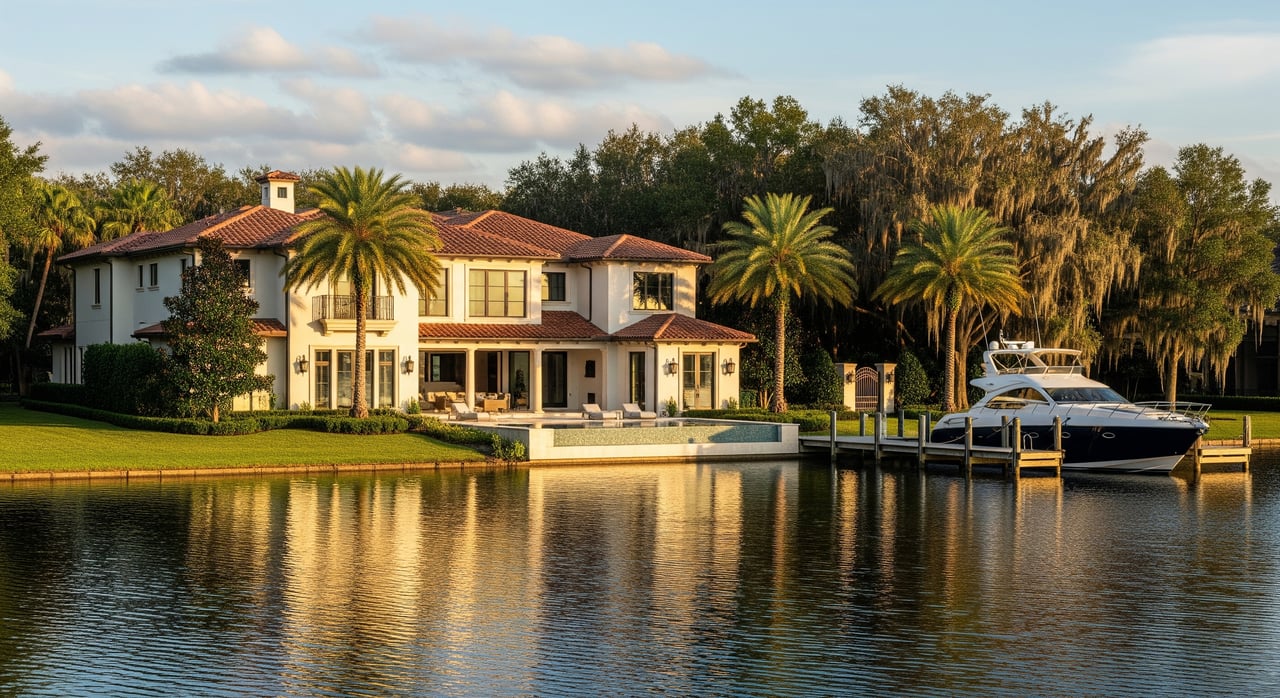
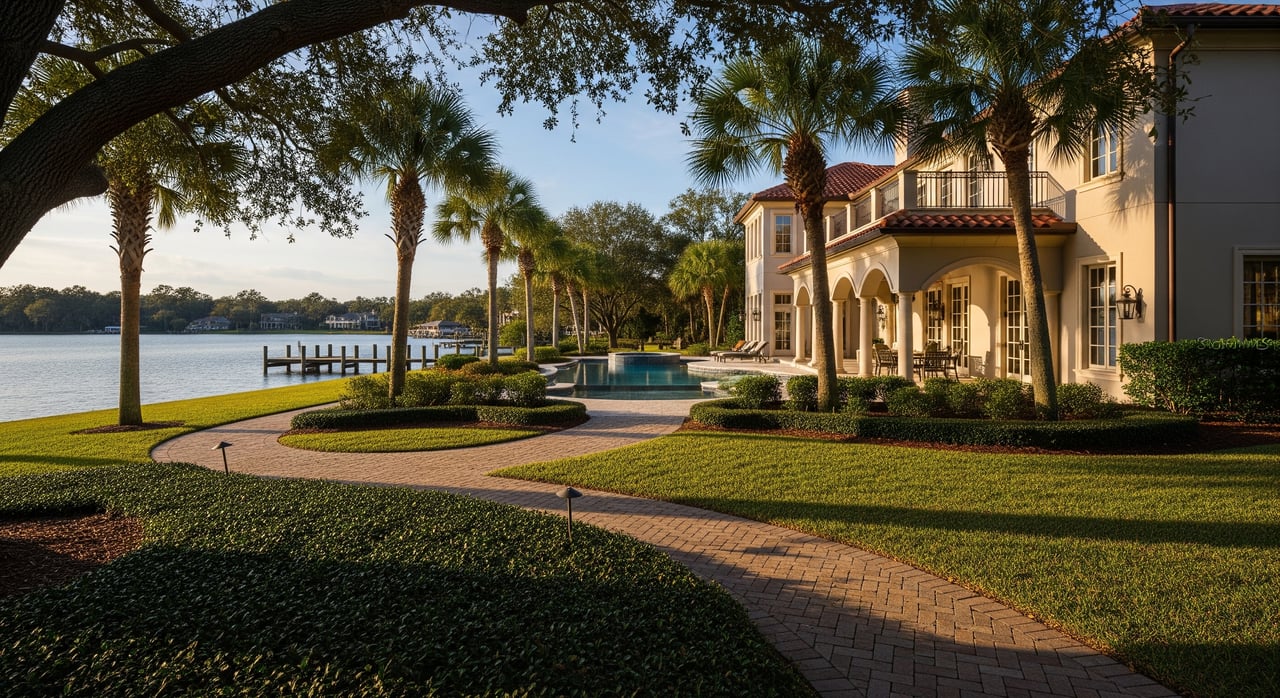
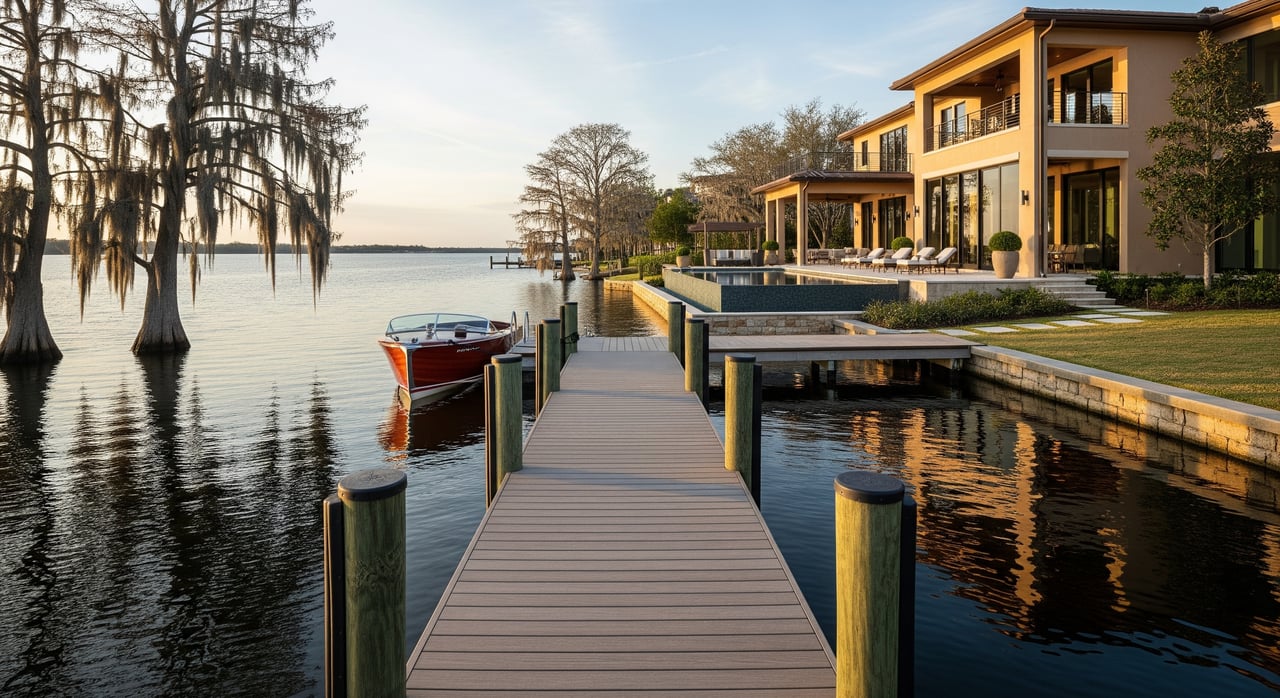
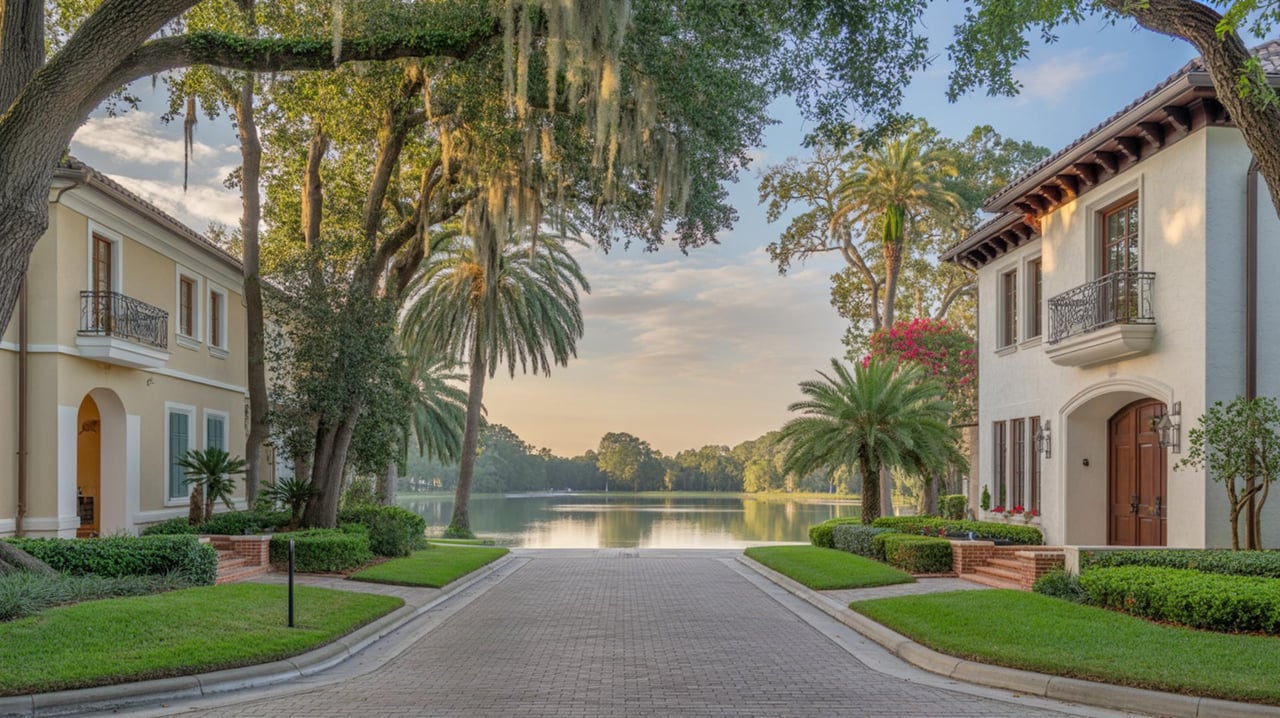
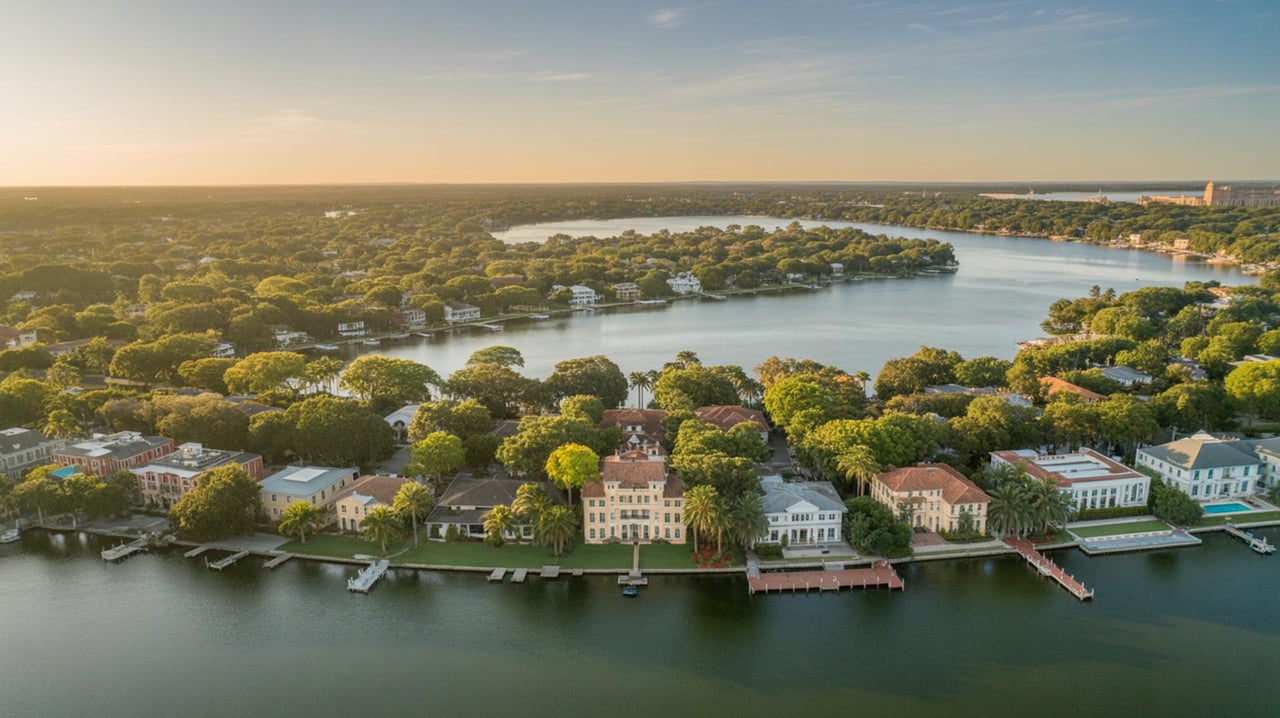
Winter Park has a distinct sense of place that shapes the luxury market. The city is known for its lakes, brick streets, mature tree canopy, and historic downtown along Park Avenue.
That setting matters when you compare older and newer homes. In a market like Winter Park, the home itself is only part of the story. Architecture, street character, and neighborhood context often carry just as much weight.
The city has recorded more than 700 historic structures, which equals about 7% of residential dwellings. In March 2026, Realtor.com reported 213 homes for sale in 32789, with a median listing price of $1,397,500, a 98% sale-to-list ratio, and 60 median days on market.
Taken together, those numbers suggest a more balanced market backdrop rather than an extreme seller’s market. That means your choice between historic and new should be guided less by hype and more by how you want to live.
Historic luxury homes in Winter Park
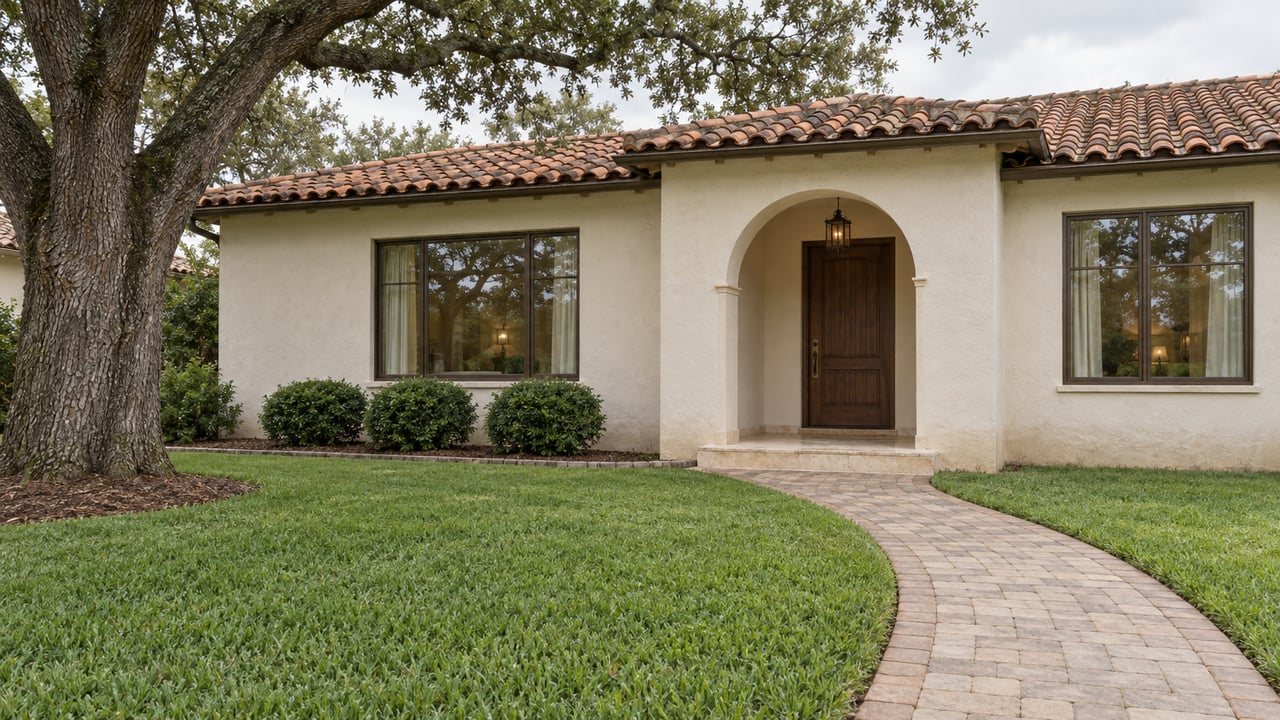
Historic luxury homes in Winter Park range from grand estate properties to smaller homes in established bungalow neighborhoods. Many trace their roots to late-1800s winter cottages and the 1920s land boom.
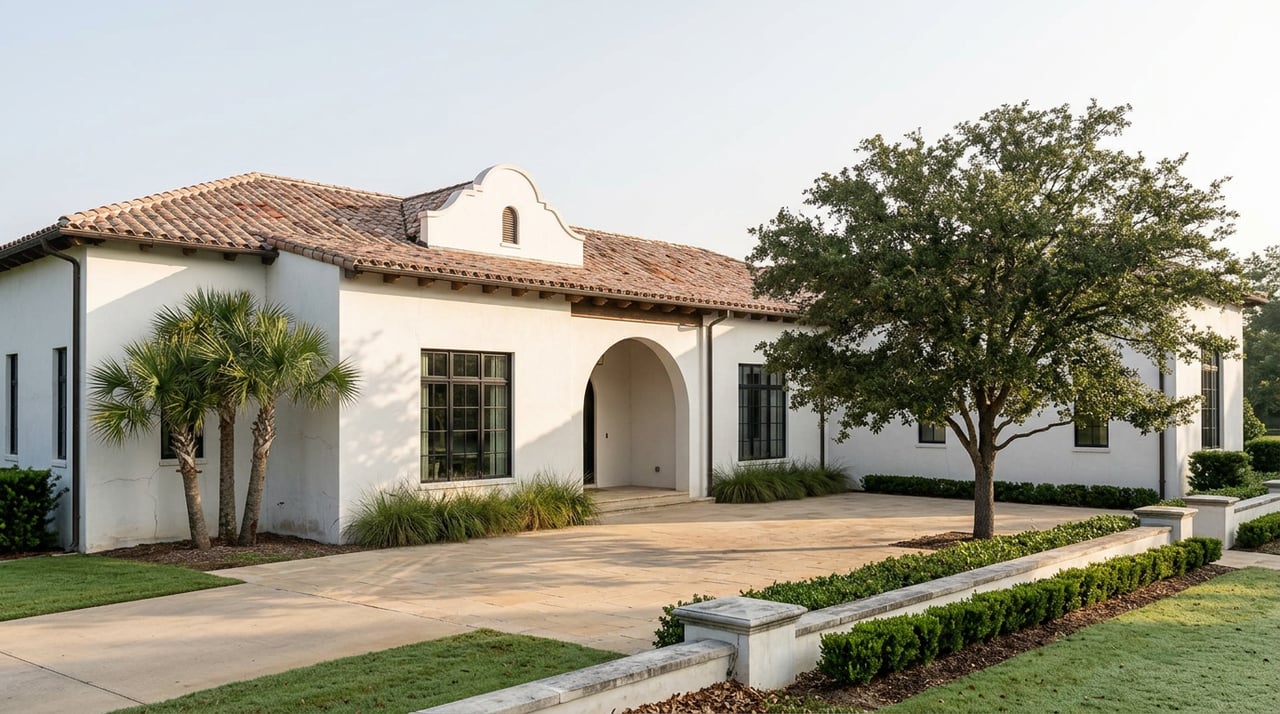
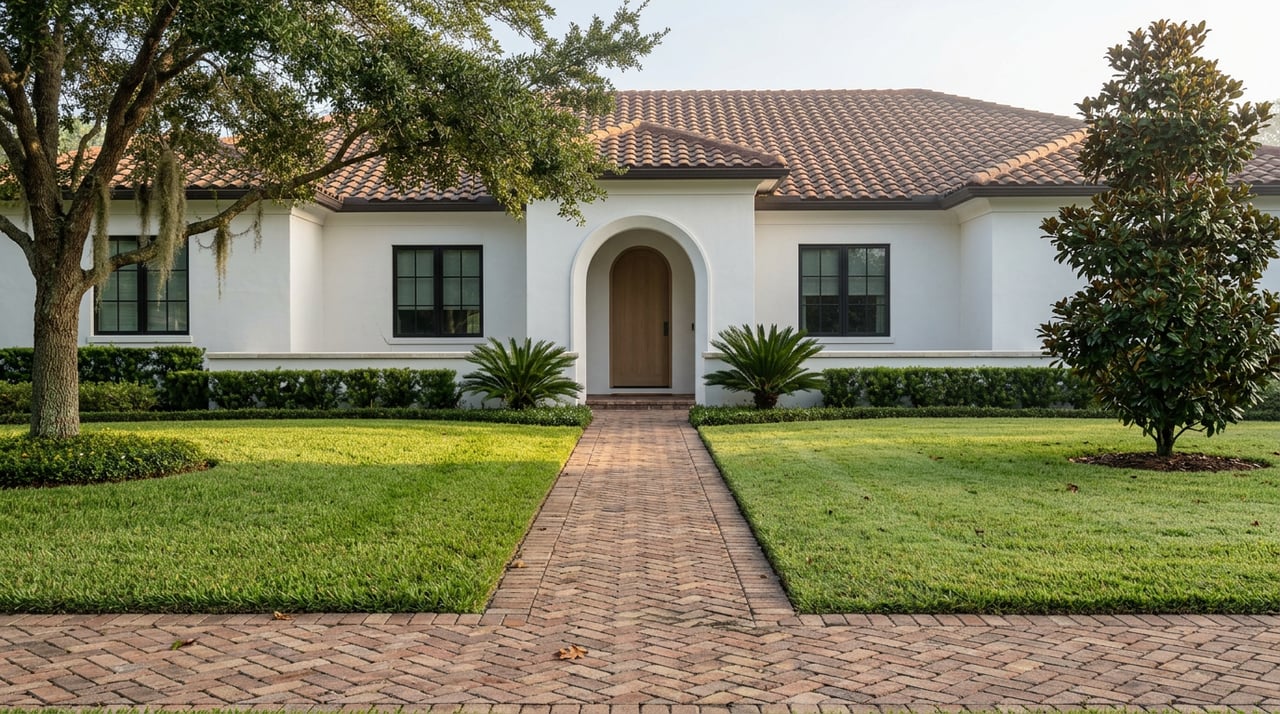
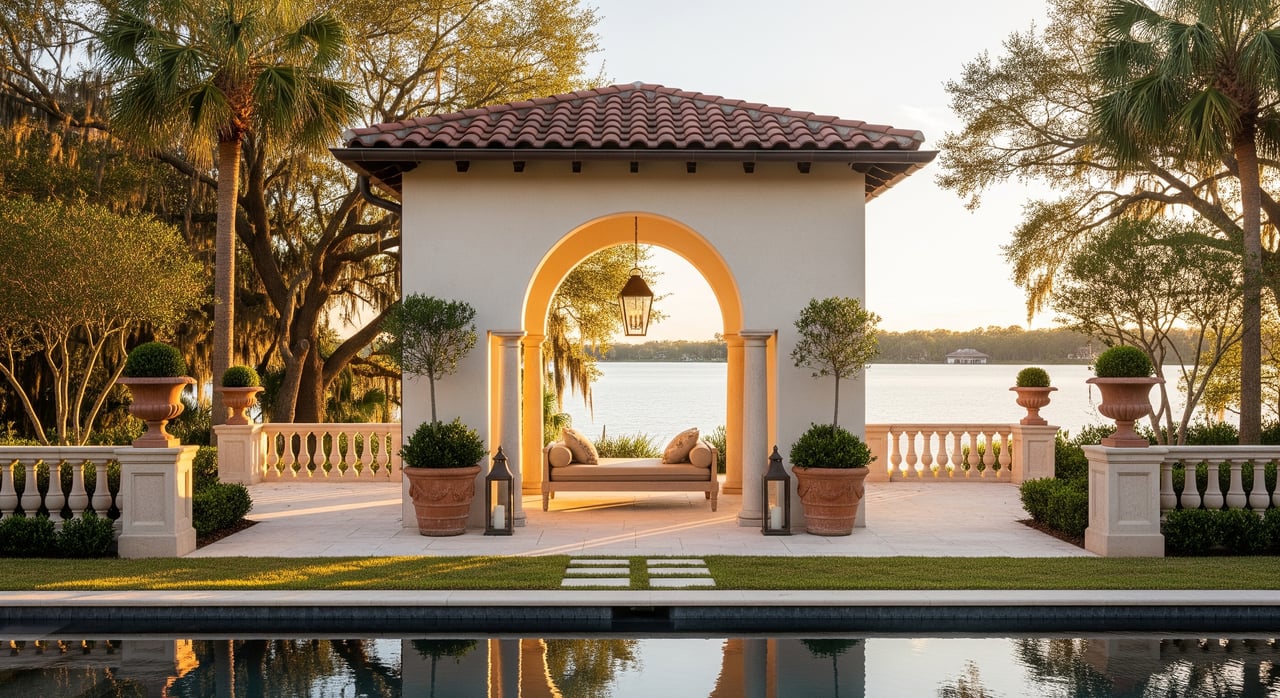
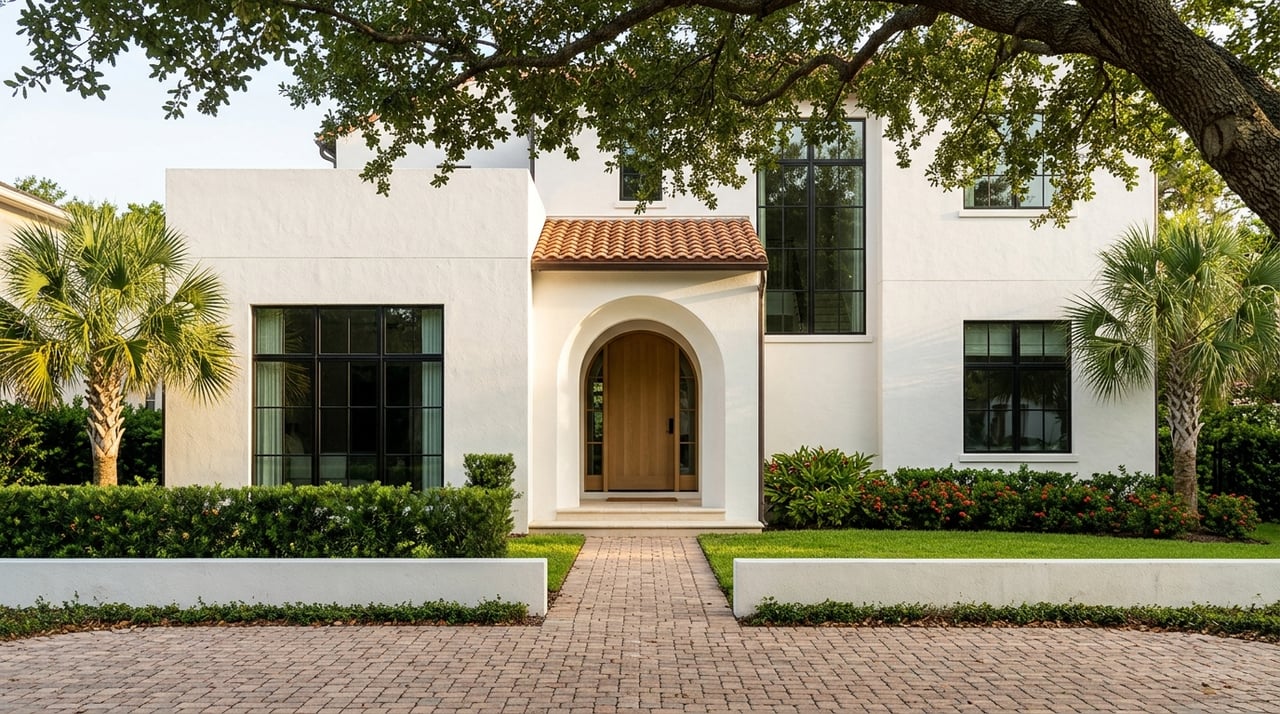
You will see a wide mix of architectural styles across the city. The local survey highlights Colonial Revival, Spanish Colonial Revival, Mediterranean Revival, Mission, and Bungalow/Craftsman homes as important parts of Winter Park’s built character.
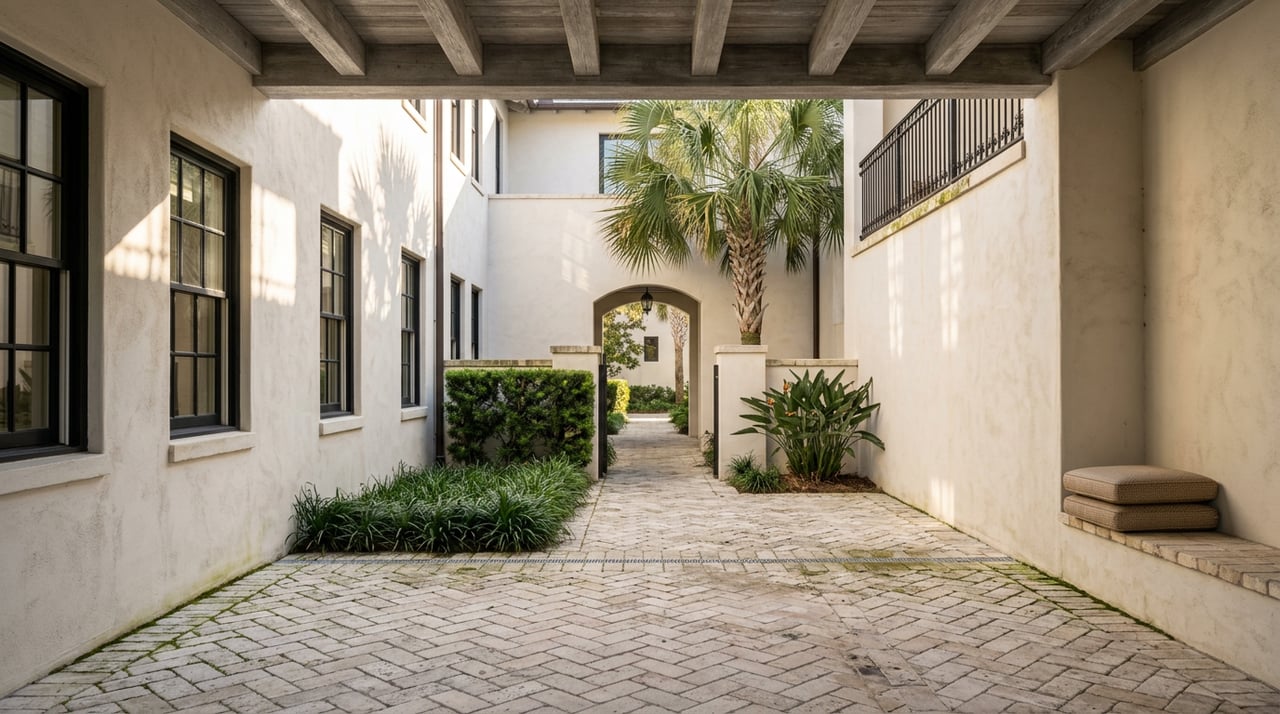
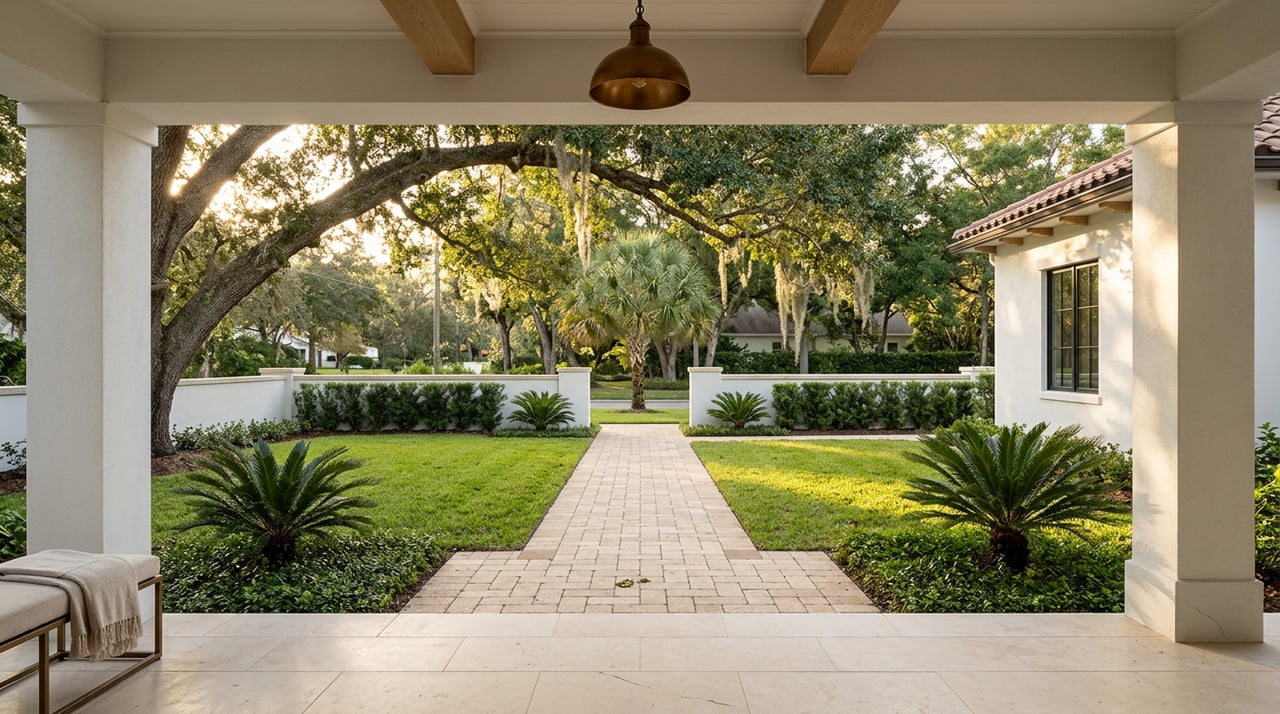
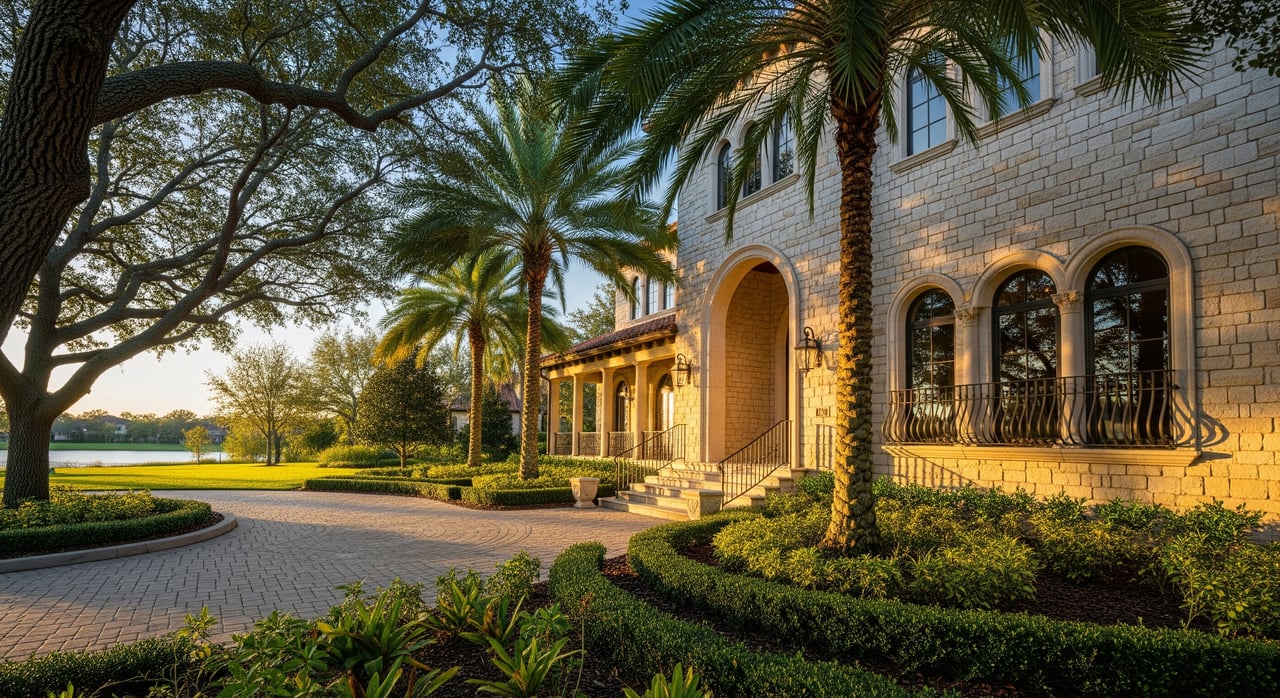
For luxury buyers, historic homes often stand out for architectural individuality, mature landscaping, and a strong connection to older streets and lakefront surroundings. If you value a home that feels tied to Winter Park’s history, this category may feel especially appealing.
Where historic character shows up
The city identifies notable historic concentrations along Virginia Drive in Ellno-Willo, Via Tuscany, Palmer Avenue, north Interlachen, Golfview Terrace, Orwin Manor, and Virginia Heights. The city’s broader historic map also identifies College Quarter, East Virginia Heights, Downtown, Interlachen, and citywide historic districts.
That does not mean every home in those areas is the same. It does mean you are more likely to encounter homes with recognizable architectural detail, older lot patterns, and a more established streetscape.
What makes a home historic
In Winter Park, a property generally must be at least 50 years old and have architectural, aesthetic, or historical value to be considered historic. That local definition matters because it shapes what may be reviewed when you plan changes to the property.
The city’s preservation ordinance is an overlay to existing zoning. According to the city, it does not affect property valuations, and there are no fees for designation or design review.
What ownership can look like
A common concern is whether designation forces you to restore a home or limit every update. In Winter Park, designation does not require owners to restore or make changes, and interior remodeling is not reviewed.
However, additions, exterior alterations, and new construction in historic districts are reviewed for compatibility. The city says additions should respect factors like height, materials, roof form, massing, setback, and the rhythm of openings.
In practical terms, historic ownership can be rewarding if you want to personalize a home carefully while preserving its overall character. It may be less appealing if you want total flexibility on exterior changes.
Maintenance expectations for older homes
Historic and older homes often come with a different maintenance rhythm than newer construction. The National Park Service says rehabilitation should preserve character-defining materials and features and repair deteriorated features rather than replace them when possible.
That philosophy can affect how you approach updates and repairs. It often favors thoughtful work over quick substitutions.
As a practical benchmark, Census Bureau data cited in the research report found that owners of older homes spent a median of $1,800 per year on upkeep, while new owners of older homes spent a median of $3,900 annually. That upkeep includes items like painting, plumbing, roofing, and minor repairs.
New luxury homes in Winter Park
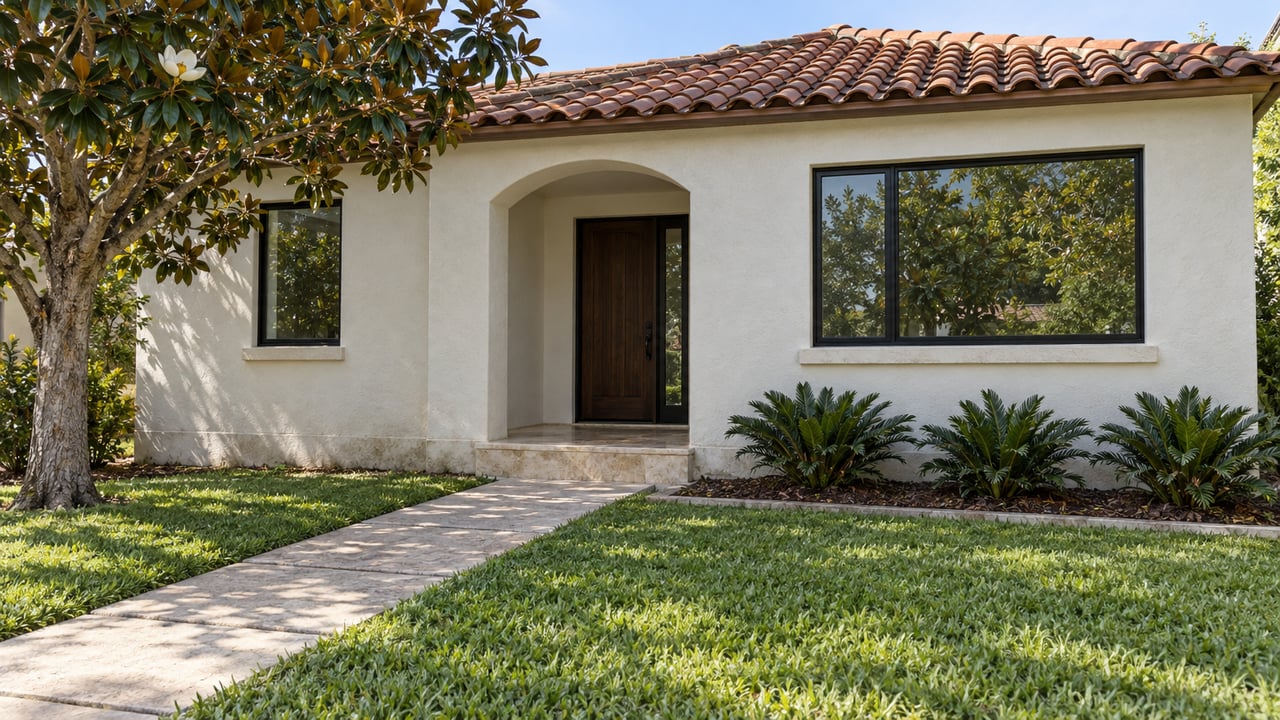
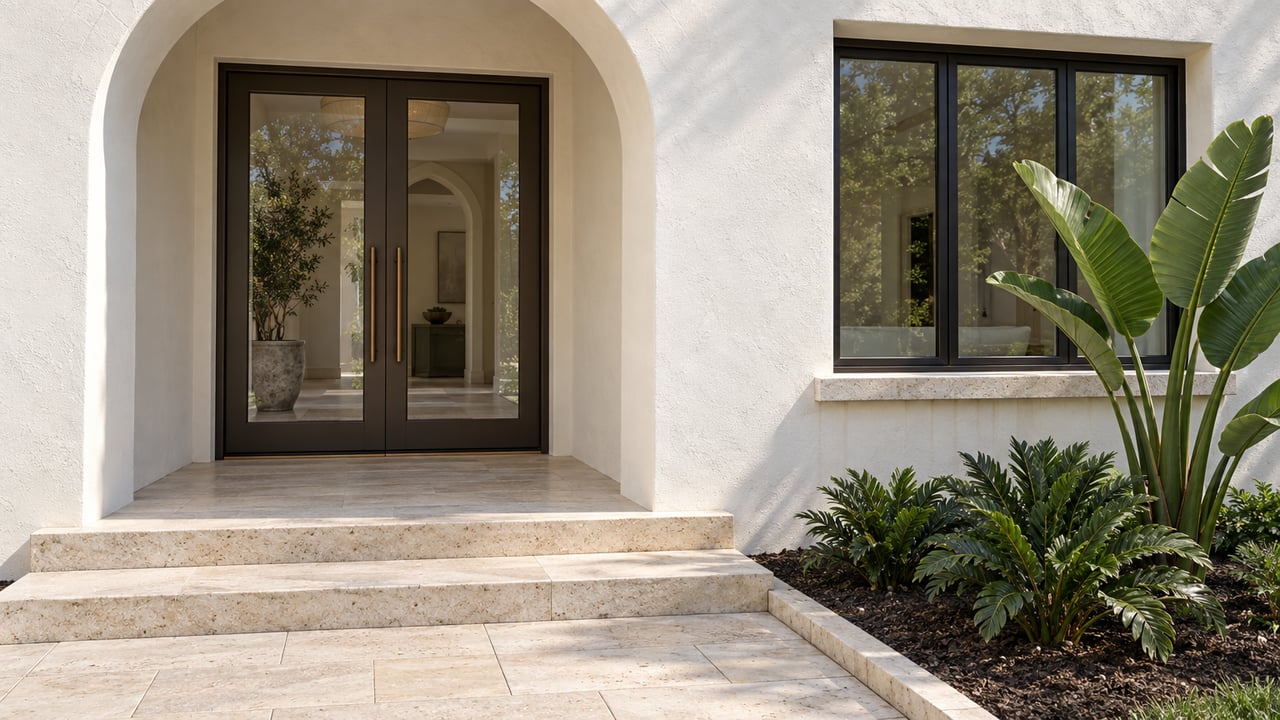
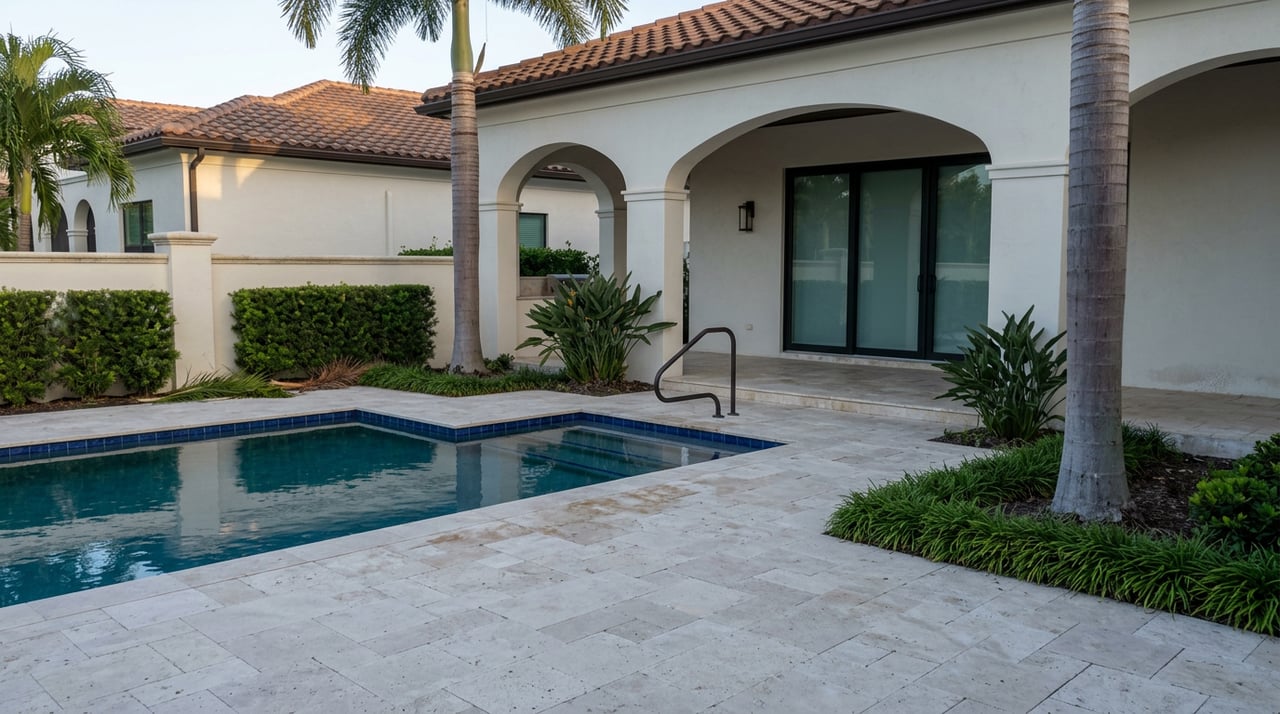
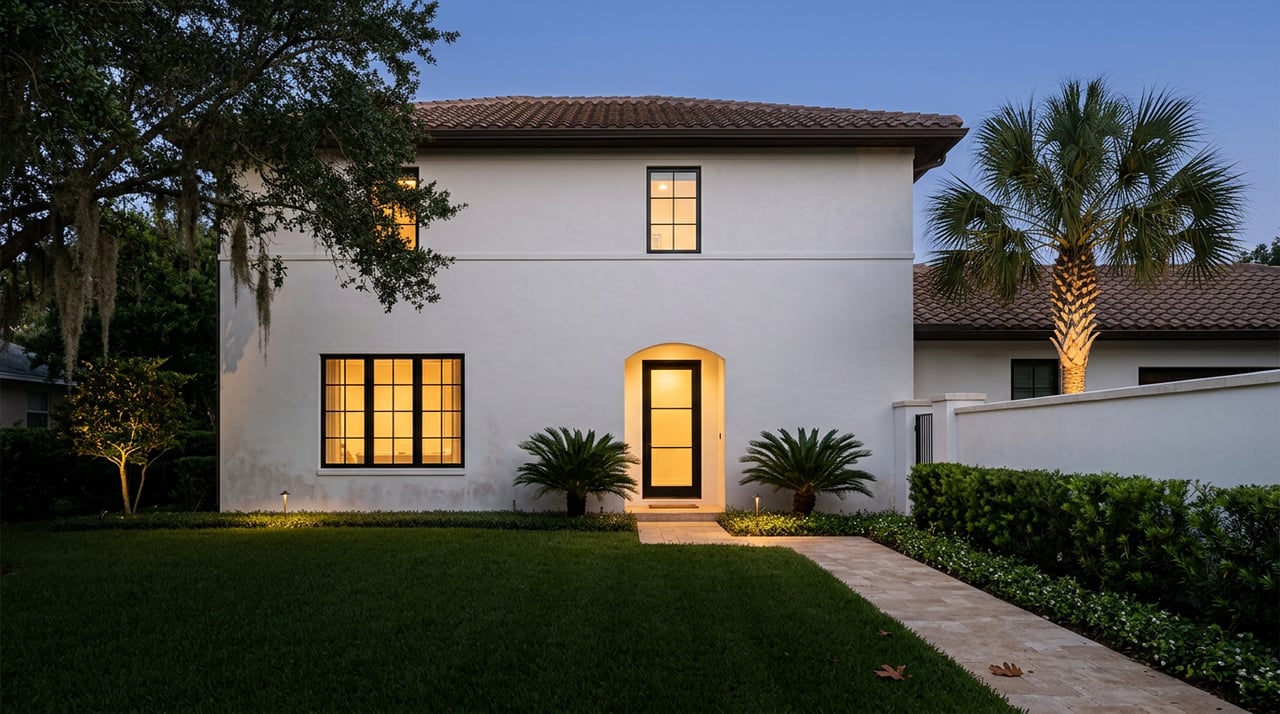
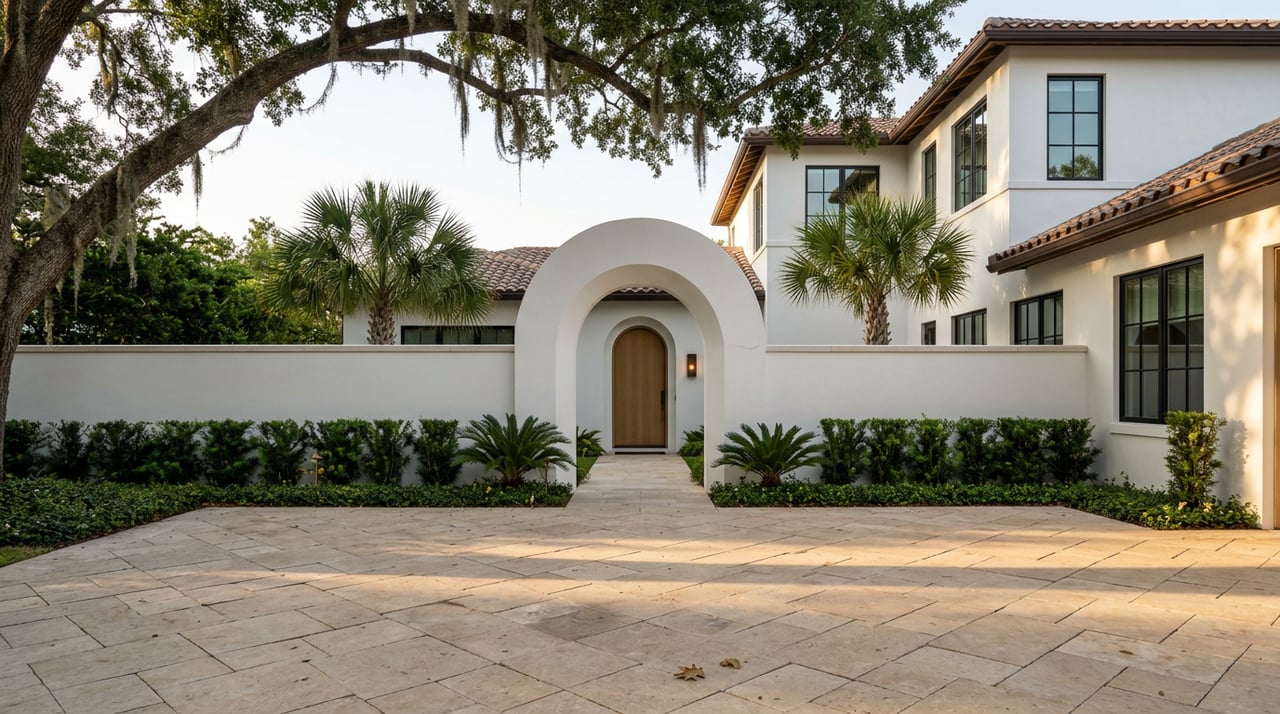
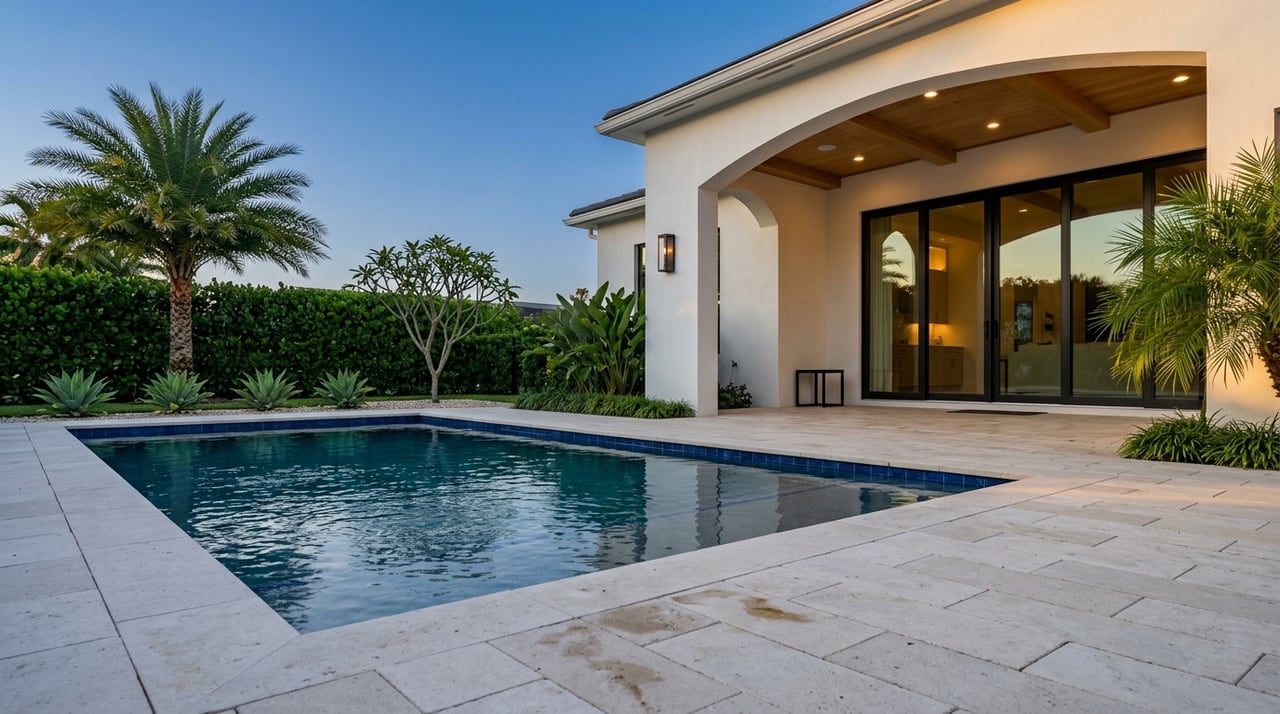
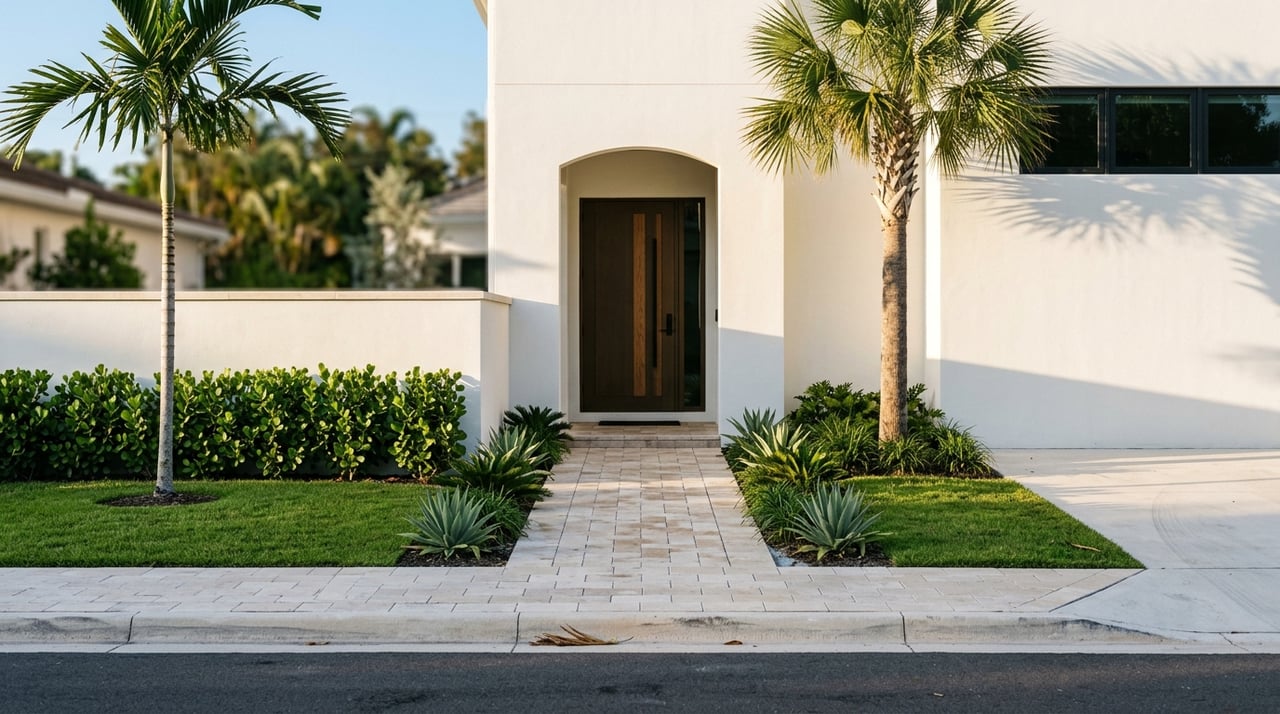
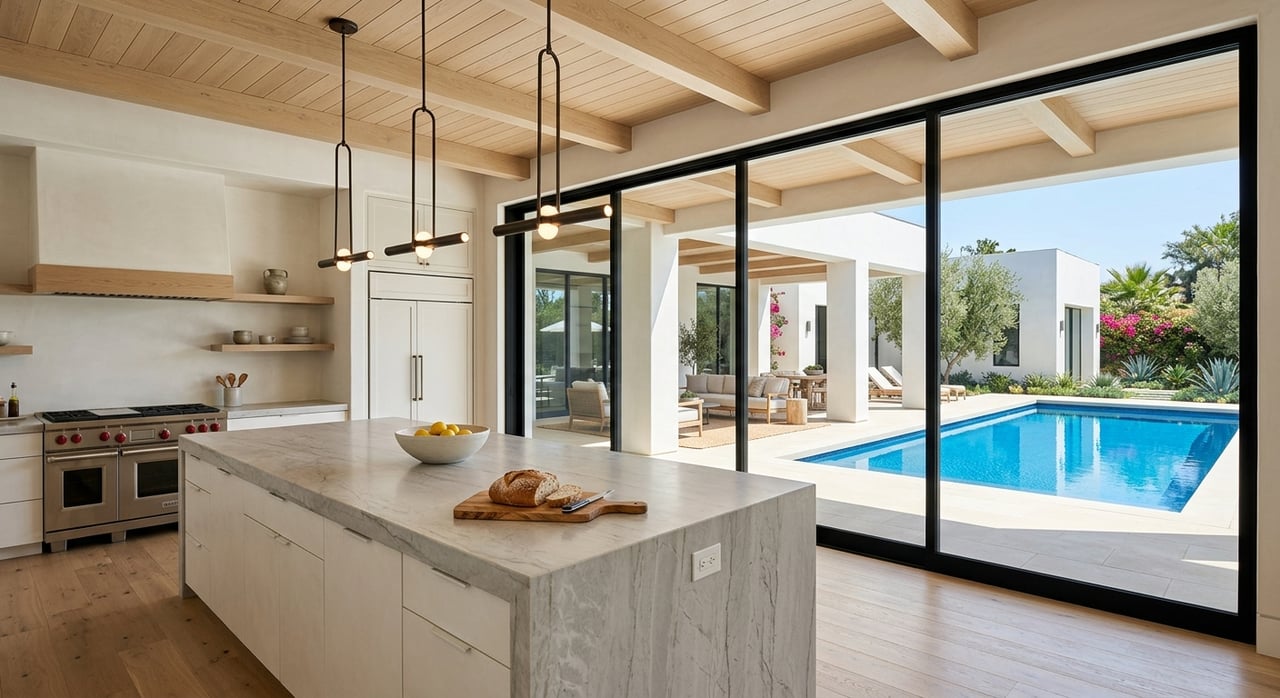
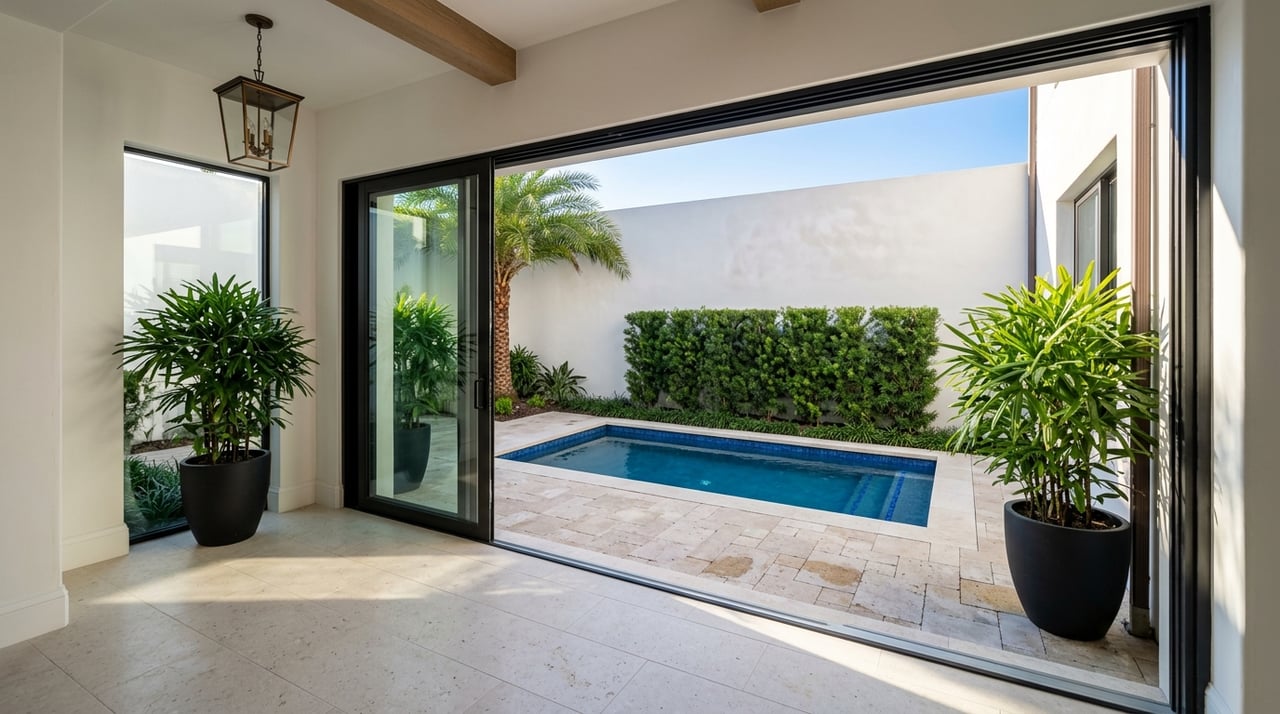
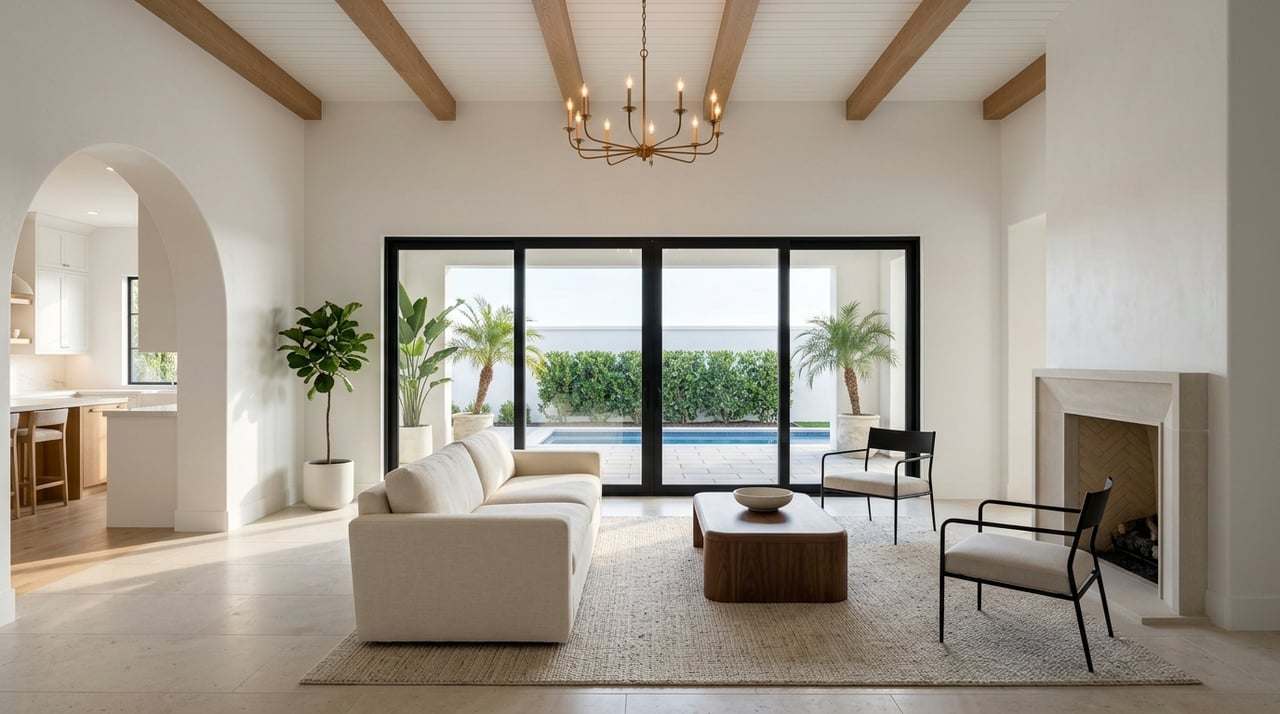
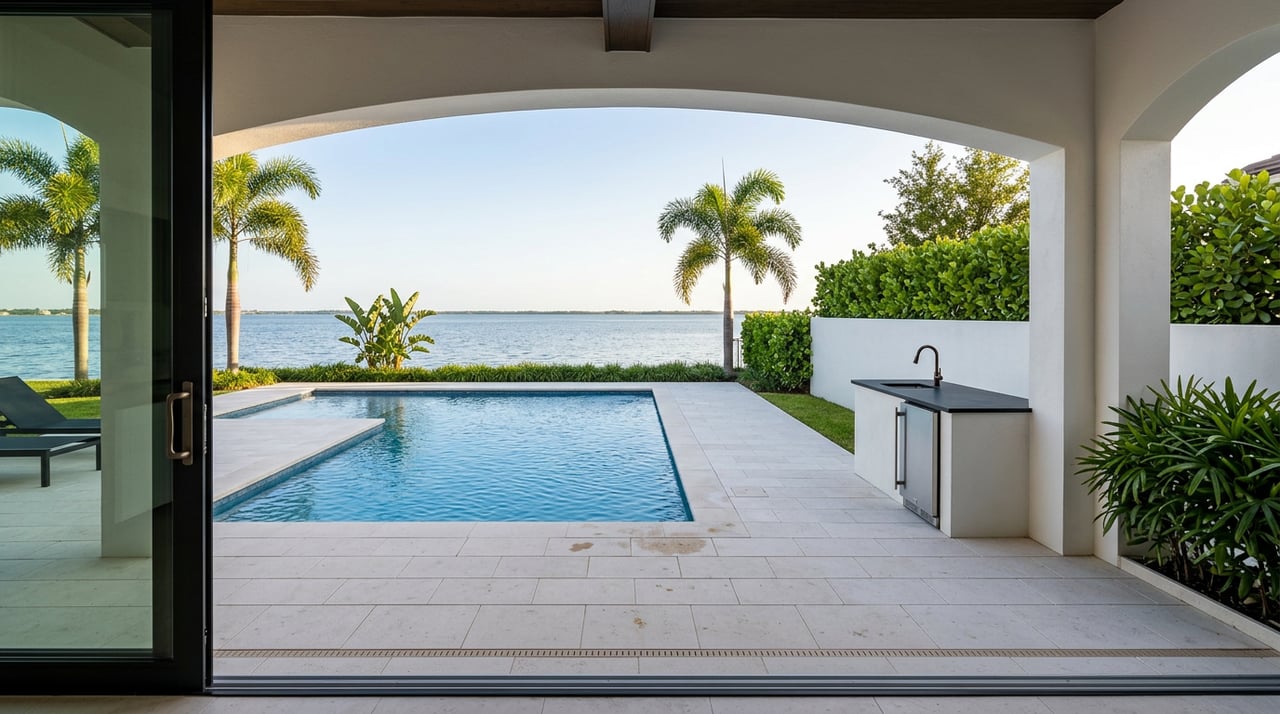
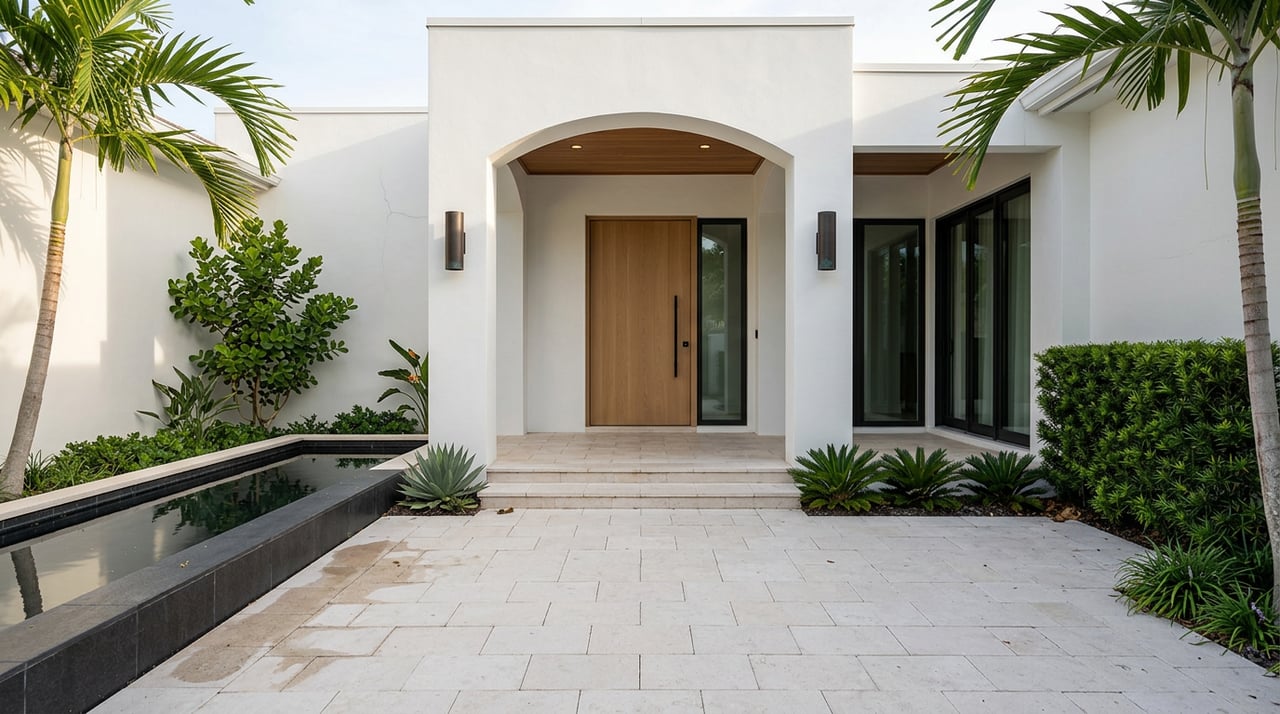
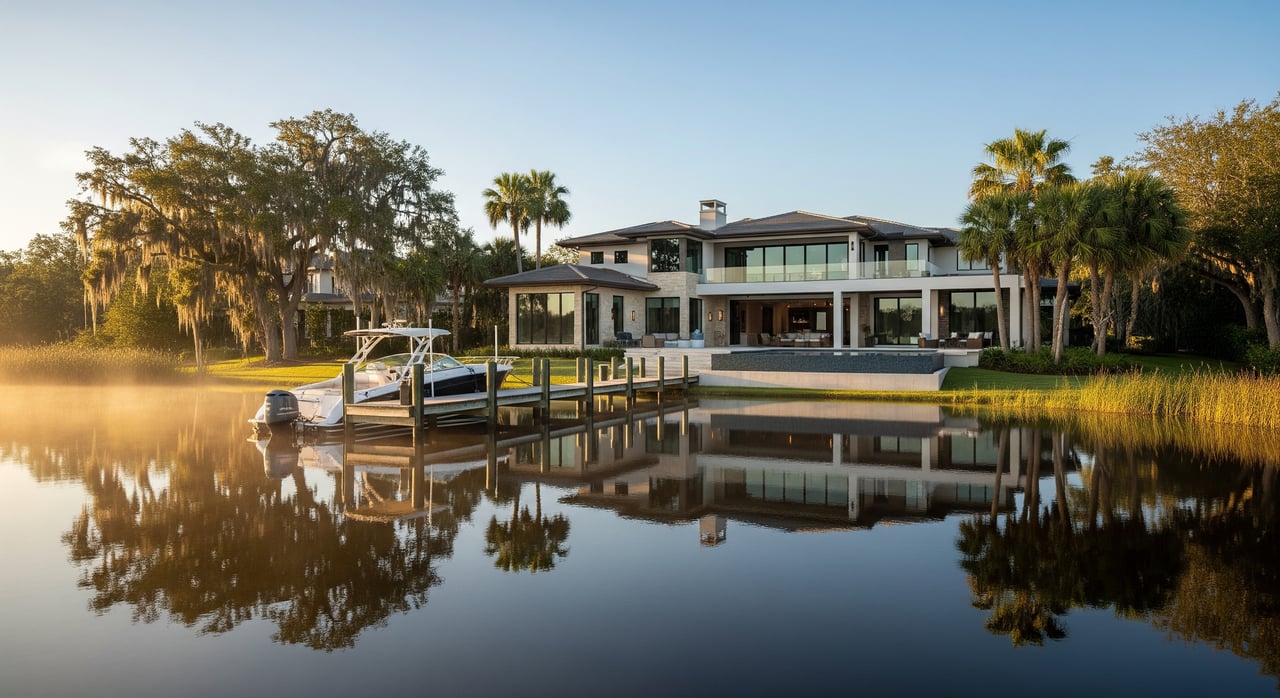
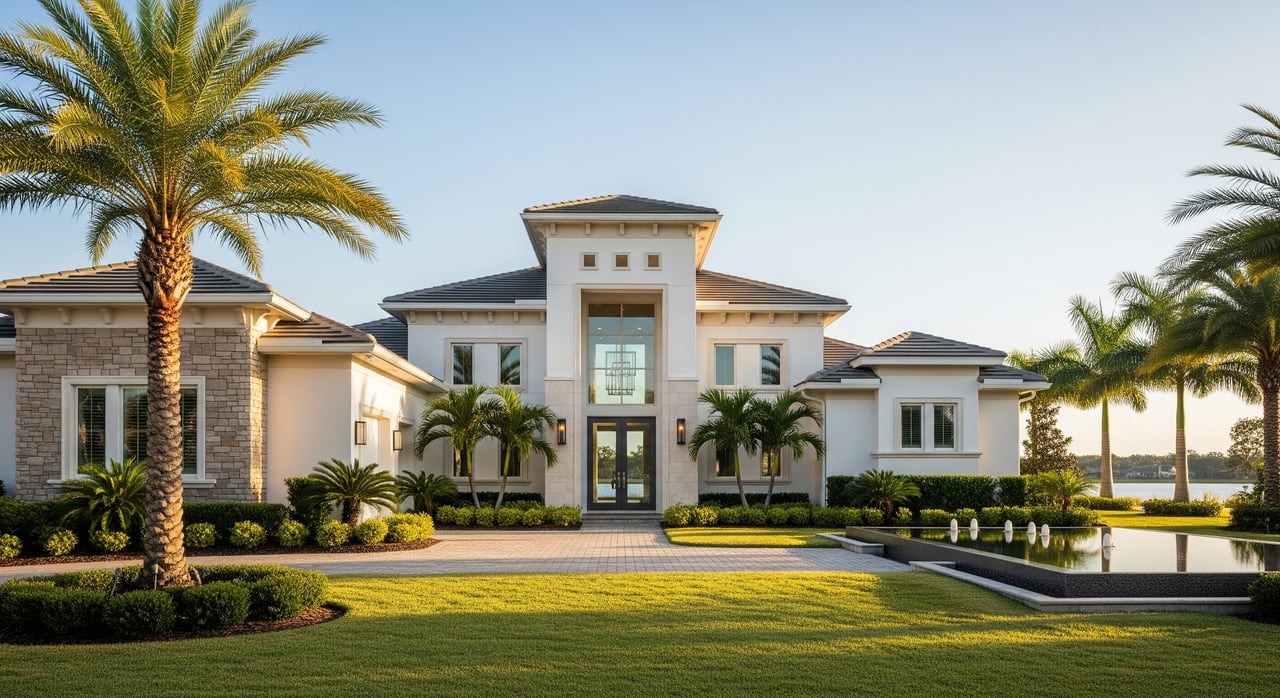
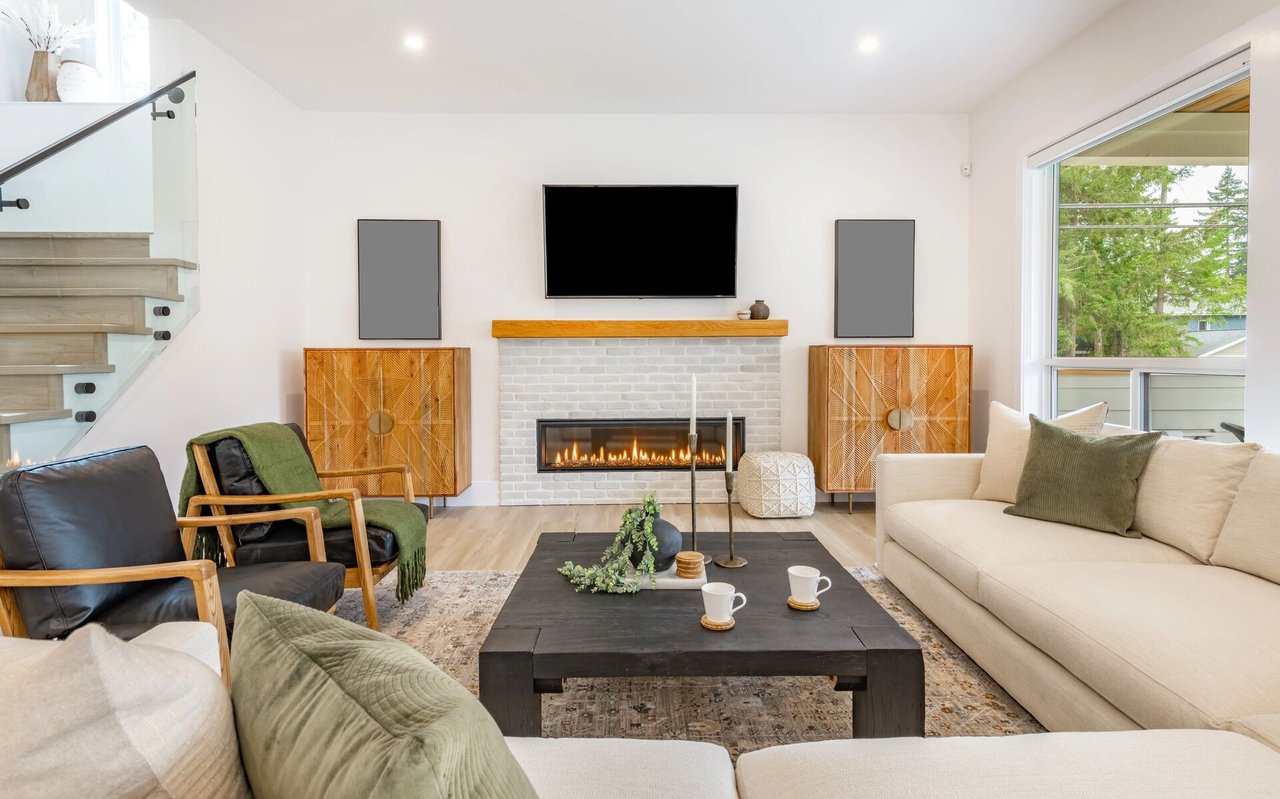
New luxury homes in Winter Park offer a different kind of value. If you want contemporary layouts, current systems, and a more streamlined ownership experience, new construction may be the better fit.
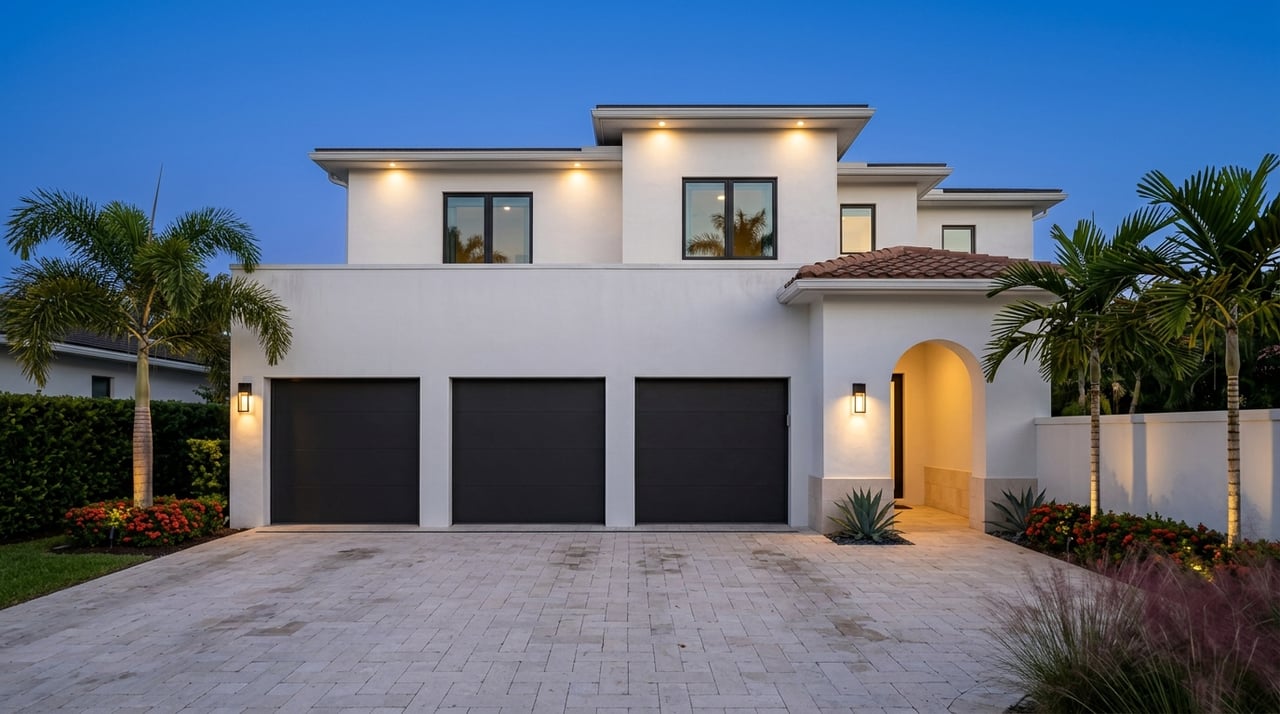
In Winter Park, newer luxury inventory often appears as infill or redevelopment rather than large new community development. That is important because even many new homes are still shaped by the scale and context of established neighborhoods.
How new construction fits the city
Winter Park’s building department handles permits, plan review, and inspections for active construction-related work in accordance with Florida building codes. That gives buyers a clearer framework for how new homes are reviewed and built.
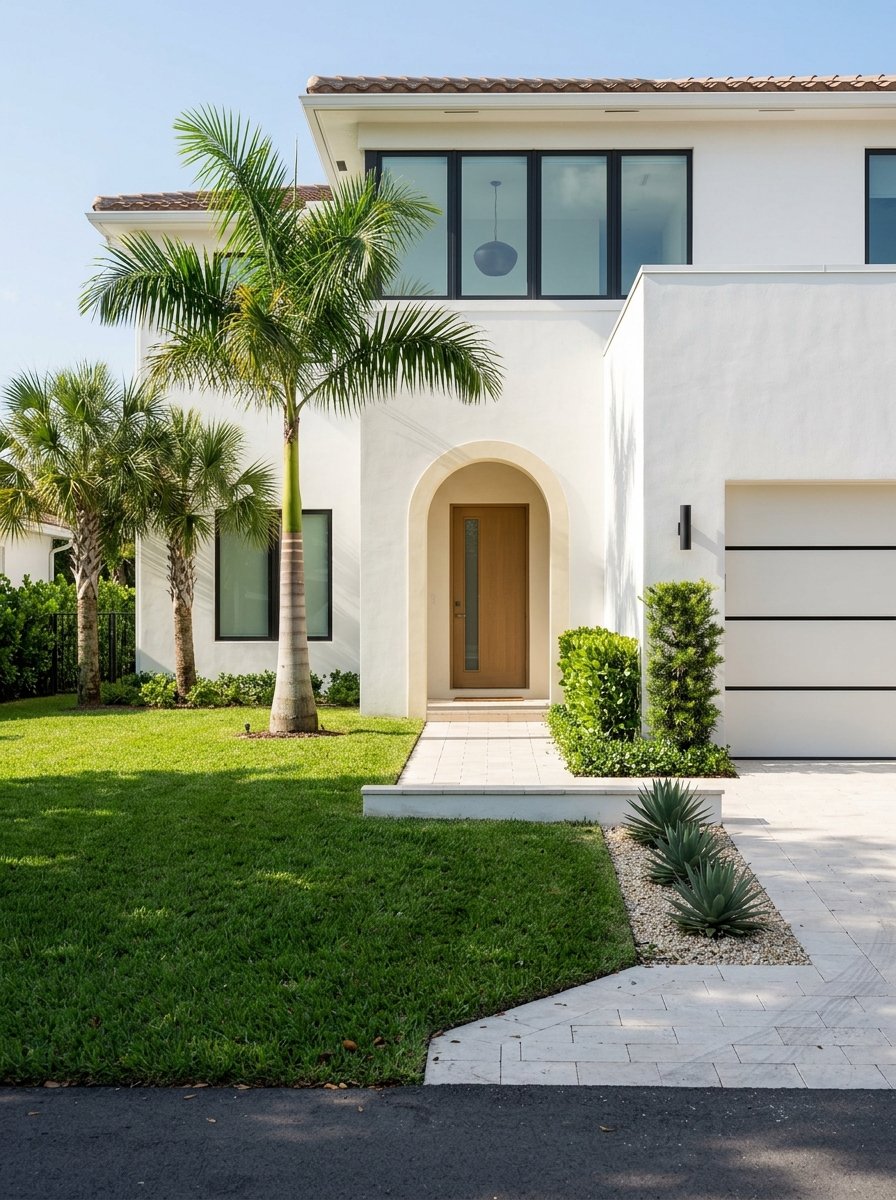
The city also makes clear that new construction can happen within a historic district without copying historic architecture exactly. Instead, it should complement the district’s traditional patterns.
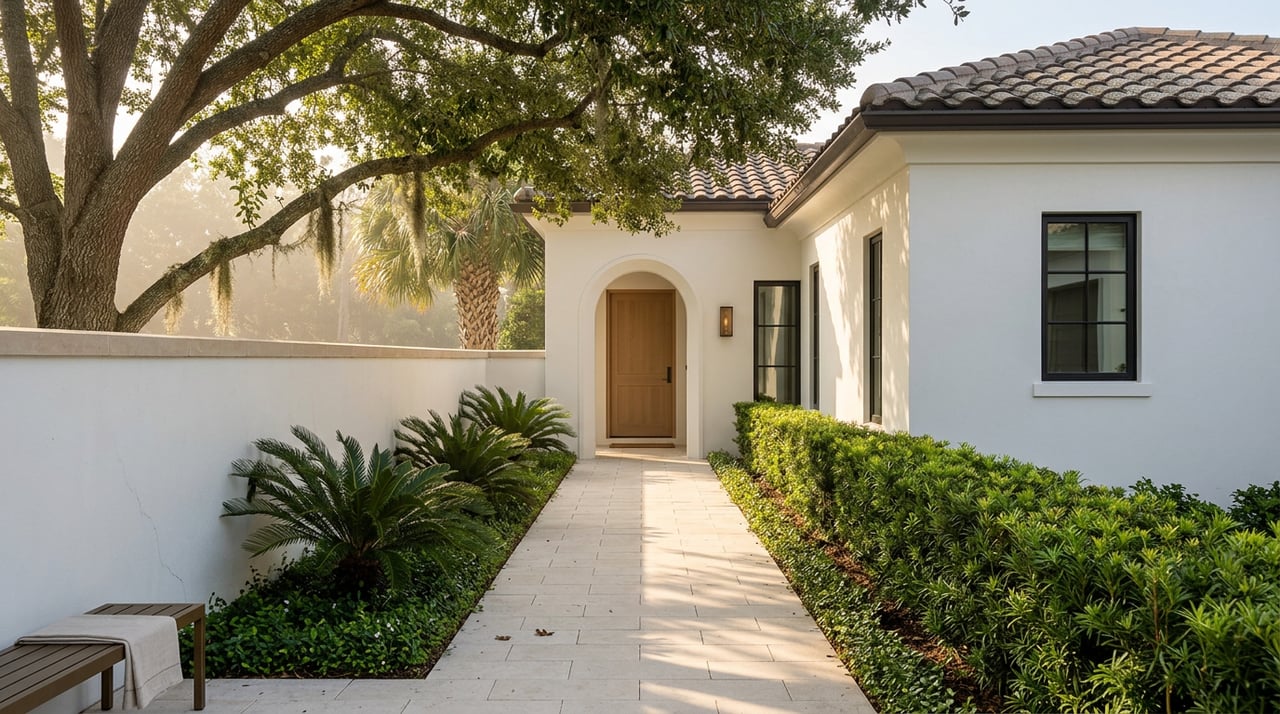
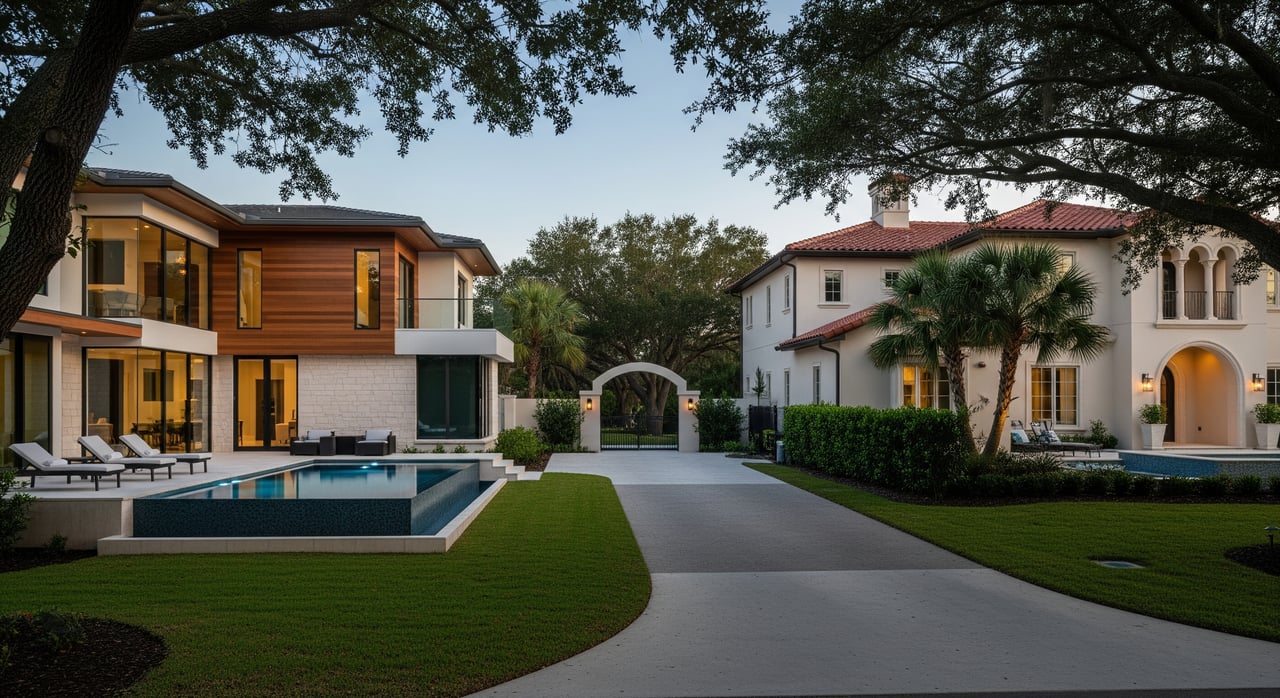
That creates an interesting middle ground. You may find a newer home with fresh finishes and a modern floor plan that still respects the look and scale of the surrounding streetscape.
Why buyers choose new homes
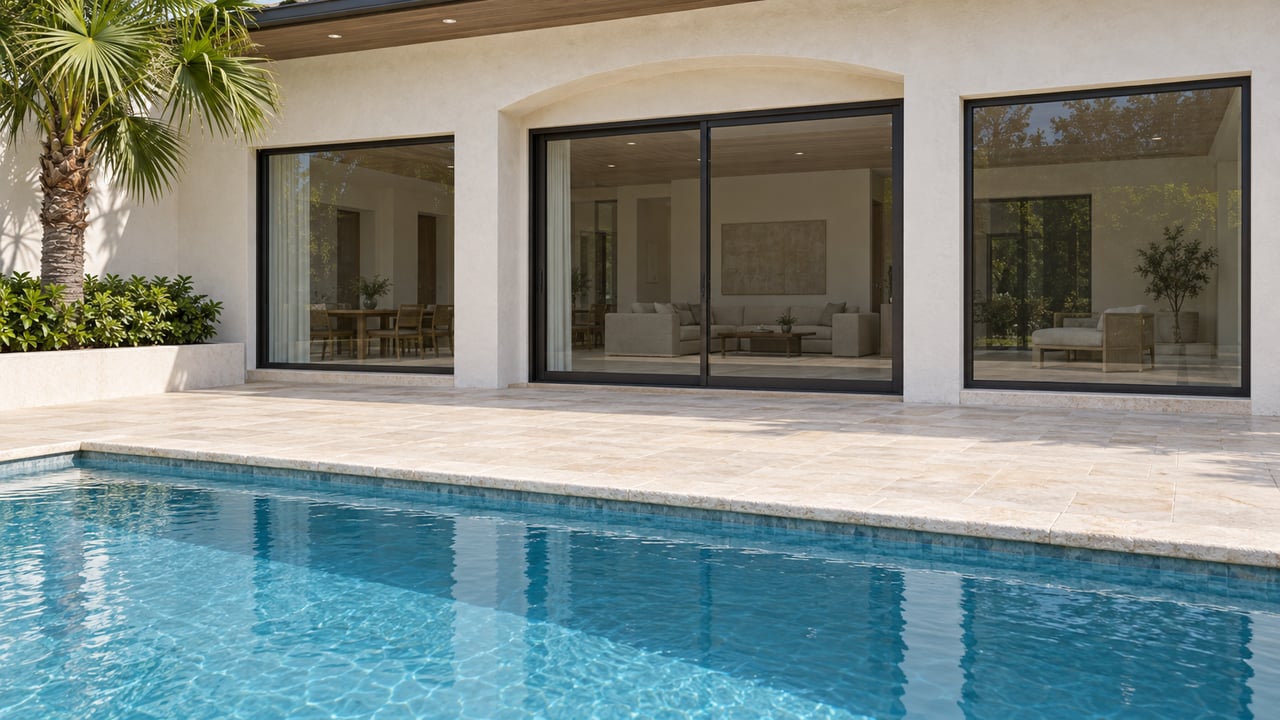
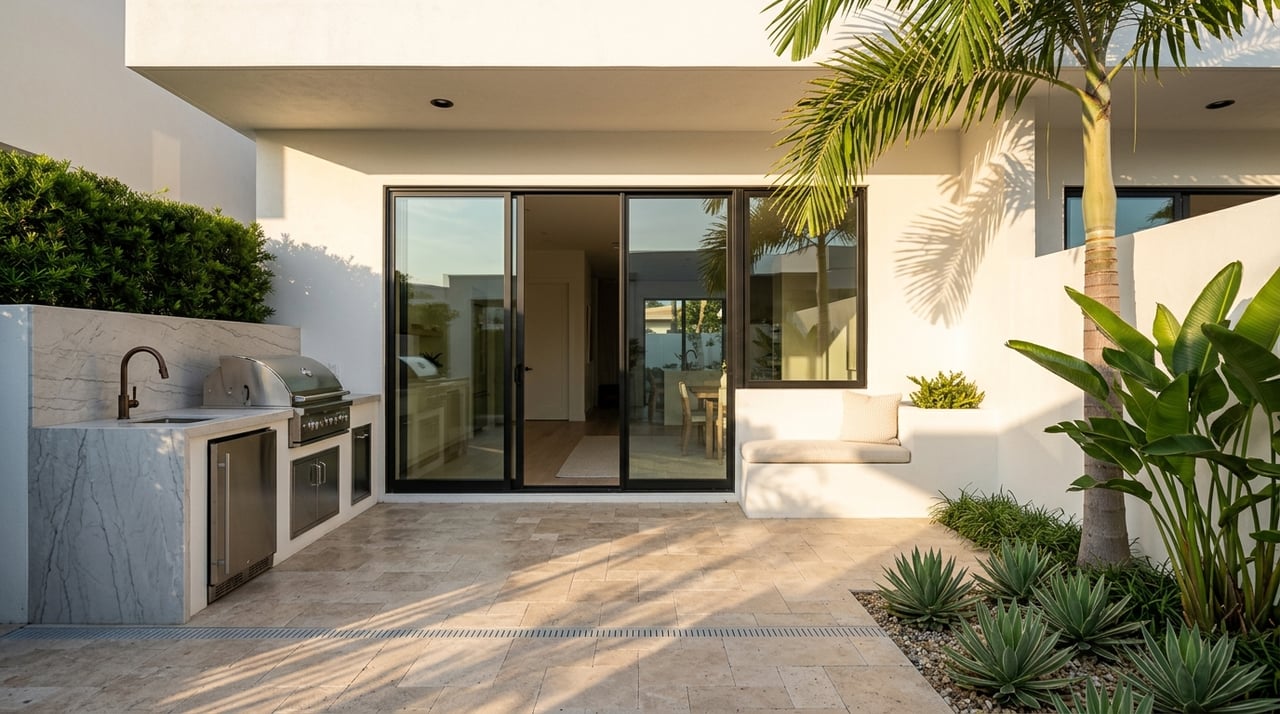
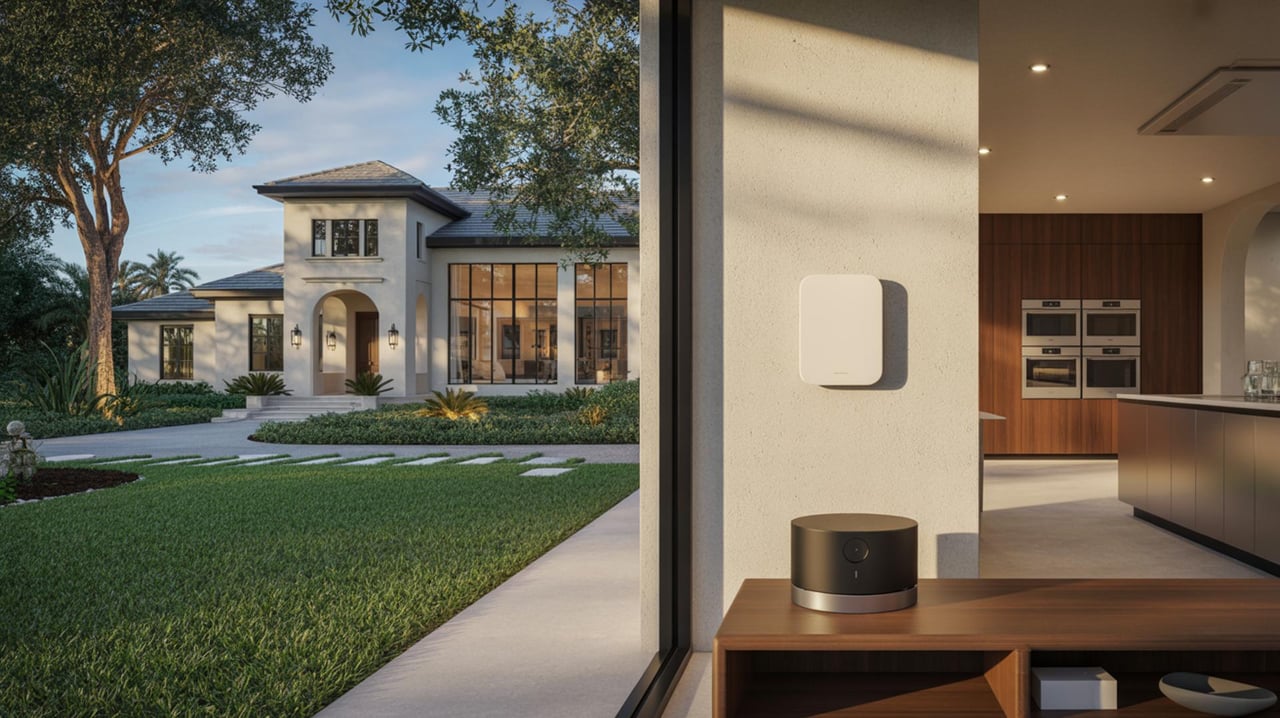
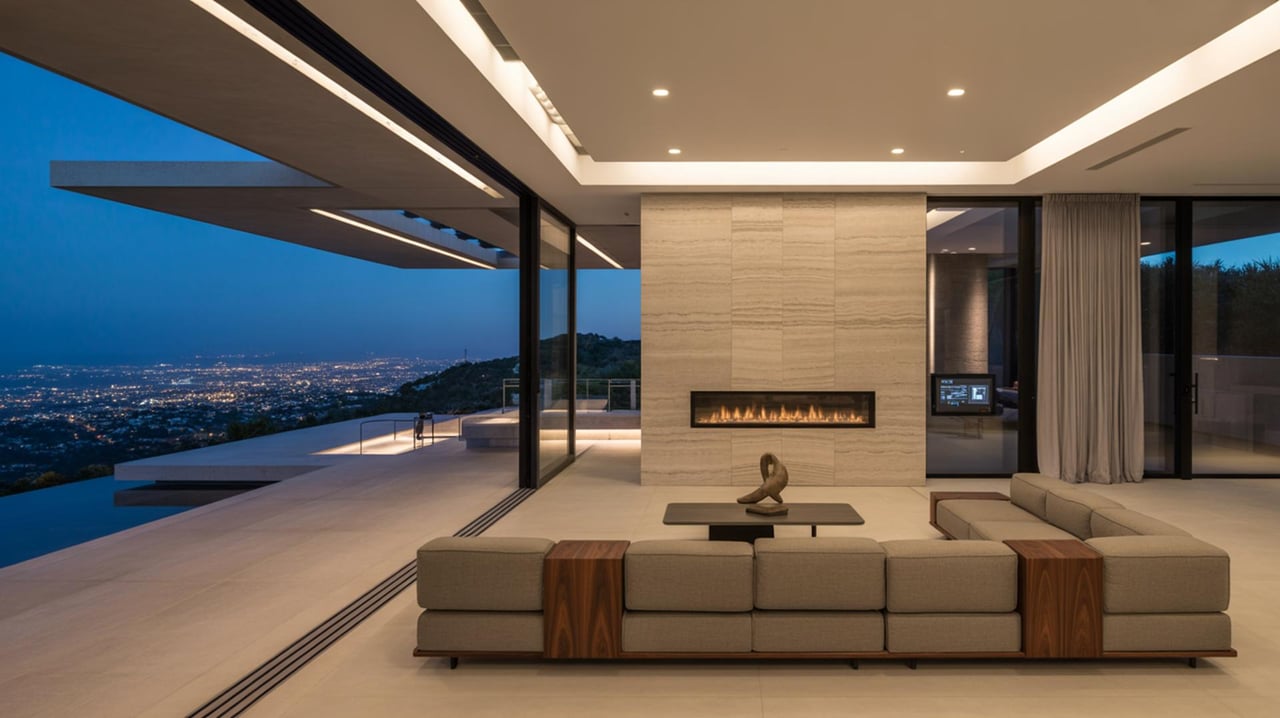
Newer homes generally appeal to buyers who want a more current way of living. That can include open living areas, newer mechanical systems, and fewer exterior design constraints compared with a designated historic property.
For some buyers, that ease is the deciding factor. If your schedule is busy or you prefer a lower-maintenance ownership experience, new construction can feel more aligned with your lifestyle.
The tradeoff to consider
The main tradeoff is straightforward. New homes often deliver function and convenience, while historic homes often deliver depth of character and a stronger link to Winter Park’s architectural story.
Neither option is automatically better. The right choice depends on what matters most to you day to day.
Historic versus new at a glance
Here is a simple way to compare the two paths in Winter Park.
| Factor | Historic Luxury Home | New Luxury Home |
|---|---|---|
| Character | Strong architectural individuality and legacy appeal | Clean, current design and newer finishes |
| Setting | Often in established streetscapes with mature landscaping | Often infill or redevelopment in existing neighborhoods |
| Layout | May reflect earlier design eras | More likely to feature contemporary floor plans |
| Renovation rules | Exterior changes in historic districts may be reviewed | Generally fewer preservation-related exterior constraints |
| Maintenance | Often requires more ongoing upkeep planning | Typically less preservation-heavy ownership |
| Buyer fit | Best for buyers who value history and a sense of place | Best for buyers who prioritize ease and current systems |
What helps resale in 32789
In Winter Park, resale appeal is not just about whether a home is historic or newly built. The city’s preservation page says historic preservation helps maintain property values and that buyers appreciate the unique, authentic character and materials of historic properties.
At the same time, the current 32789 market backdrop suggests a more balanced environment. In that kind of market, resale strength is likely to depend more on location, condition, lot quality, architectural coherence, and pricing than on the label alone.
That is why a well-positioned historic home and a well-executed new home can both perform strongly. Buyers tend to respond to homes that feel true to their setting and well cared for.
How to choose the right fit
If you are deciding between historic and new, start with your lifestyle rather than your wish list. The home that looks best in photos is not always the one that feels easiest to own over time.
A practical framework can help:
- Choose historic if you want legacy architecture, established neighborhoods, and the ability to renovate within preservation rules.
- Choose new construction if you want current systems, contemporary floor plans, and fewer exterior design constraints.
- Choose either one only if the home’s style, lot, and neighborhood context match your long-term lifestyle and maintenance tolerance.
That last point matters most. In Winter Park luxury real estate, the strongest purchase is usually the one that fits how you want to live for years, not just what feels exciting today.
Why local guidance matters
In a market with lakefront streets, historic overlays, and luxury infill, details matter. Two homes with similar price points can offer very different ownership realities depending on design review, lot context, and renovation potential.
That is where experienced local guidance becomes valuable. A thoughtful comparison goes beyond finishes and square footage and looks closely at what each property means for your daily life, your timeline, and your long-term goals.
If you are weighing a classic Winter Park residence against a newer custom home, The Hazera Team can help you evaluate both with the discretion, market insight, and white-glove guidance that luxury buyers expect.
FAQs
What is considered a historic home in Winter Park, FL?
- In Winter Park, a property generally must be at least 50 years old and have architectural, aesthetic, or historical value to be considered historic.
Do historic homes in Winter Park require special approval for renovations?
- Interior remodeling is not reviewed, but additions, exterior alterations, and new construction in historic districts are reviewed for compatibility.
Are new luxury homes common in Winter Park 32789?
- New luxury homes exist in 32789, but they often appear as infill or redevelopment rather than in large new greenfield communities.
Which has better resale appeal in Winter Park: historic or new homes?
- In the current 32789 market, resale appeal is likely to depend more on location, condition, lot quality, architectural coherence, and pricing than on whether a home is historic or newly built.
Why do buyers choose historic homes in Winter Park?
- Buyers often choose historic homes for architectural individuality, mature landscaping, established neighborhoods, and a stronger sense of place tied to Winter Park’s history.
Why do buyers choose new construction homes in Winter Park?
- Buyers often choose new construction for contemporary floor plans, current systems, and a less preservation-heavy ownership experience.