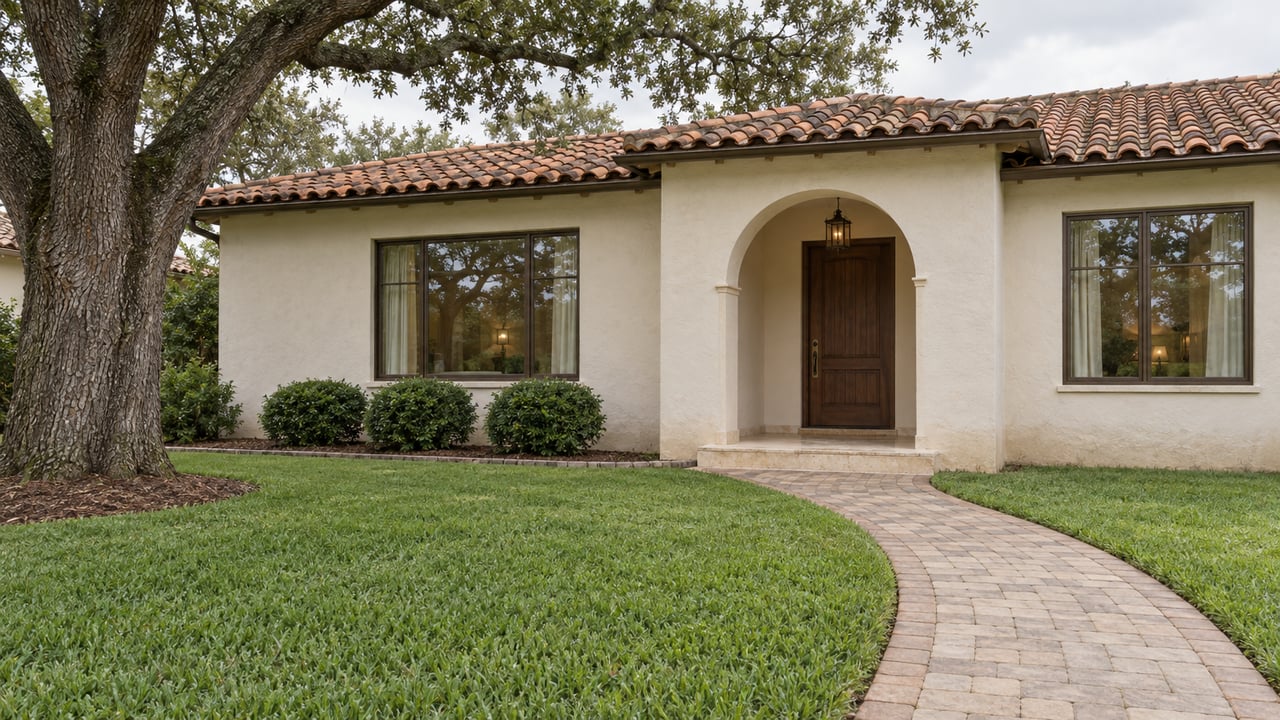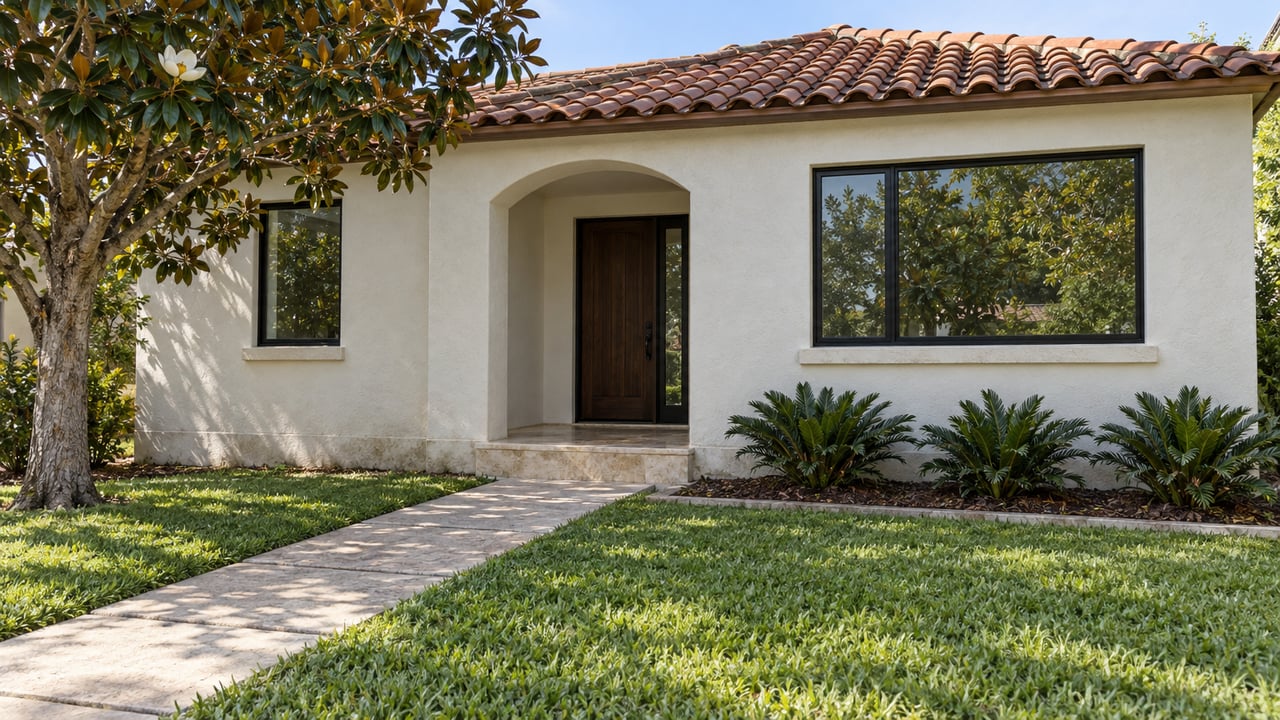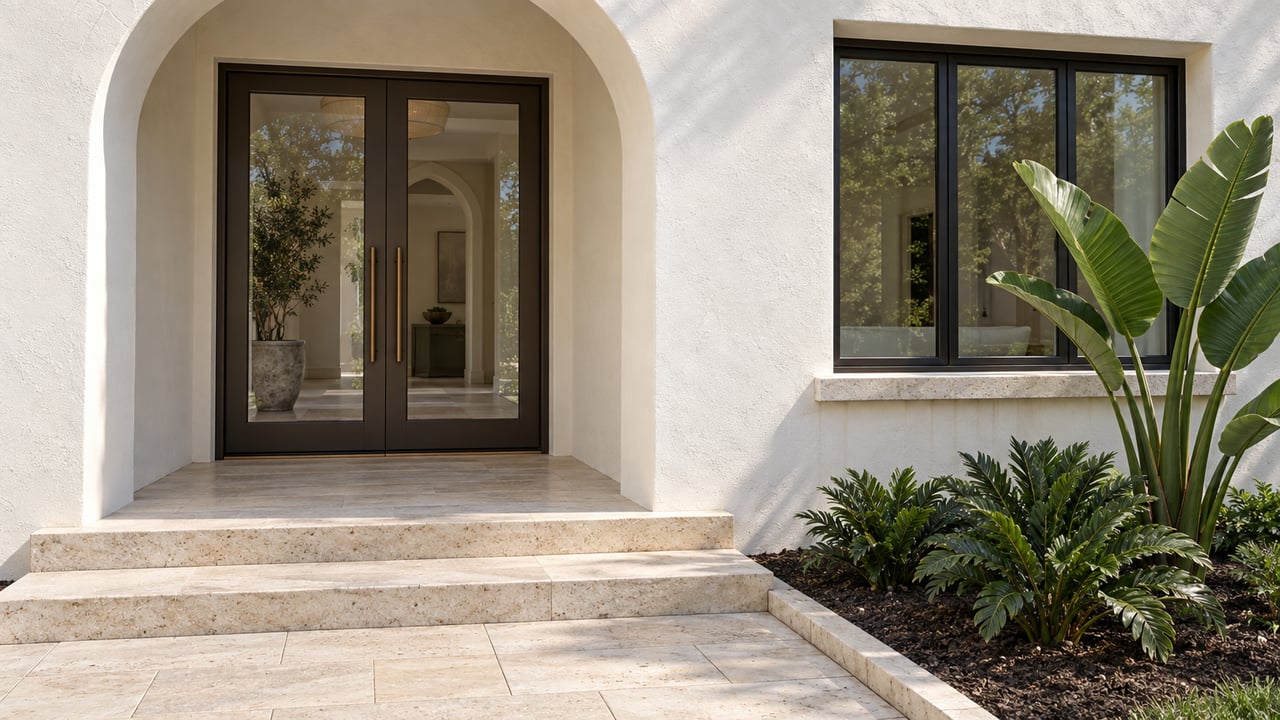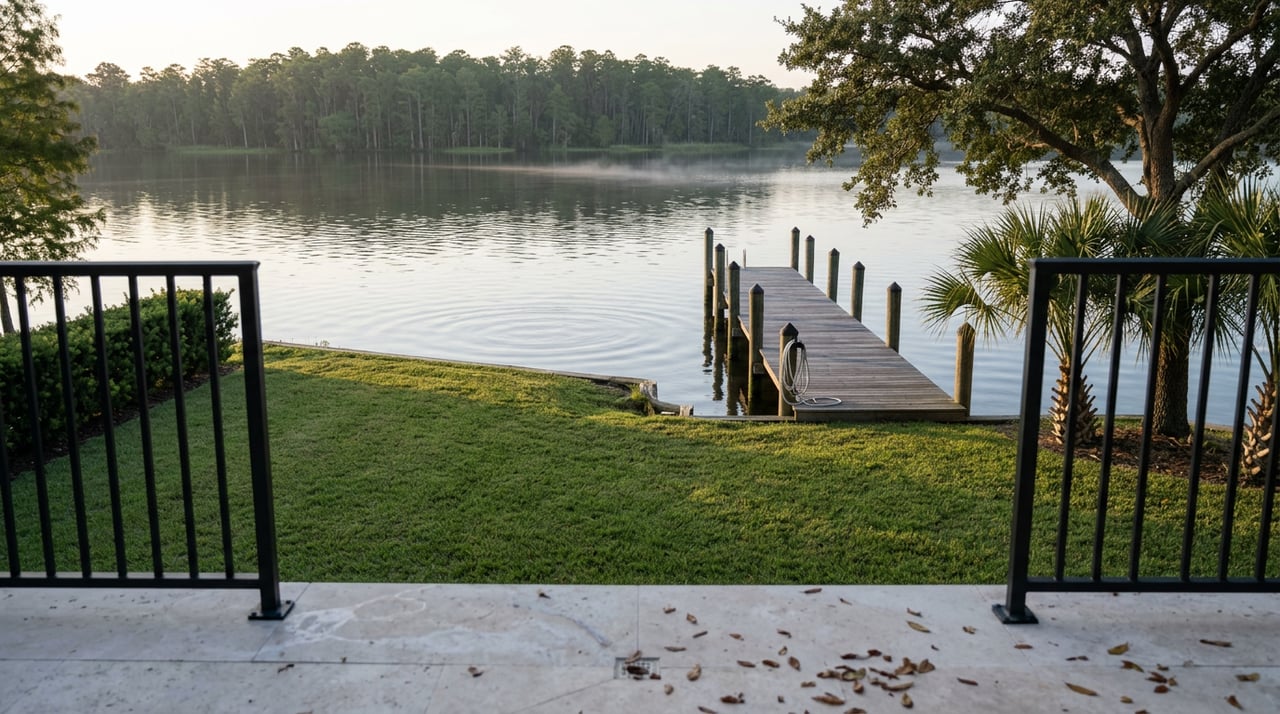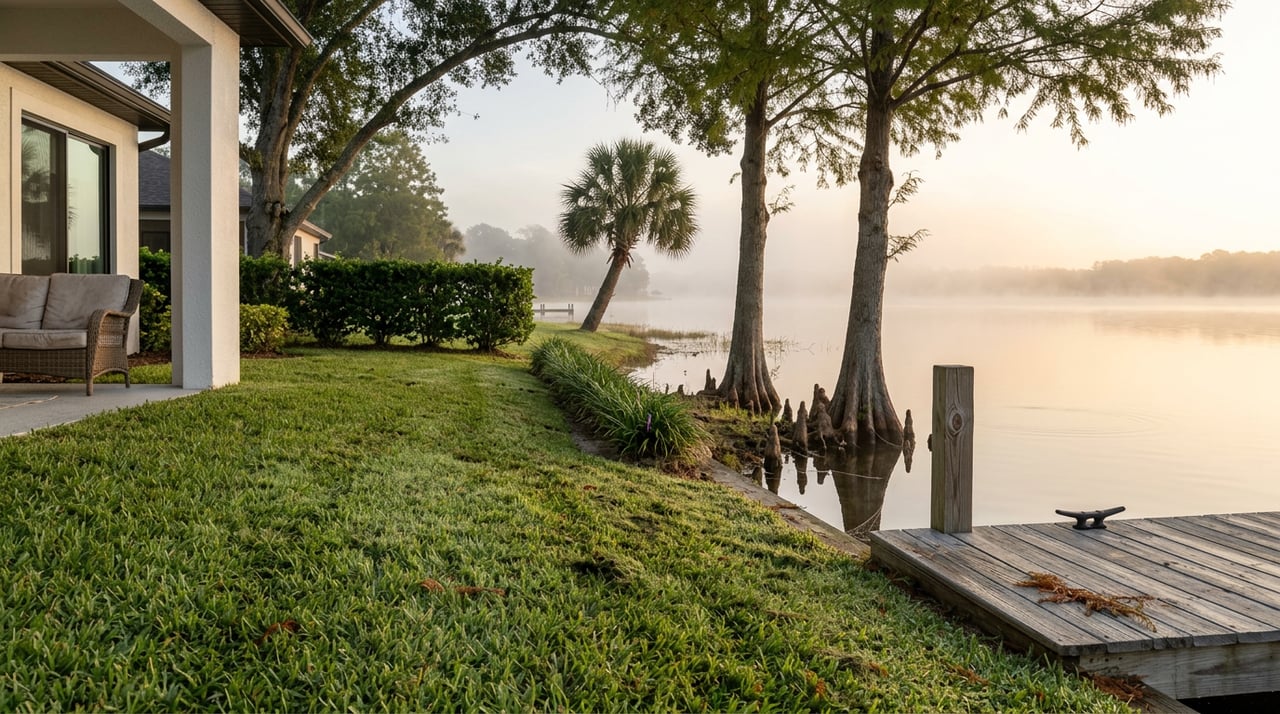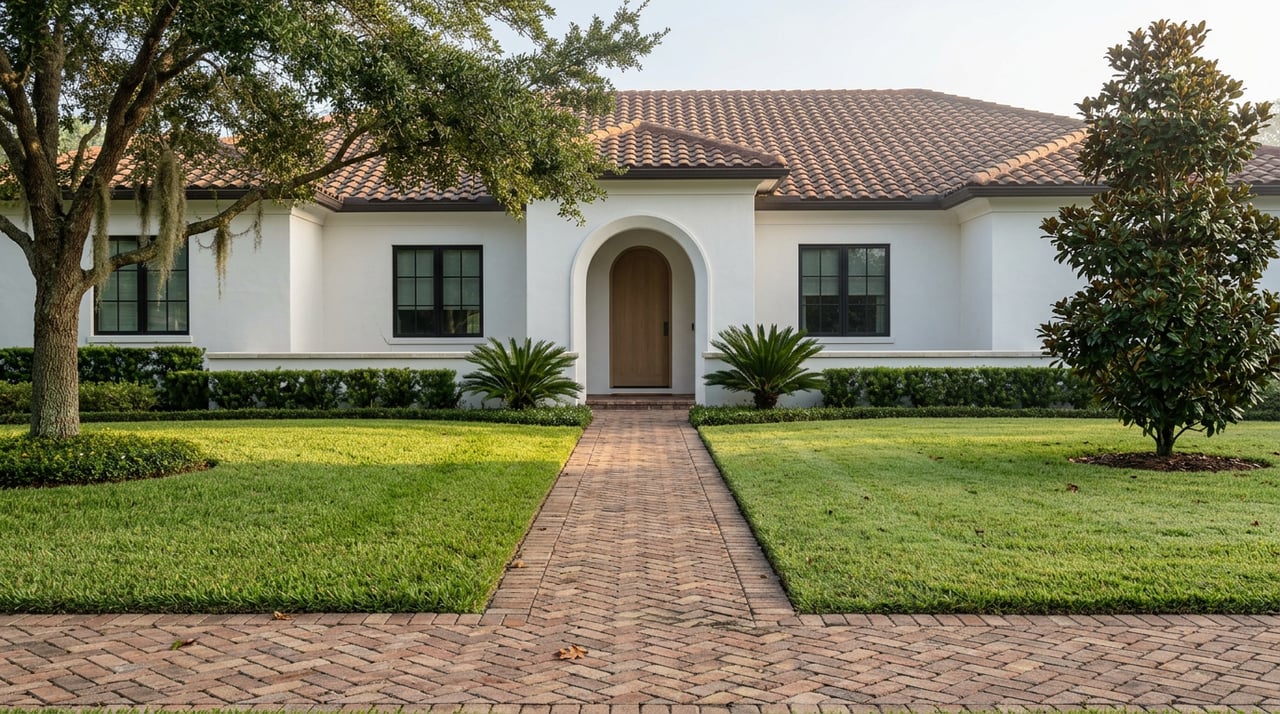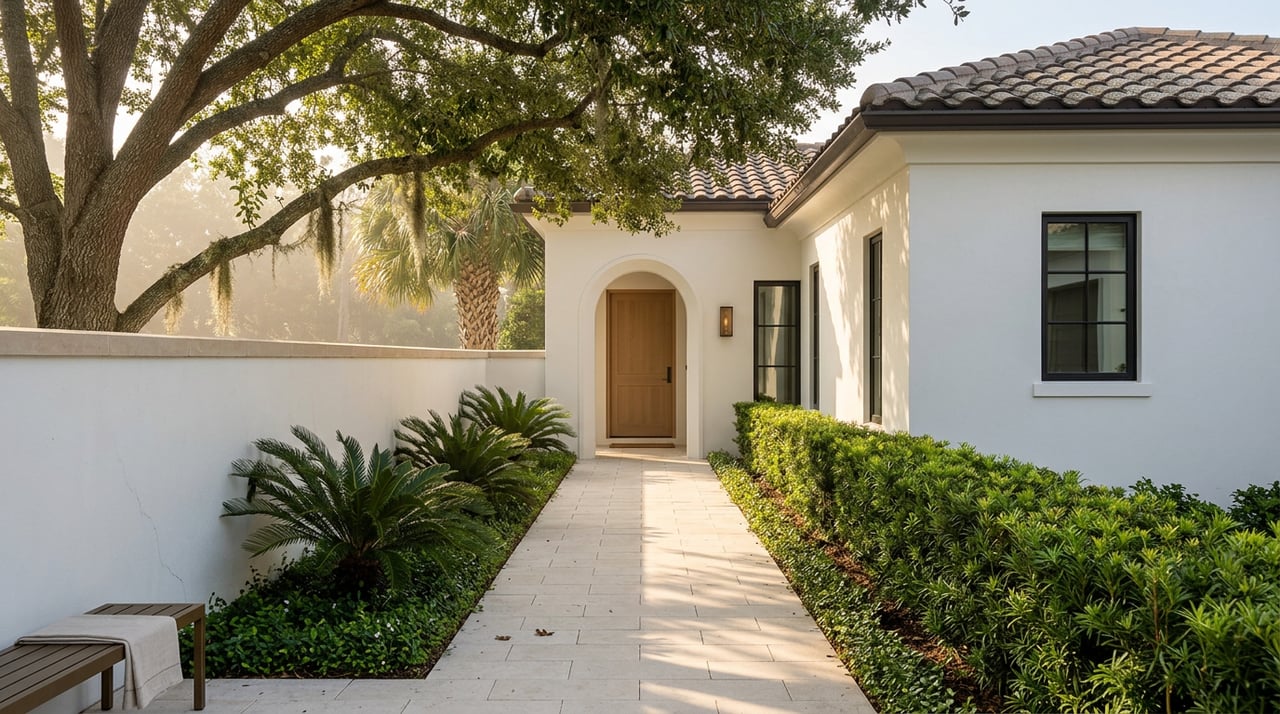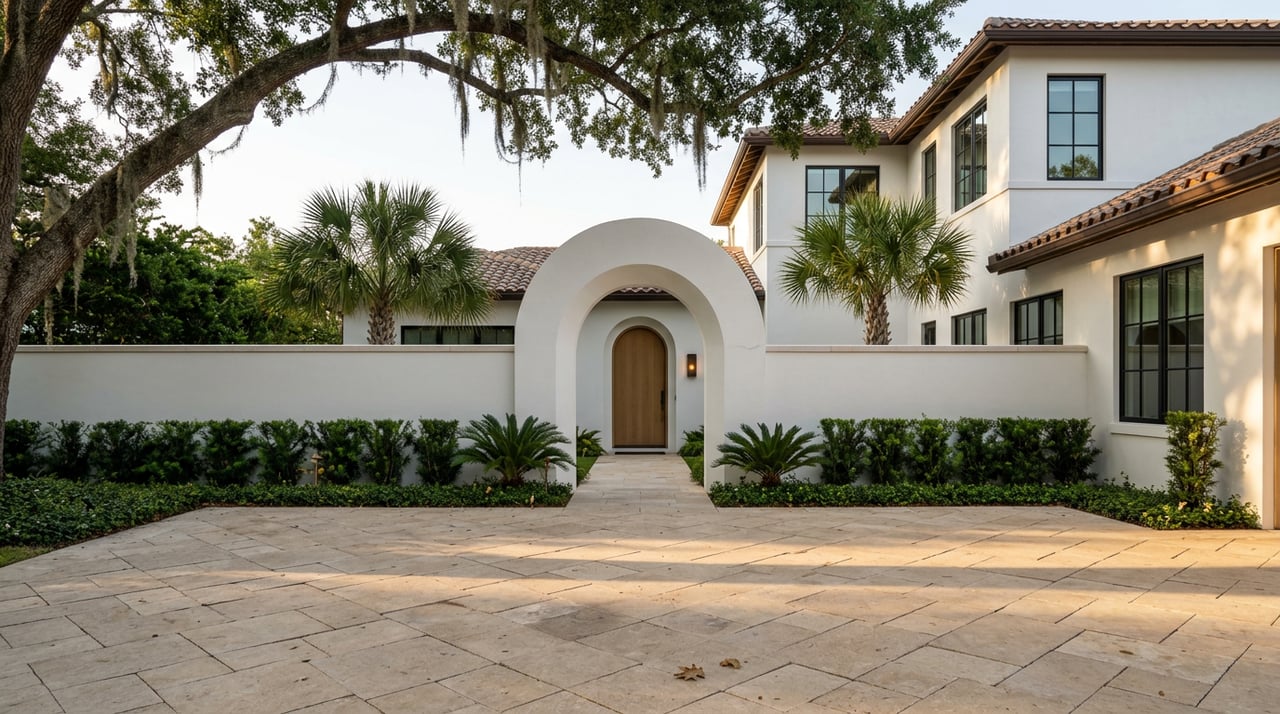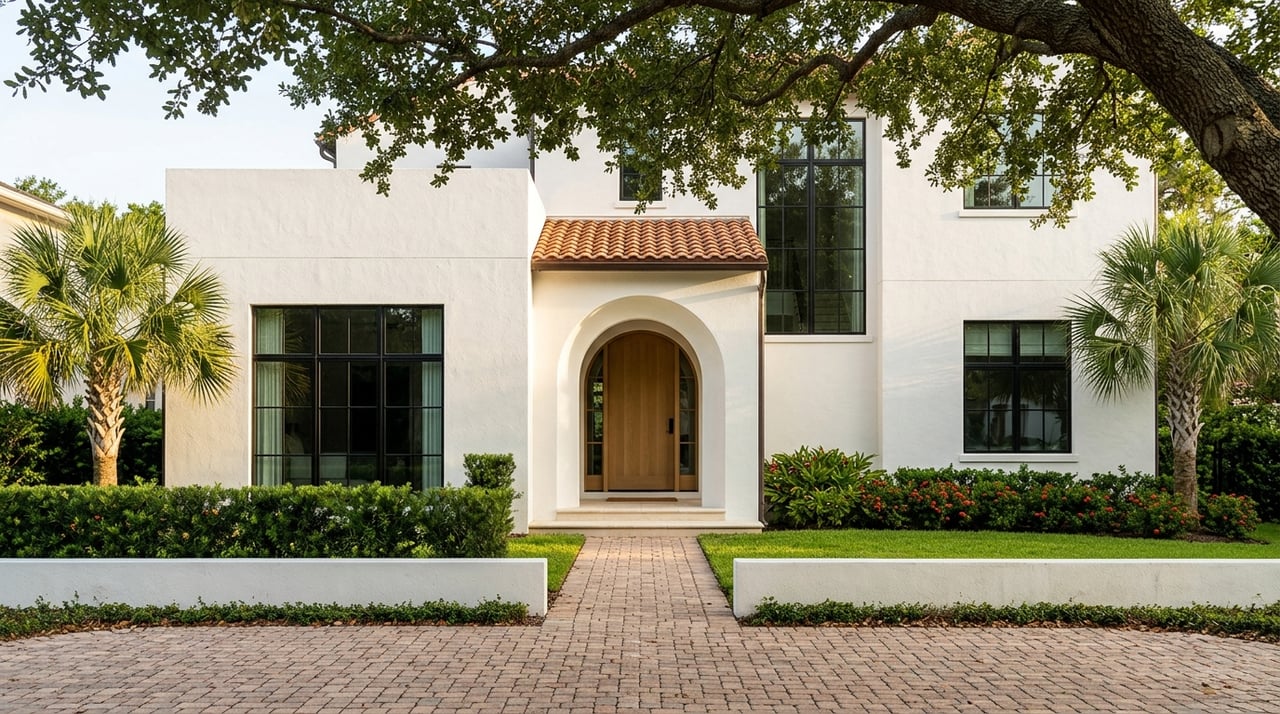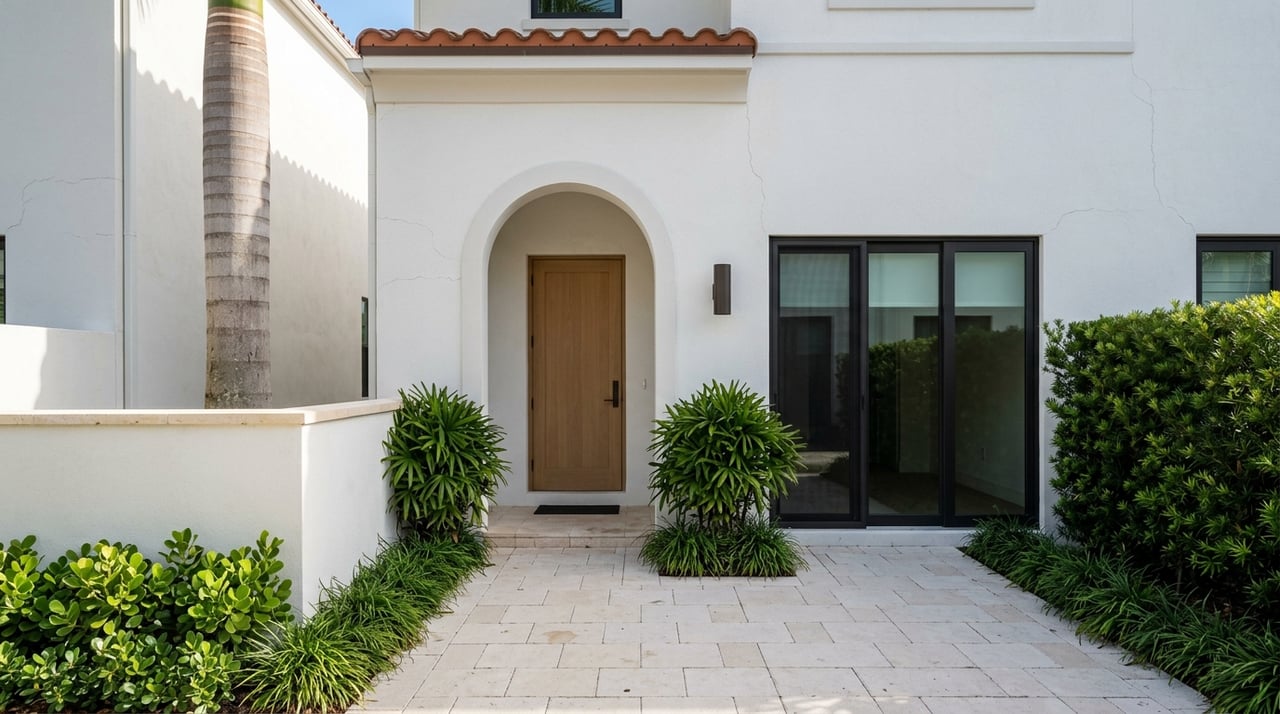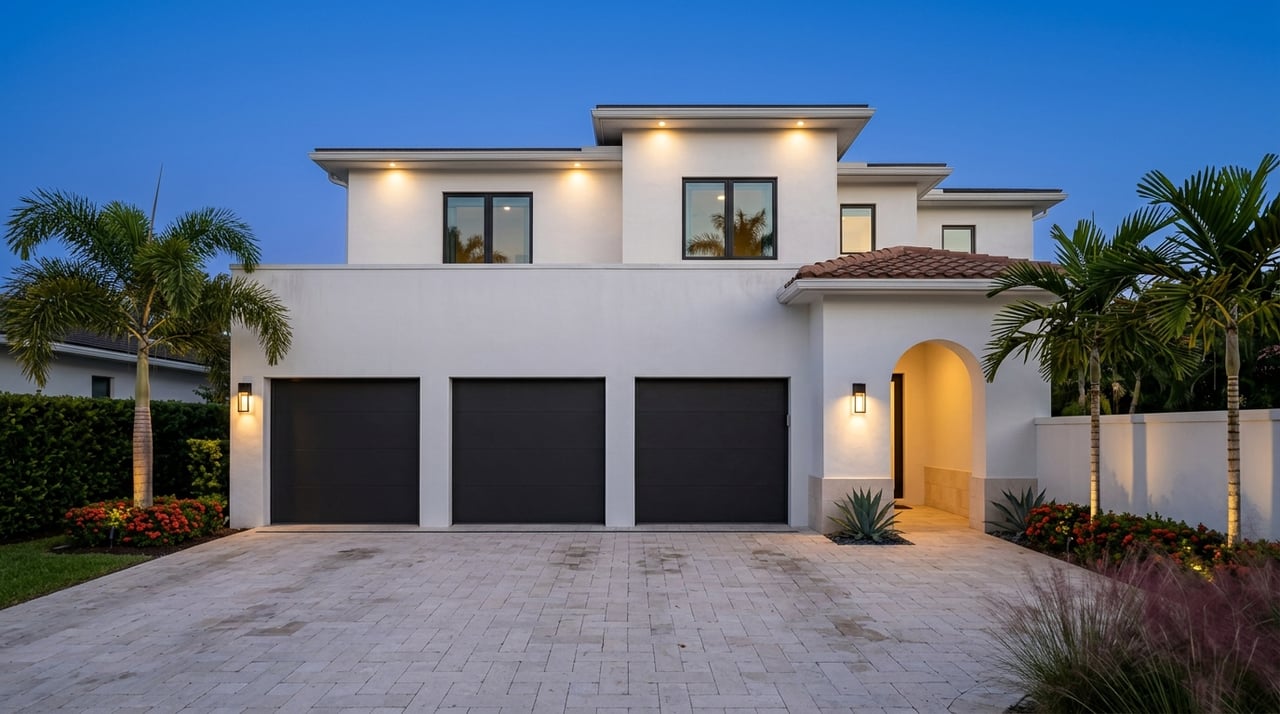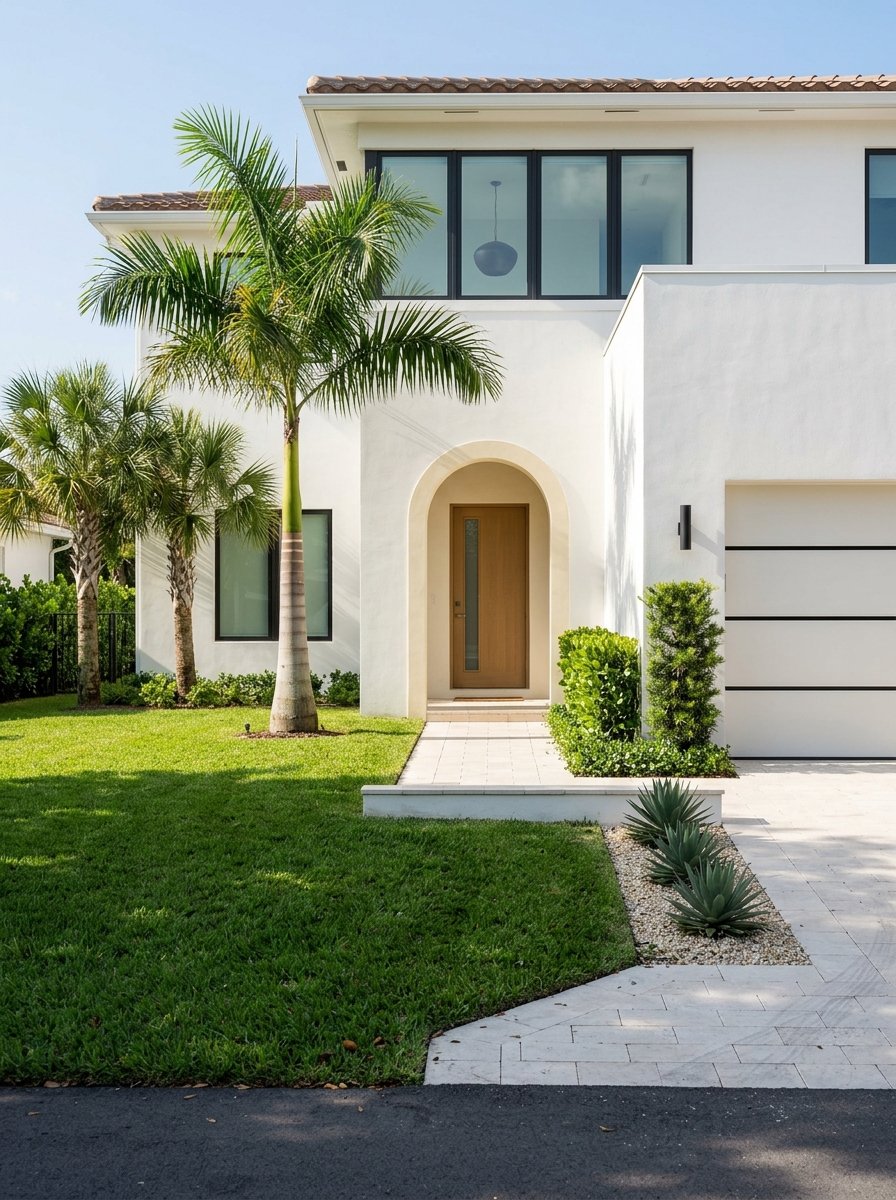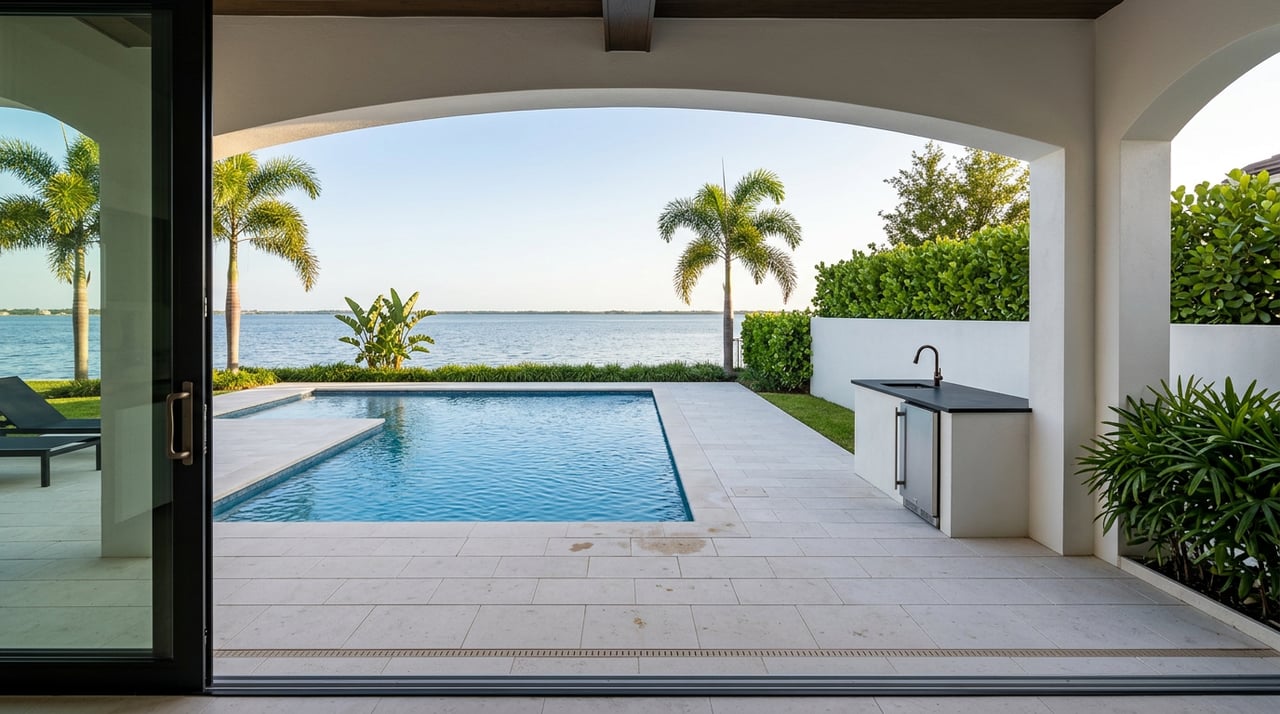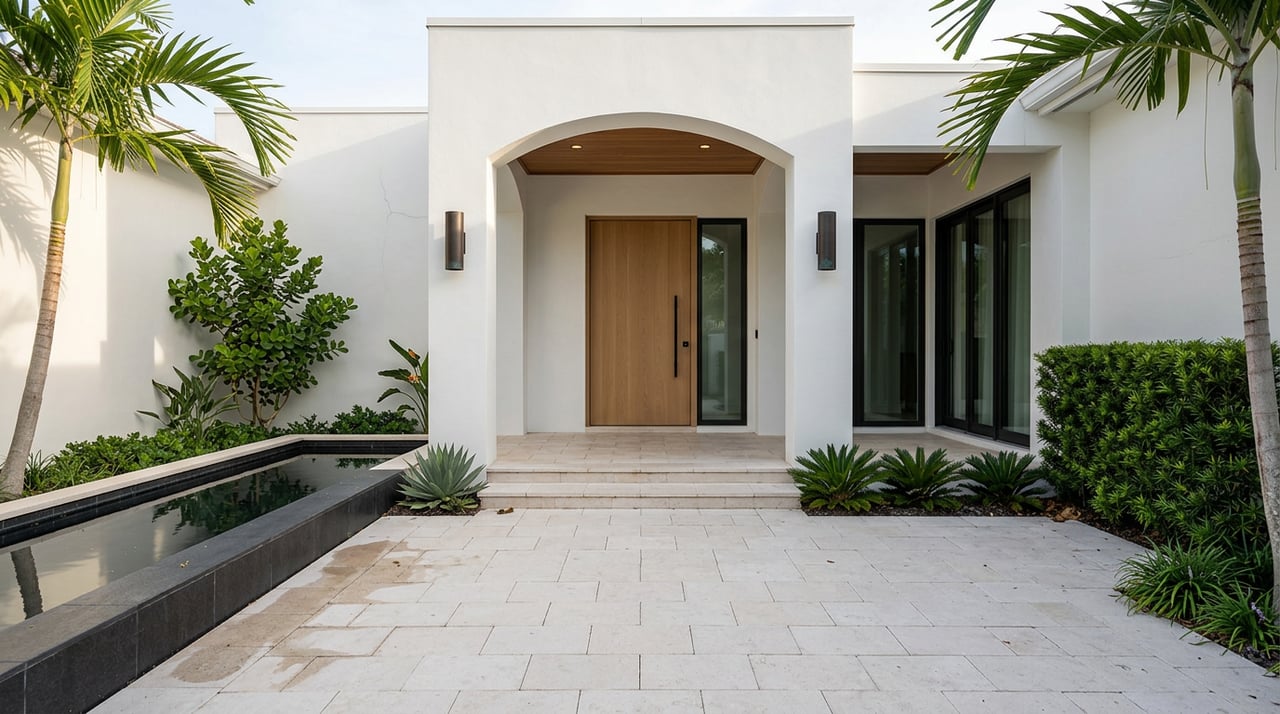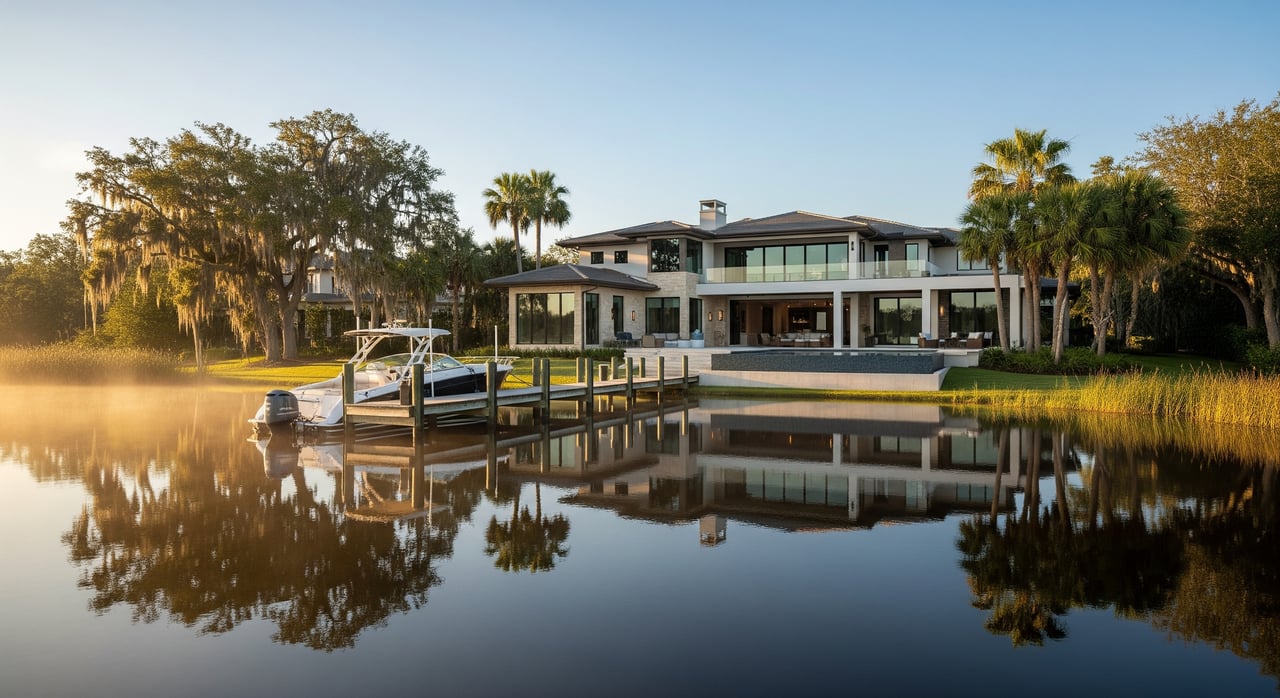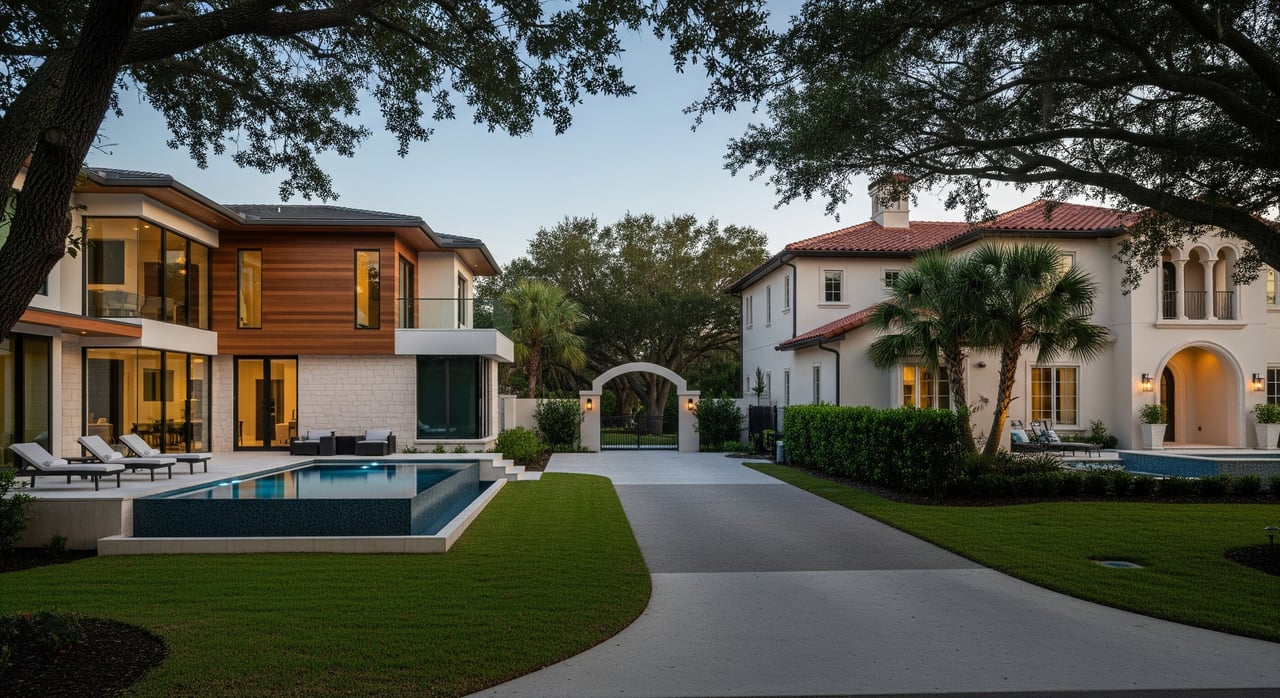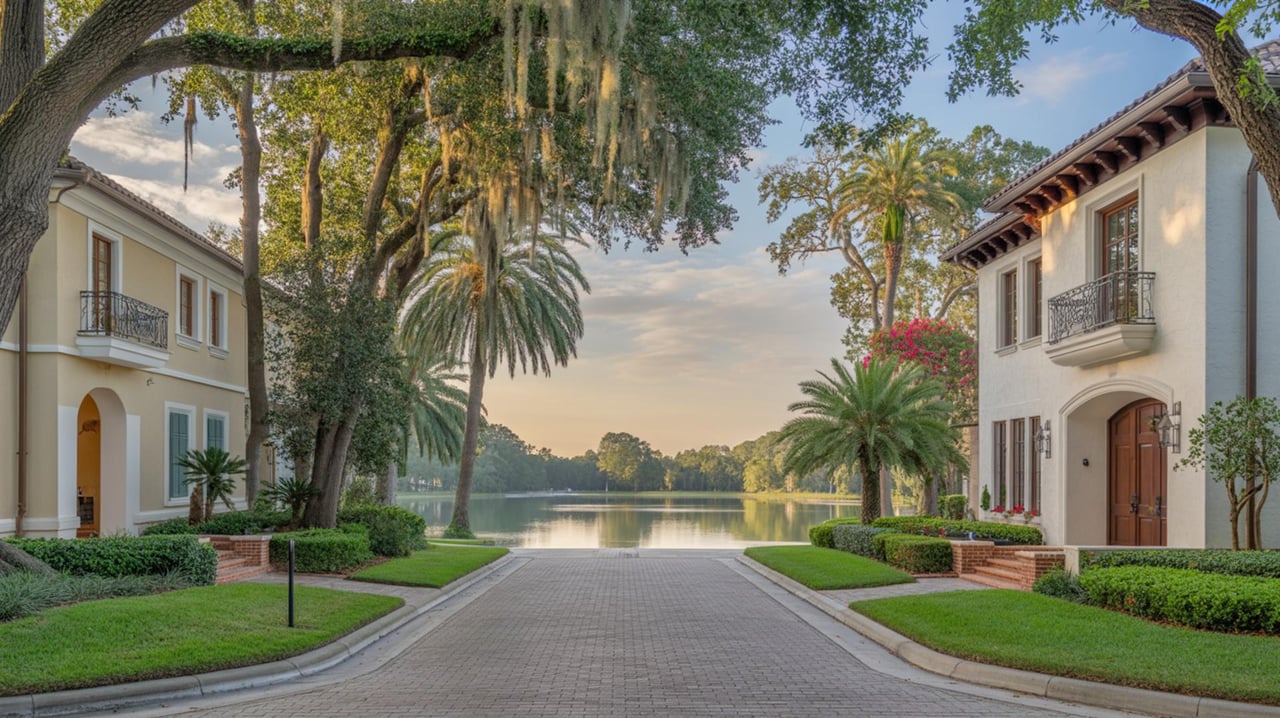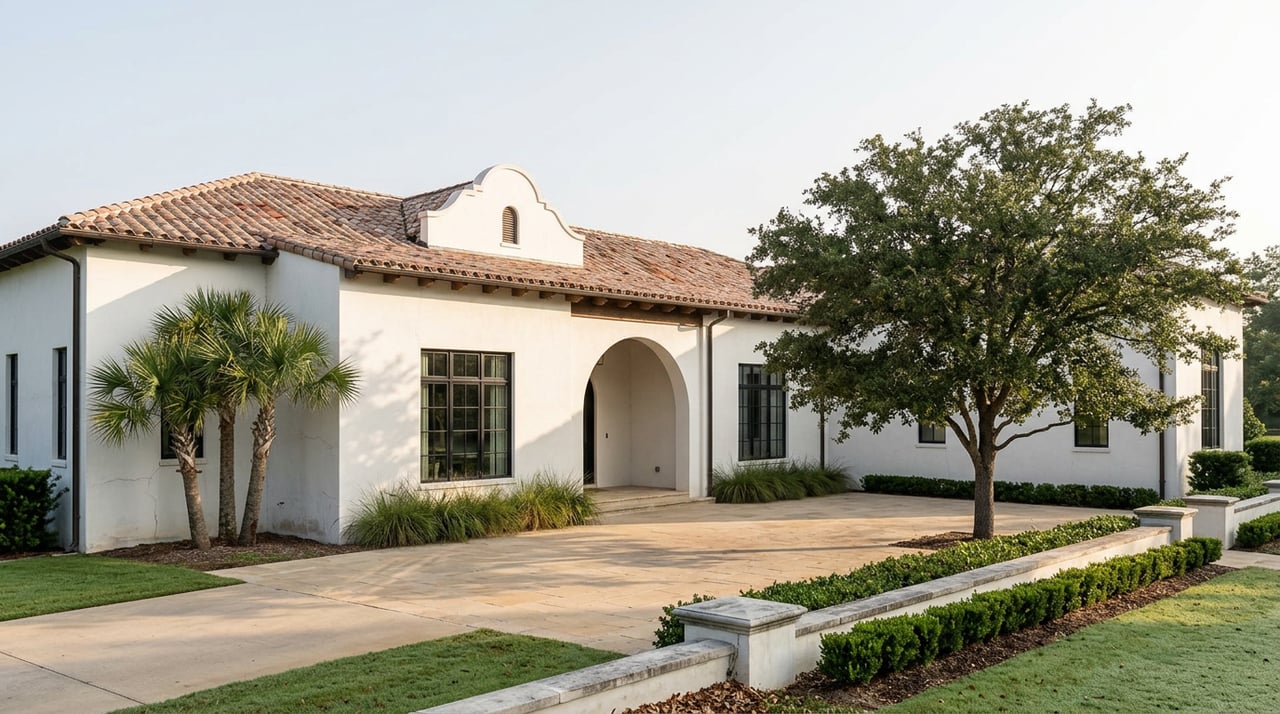
For months this year, a demolition permit sat posted on the lawn at 1020 Palmer Avenue. The house behind it is Merrywood, a nearly 90-year-old Spanish-style estate on Lake Osceola designed by James Gamble Rogers II, the architect most responsible for the look of old Winter Park. Anyone driving past could reasonably assume a sign like that means the fight is already lost, or that the city has some formal claim on what happens next. Neither is quite true, and the gap between those two ideas is the thing every buyer or seller of an older Winter Park home should understand before they make a decision they can't undo.
ClickOrlando reported that Merrywood was never listed on Winter Park's Historic Register. That single fact is the whole story. The city's Historic Preservation Board has real authority over homes on that register, including control over facade changes, as Winter Park Voice has reported. But, as Winter Park Voice reported, Merrywood was listed in the Florida Master Site File, a state inventory that has nothing to do with the city's own designation process. That listing triggered an automatic 90-day delay before a demolition permit could be issued. The delay gives preservationists a window to find a buyer.
That distinction matters because it explains why a home this significant could still end up on a demolition track.
What "Protected" Actually Requires
Winter Park has recorded more than 700 historic structures, but that represents roughly 7 percent of the city's residential dwellings. News 13 reported that designation is voluntary: the city cannot force an owner to list a home on the register, no matter its architectural pedigree, and city leaders have said they are not considering changing that. So the honest answer to "is this old house protected" is almost always no, unless an owner specifically applied and a board specifically approved it.
For the Gilmer siblings who inherited Merrywood from their parents, who had owned the home since 1977, that voluntary system produced a familiar outcome. Winter Park Voice reported that Cathy Gilmer told the commission the family would not pursue a local historic designation, which would have given the city power to block demolition. The broker who marketed the estate later told the commission the house also carried real structural, mold, and water intrusion problems, on top of a compartmentalized floor plan that never took advantage of its own lake views, which limited serious offers to land value alone.
Designation does carry real upside for owners willing to take it on. Homes on the register can receive variances during renovation that wouldn't be available to a standard property, and owners are permitted to add accessory dwelling units that aren't otherwise allowed. Matt Morgan, the Winter Park attorney who eventually offered $12 million to buy and preserve Merrywood outright, lives in a home on the Historic Register himself. But the trade is real too: once designated, an owner cedes control over exterior changes to the Historic Preservation Board's certificate of review process.
That trade has teeth. A renovation at 965 Lakeview Drive was approved to grow the home to 7,200 square feet, but the contractor tore down far more than the board had authorized, leaving only a small portion of the first floor and the chimney standing. Winter Park Voice reported that the city settled for a $100,000 penalty and let the project proceed. But the ordinance has since been tightened. Under the current rule, an owner who demolishes more than approved can be required to rebuild the structure exactly as it was, authentic materials included, and forfeit any variances the board had granted for the project. Historic Preservation Board chairman John Skolfield put a number on what that would mean in the Lakeview Drive case: a $500,000 to $800,000 penalty if it happened today.
The Lot Split Nobody Is Entitled To
The other mechanism worth understanding is what happened after the demolition delay expired. Winter Park Voice reports that Winter Park generally prohibits splitting lakefront lots. Winter Park Voice reported that land use attorney Tara Tedrow, who put Merrywood's 3.67-acre parcel under contract, needed a special exception, in the form of a comprehensive plan amendment, just to divide it in two. According to Winter Park Voice, the process required a mandatory 45-to-60-day state review period and a second commission vote before it became final.
The commission's first vote, 3-2, approved the change over the objection of two commissioners, and it came with conditions attached: combined new construction on the two resulting lots could not exceed 30,000 square feet, and at least one new home had to be built in a style compatible with Gamble Rogers's aesthetic. Tedrow and the sellers agreed to hold off on demolition until a second, final vote following the mandatory state review.
"They mean a lot in Winter Park, but the public doesn't own it. It's privately owned."
Winter Park Voice reported Bill Segal, a Planning & Zoning board member, making that point when he backed the split. It's the tension underneath every one of these cases: character that residents value collectively sits on land that one family or one buyer controls entirely.
What This Means Before You Sign Anything
If you're evaluating an older Winter Park home, on your own behalf or for the character of the street it sits on, two separate questions deserve separate answers.
| Question to ask | Why it matters |
|---|---|
| Is the subject property on the Winter Park Register of Historic Places? | Only local register status gives the city real authority over demolition and facade changes. A Florida Master Site File listing only buys 90 days. |
| Are the notable older homes nearby actually protected, or just old? | A neighborhood's character can depend on houses with zero legal protection. What looks permanent on a drive-through can change with one closing. |
| If you're buying a renovation or teardown candidate, what does the certificate of review actually authorize? | Exceeding an approved scope can now trigger a forced rebuild to original specifications, erasing any variances that made the project pencil out. |
| If you're selling a legacy home, does registering it change your buyer pool? | It can attract preservation-minded buyers and unlock ADU or variance flexibility, but it also caps what a future owner can do without board approval. |
The city's Historic Preservation Board was tasked in late July with bringing the commission a set of proposed changes this month, including possible tax incentives for owners who keep historic structures standing rather than sell to a builder. Nothing has been adopted yet. For now, the calculus a buyer or seller faces today is the one Merrywood laid bare: designation is a choice, almost nobody makes it, and the market prices that reality in whether residents notice or not.
A Few Questions Worth Settling Early
Does a home need to be a certain age to qualify for the Winter Park Register? Generally, the City of Winter Park says a property must be at least 50 years old and demonstrate architectural, aesthetic, or historical value under criteria the Historic Preservation Board evaluates case by case.
If I buy a home on the register, can I still renovate it? Yes. The board reviews exterior changes and additions for compatibility with the existing structure, and it does not control interior renovations at all. The process adds a review step, not a prohibition.
Can the city force my neighbor to preserve their historic home? No. Designation is voluntary, and city leaders have said they are not pursuing a path that would change that, even as they consider new incentives to make voluntary designation more attractive.
Whether you're weighing a legacy lakefront property, a renovation candidate in one of Winter Park's older enclaves, or simply want to understand what's protected on the street you're considering, these distinctions change the math. The Hazera Team works these Winter Park transactions regularly and can walk through what a specific property's designation status, or lack of one, means for your purchase or sale. Request a private consultation to talk through the details before you make an offer.
This article is general information, not legal, tax or financial advice. Consult a qualified professional about your situation.